




Amid a growing industry focus on nutrition solutions that help women manage menopause symptoms, Nutrition Insight speaks with Sirio Europe to learn about the company’s key ingredients designed to support women through menopause stages.
Innova Market Insights data indicates that female consumers take vitamins or minerals to help their hormonal health. This has also been a push for the supplement market, with over 17% of launches globally for supplements with menopause claims from April 2021 to March 2026. The data reveals an increase in the demand for menopause supplements with beauty claims.
Maria Pavlidou, head of Brand, states that discussions around menopause have greatly shifted. “Once considered a largely taboo topic, menopause left many women to quietly endure a debilitating set of symptoms. But the gender health gap begins to close — women’s well-being has come to the forefront of nutraceutical development and conversations.”
“There is now a growing and vocal demand for solutions with proven efficacy that are natural or non-hormonal and that treat menopause as a health priority rather than an afterthought.”
There are over 30 symptoms associated with menopause, indicating that consumer needs are broad, she adds. Hot flashes and night sweats are the most common, while bone health, sleep disruption, energy, mood, and cognitive clarity are also priorities.
“What’s changing is the expectation that a single product can address more than one of these simultaneously and that the experience of taking that product shouldn’t feel like a clinical exercise,” says Pavlidou.
“Women in this life stage are increasingly health-literate and discerning — they are researching ingredients, reading labels, and pushing back on products that over-promise and under-deliver.”
Ingredients gaining traction
According to Pavlidou, growing evidence on soy isoflavones is revealing strong support for this natural ingredient in menopause relief.
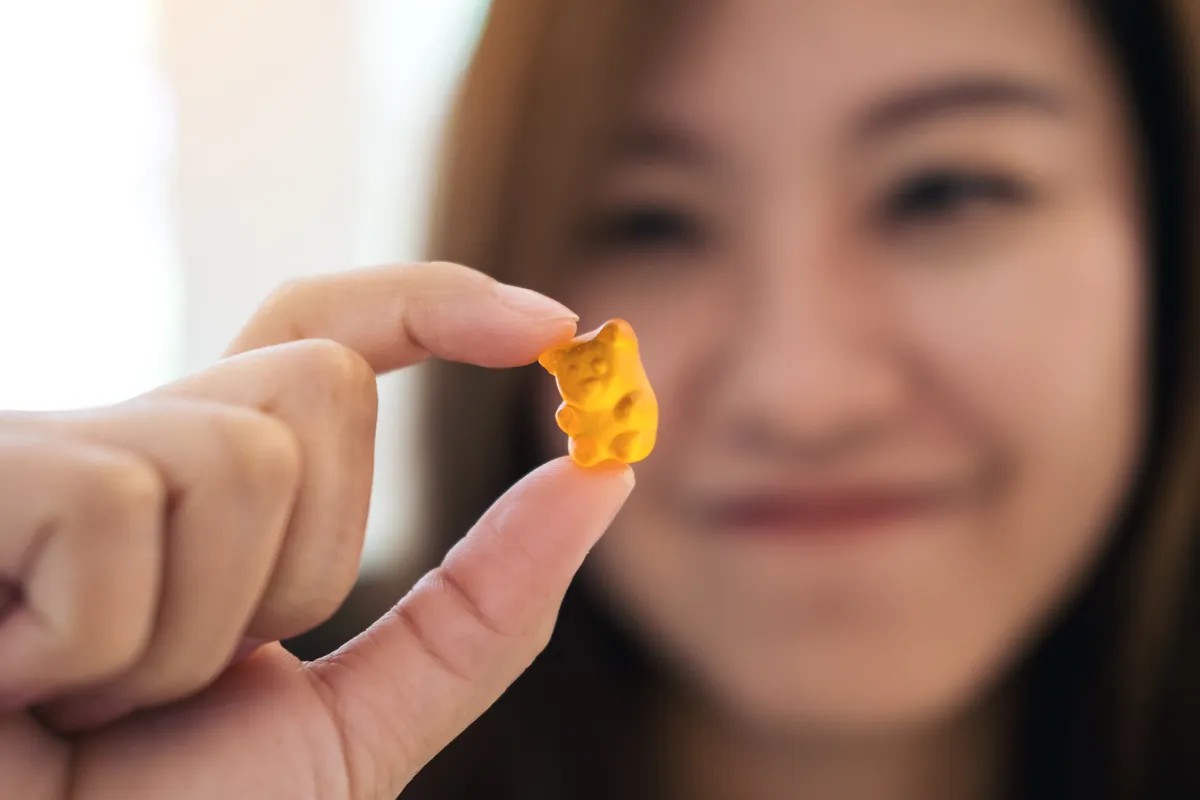
“Sirio’s MenoBalance gummy is built around Novasoy, ADM’s high-quality soy isoflavone ingredient, which existing research suggests may help reduce the frequency and severity of hot flashes, as well as support healthy bones postmenopause.”
“What makes MenoBalance notable beyond the science is the format: this is the first time Novasoy has ever been successfully delivered in a gummy, which matters because increasingly, format is where the battle for consumer loyalty is won or lost.”
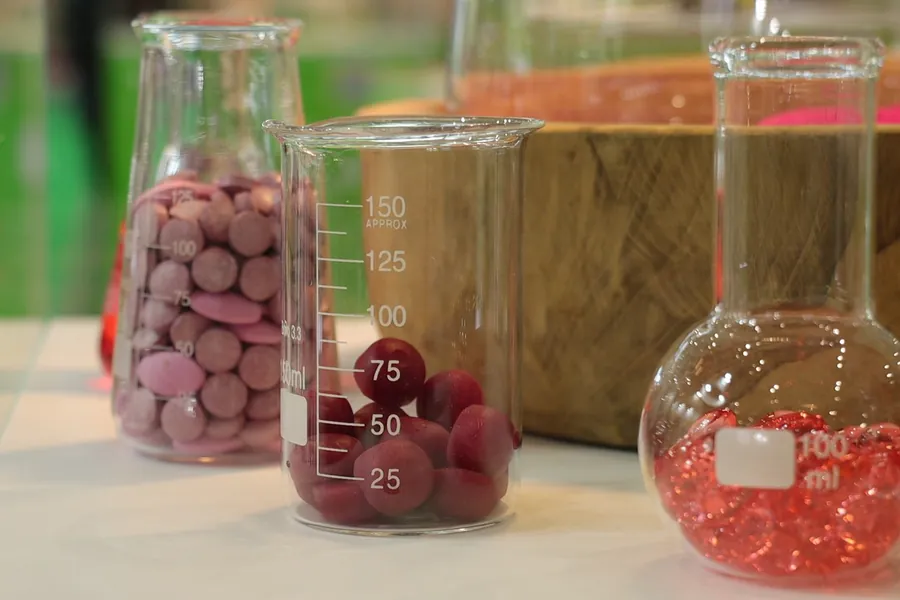 Better clinical evidence and smarter delivery formats are shaping menopause supplements.She also spotlights evening primrose oil (EPO) becoming more popular. Sirio has included this in its PureOrganix EPO, which is dubbed the first-to-market organic EPO that comes in softgels or gummies.
“Herbal and botanical approaches more broadly are gaining credibility as their evidence bases deepen, and consumers who might have been skeptical a decade ago are increasingly receptive to these natural solutions,” says Pavlidou.
Supplement transparency
Sirio works with ingredients selected for its women’s health platform based on validated evidence, not trends, states Pavlidou.
“That means partnering with suppliers like ADM, whose ingredients come backed by rigorous clinical and preclinical research — Novasoy is supported by over 50 preclinical and human clinical studies across ADM’s wider health and wellness portfolio.”
“Credibility in this category also requires honesty about what supplements can and cannot do. We believe in clear, substantiated communication rather than exaggerated claims — particularly in a space where women have historically been let down by products that failed to deliver.”
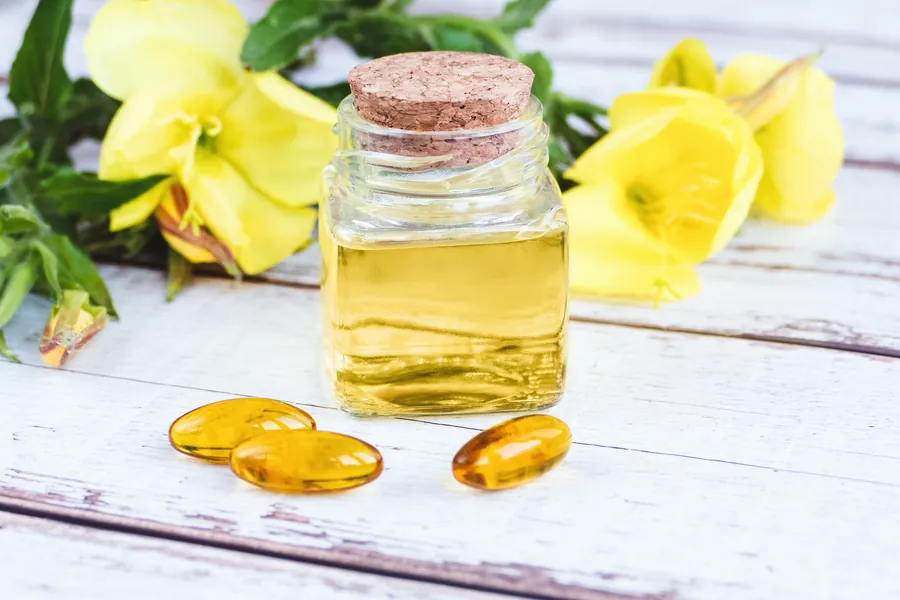 Sirio Europe is formulating menopause support around soy isoflavones and evening primrose oil.She adds that Sirio’s role as a contract development and manufacturing organization is to provide brand partners a strong technical foundation so that when their products hit the market, they can withstand scrutiny.
Toward mainstream nutrition solutions
Although research on menopause has progressed, Pavlidou underscores that the most significant gap remaining is the historic underrepresentation of women in clinical research, which is especially true for those in midlife.
“For too long, the majority of nutritional and pharmaceutical research has been conducted predominantly on male populations, with findings extrapolated to women. That is beginning to change, but slowly.”
“What the menopause supplement category needs is a larger body of rigorous, female-specific trials: longer durations, larger sample sizes, and research that accounts for the heterogeneity of the menopausal experience across different populations, ethnicities, and life circumstances.”
Additionally, she says that the question of bioavailability is essential to ensure that active ingredients in supplements are absorbed and used effectively.
“Delivery format plays a critical role here. An evidence-backed ingredient in a poorly designed format can underperform significantly, which is why we invest heavily in formulation science alongside ingredient selection.”
“Progress on both fronts — the clinical evidence base and the science of delivery — is what will eventually move this category from ‘wellness’ to genuinely trusted nutrition,” she concludes.