
For years, Shaxian Delicacies (沙县小吃) was known as the undisputed king of cheap, late-night street food in China. Now, the ubiquitous chain has been rebranded by Gen Z as the “laborer’s weight-loss cafeteria” (打工人减肥食堂), quietly exposing the overpriced wellness industry.

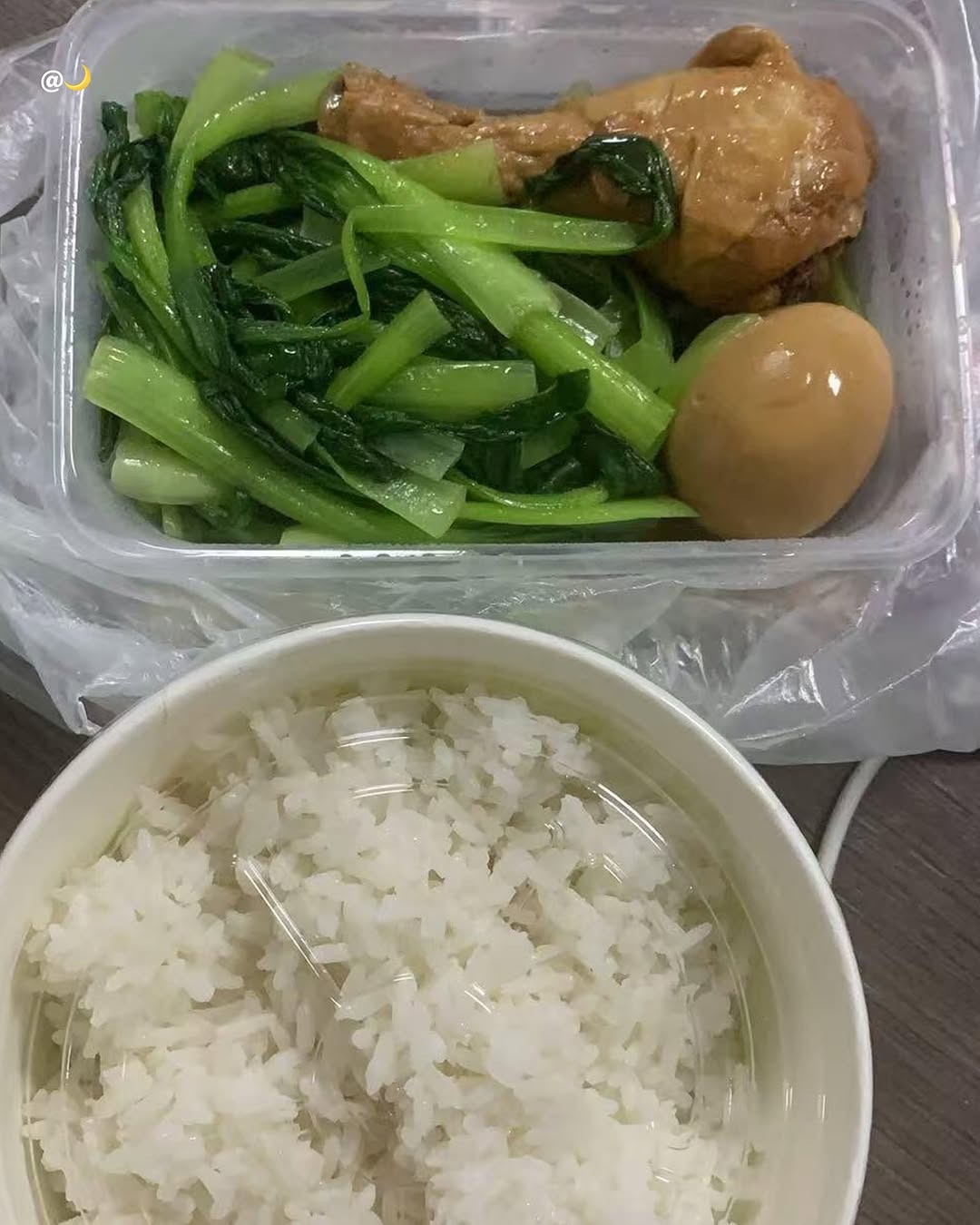
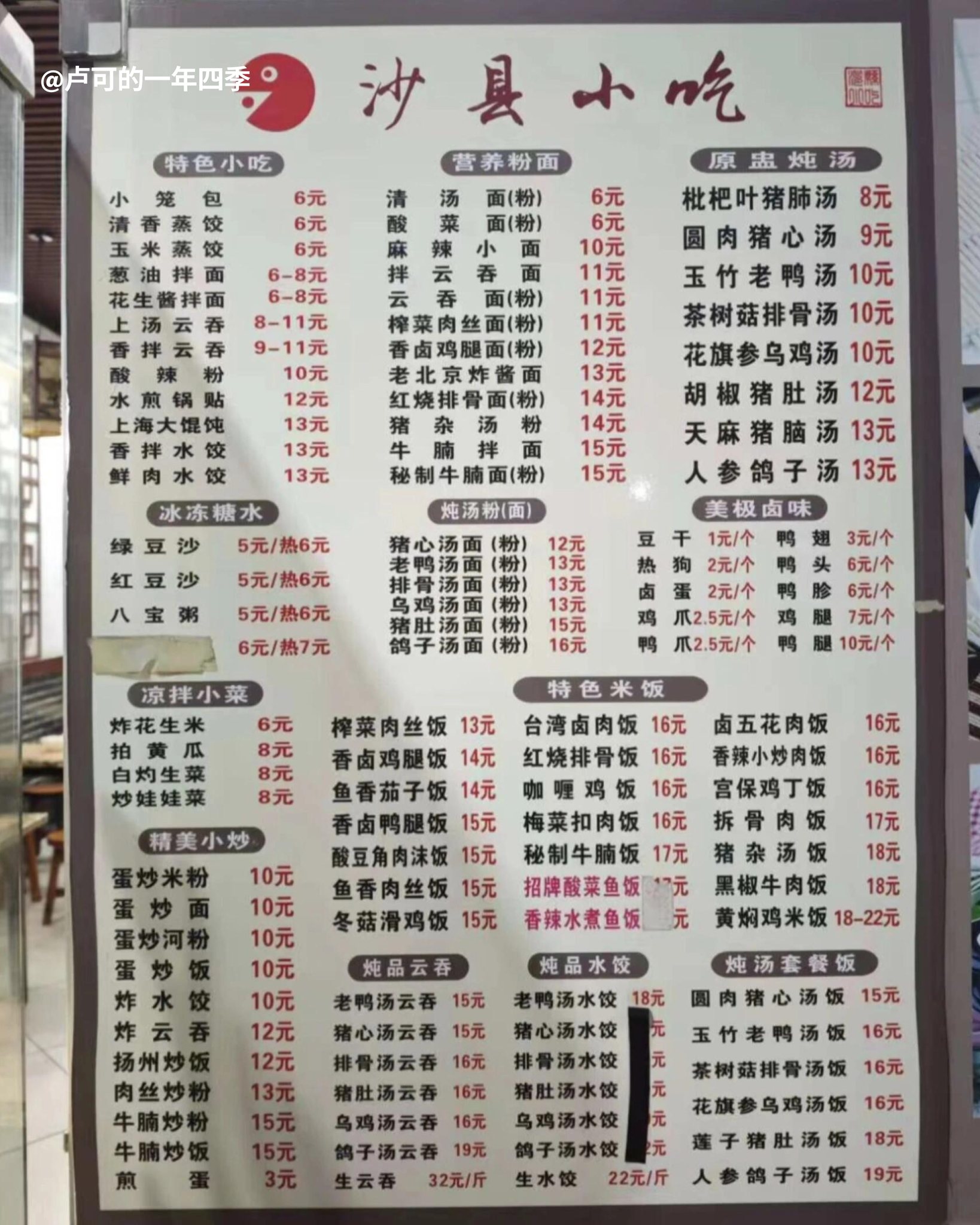
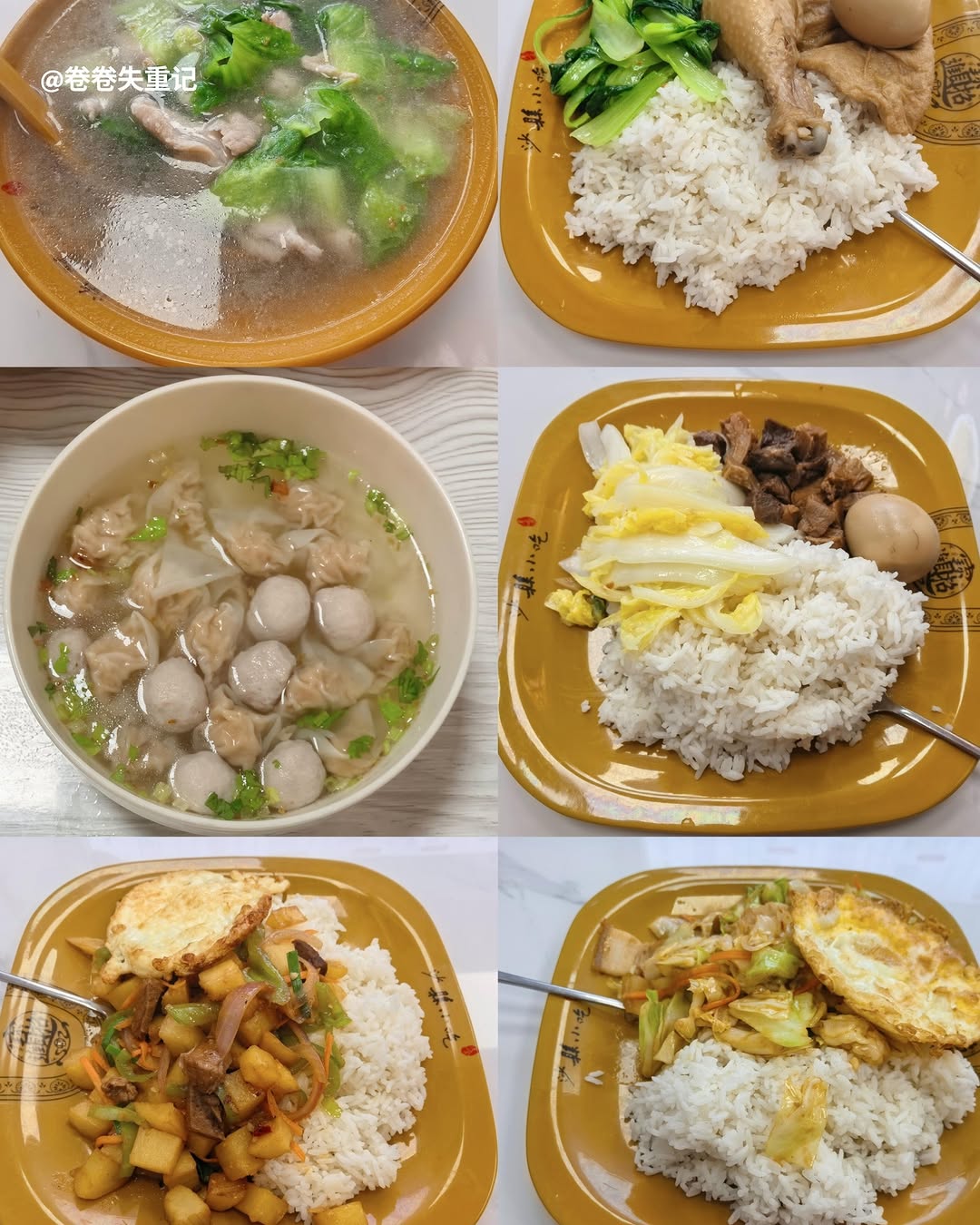
With that said, you can forget 18 USD kale, quinoa, and chia-seed bowls. Today’s fitness buffs are hitting Shaxian for a 12 RMB (approximately 1.70 USD) chicken leg set. The hack is simple: ask the staff to hold the chicken skin, reduce the oil, cut the rice, and add a boiled egg or dried tofu. The result is a high-protein, low-GI meal that perfectly hits your macros without breaking the bank. Some Shaxian shops have even caught on, actively marketing “low-fat” labels and AI-customized “high-protein” set menus. It exposes a massive wellness-consumerism con: eating clean doesn’t require spending big.
But this pivot toward accessible, “light burden” (轻负担) consumption isn’t limited to food—it’s taking over the beverage market, too. Enter Molly Tea (茉莉奶白). Founded in Shenzhen in 2020, Molly Tea (or, according to New Yorkers, “? Tea“) rapidly expanded by rejecting the ultra-sweet, heavy, topping-loaded formulas of traditional bubble tea. Instead, the brand focuses entirely on minimalist, floral-scented light milk teas. By emphasizing a clean, refreshing aesthetic without the bloated calories, Molly Tea is capturing the exact same demographic: young people seeking mindful consumption without pretentious price tags.

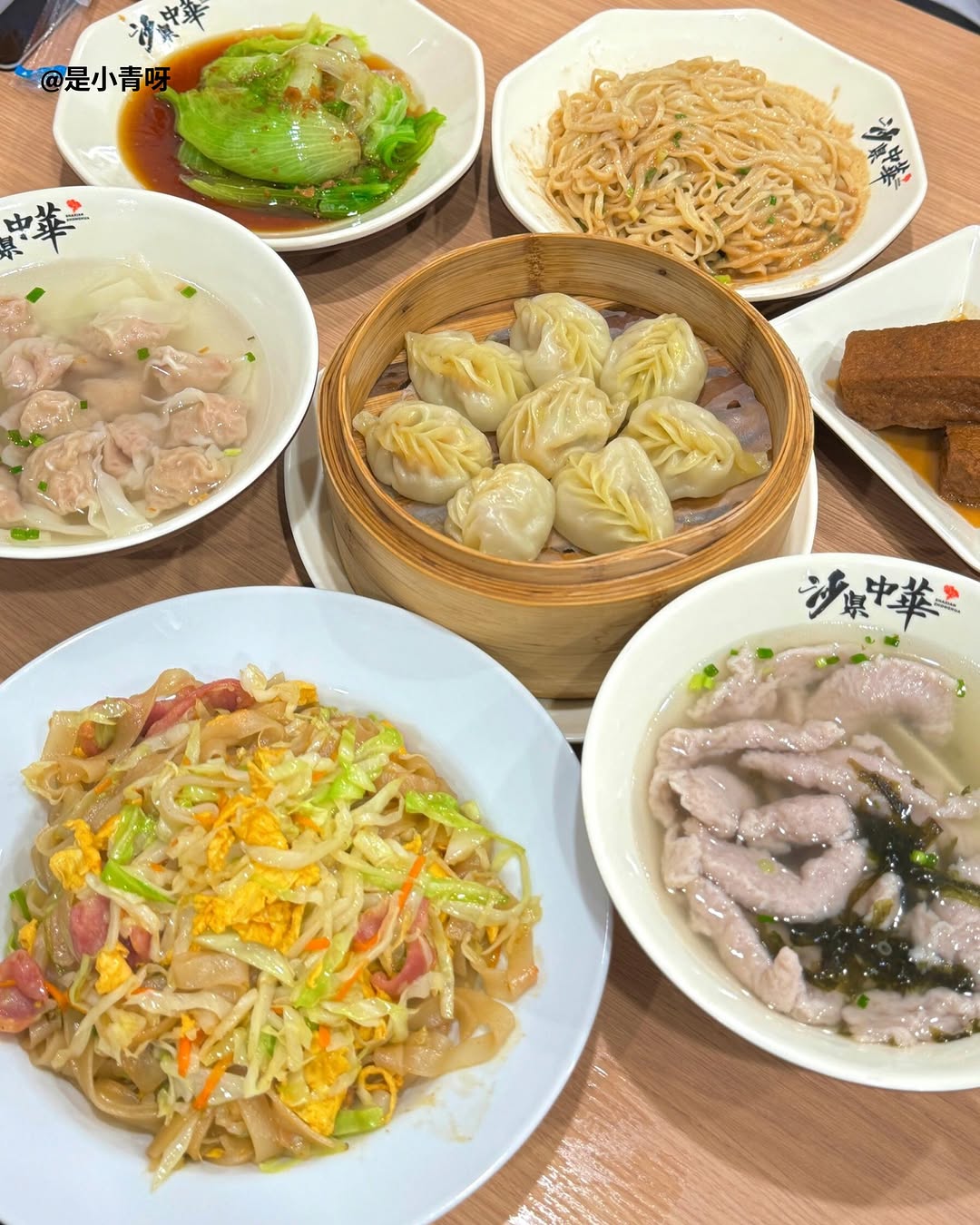
Whether it’s swapping a sugary frappuccino for a minimalist jasmine tea, or trading a bourgeois fitness bowl for a hacked Shaxian chicken plate, Gen Z’s message is clear. Health isn’t an exclusive lifestyle aesthetic to be bought. Rather, it’s about making smart choices, and it can very well be available right down the street.
All images via Xiaohongshu.