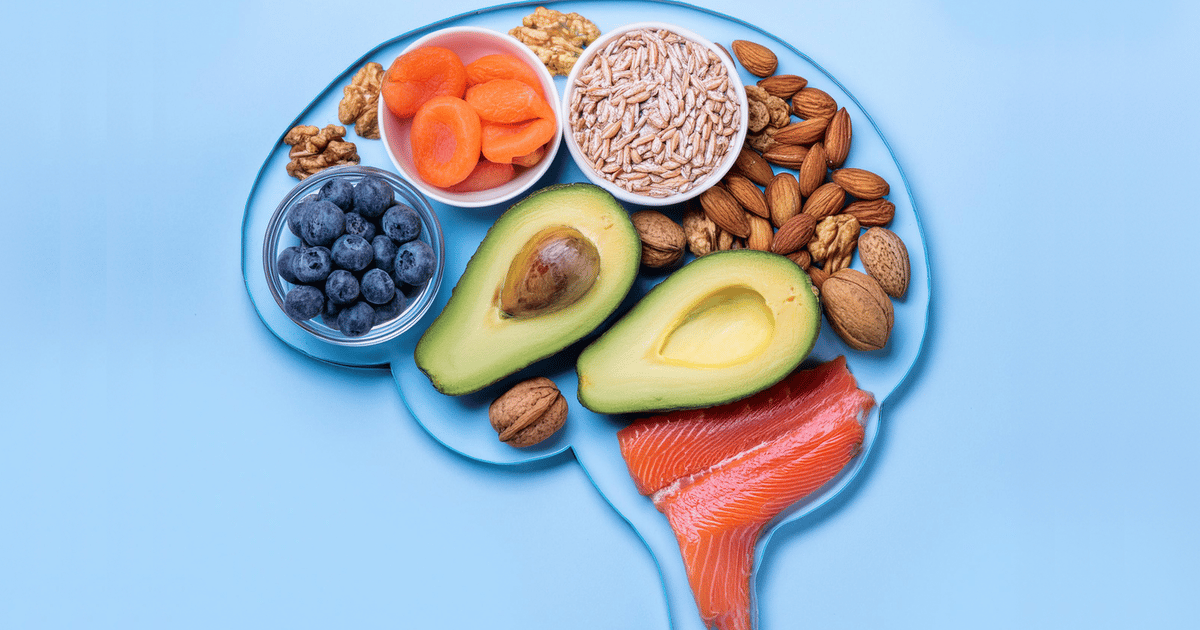
First came probiotics, which are living organisms. They ruled the CPG gut health market for decades. Then prebiotics landed—many of today’s better-for-you sodas, such as Poppi and Olipop, contain prebiotics, which effectively means fiber. Prebiotics serve as food for probiotics. Along the way the natural and organic industry fostered the emergence of postbiotics—what probiotics produce or leave behind after they’re done feasting on prebiotics.
At this point, I’m struggling with a case of bioticitis. So many biotics, so little time to understand and experiment with them. And now I keep encountering a new twist—psychobiotics. The message: Taking probiotics can serve as balm for brains.
That’s good—because my cranium could use some consolation. It hurts at the moment. The mental struggle to grasp the scope of biotics is real.
To help, I chatted with Christopher Lowry, professor of integrative physiology at the University of Colorado Boulder. He’s devoted the past 25 years to understanding how bacteria communicate with the brain. Prior to our conversation I wondered if the “gut-brain axis,” a term I routinely encounter extolling connections between gut and mental health, amounted to so much woo-woo. But by the time we finished talking I had been transformed into a convert.
“There is an absolute, unequivocal link,” Lowry told me, “in both directions.”
That is, a healthy gut can improve mental vitality. But brain vigor can also bolster gut health—stress, among other things, detracts from gut health. So when people beef up their gut resilience, they can boost mental and emotional fitness—which in turn further strengthens gut fortitude.
That’s one advantageous loop.
Ugandan mud led to today’s cutting edge gut-mind research
Lowry began his academic career studying a soil bacterium called Mycobacterium vaccae, first found in the 1970s in mud near Lake Kyoga in Uganda. Immunologists were investigating why leprosy vaccines worked better among people living around the lake, and found the bacterium played a role.
Researchers also noticed that the bacterium could regulate the immune system by helping to suppress inflammation. Studies testing the bacterium on lung cancer patients in the early 2000s also found that it improved the patients’ emotional health.
That’s what got Lowry going. He was a neuroscientist studying serotonin. When he heard about a bacterium influencing mental health, he considered the gut’s staggering microbe complexity and its potential impact on the brain.
“That’s one strain of bacterium that can do that,” he says. “And when you scale that up to trillions of microbes in the gut microbiome, you start to realize the potential impacts.”
Around the same time, one of his colleagues who worked at University College London came up with a term he called “Old Friends” as a way to describe mammals’ relationship with many beneficial microorganisms for about 200 million years, and how the dynamic led to bolstered health.
But then, in the modern era, humans effectively scrubbed away that legacy of healthy co-dependency. As people migrated inside and spent a lot of time cleaning themselves, they lost touch with these “old friends.”
Once Lowry dug into the bacterium, trying to understand how it affected mental processes, he found that it selectively activates serotonin neurons in the brain associated with antidepressant effects, and suppresses the kind of inflammation linked to anxiety and stress-related disorders.
This deep insight led Lowry and his colleague Lisa Brenner at the VA to test probiotic interventions in military veterans with PTSD and traumatic brain injury. The team just completed a large NIH-funded clinical trial, the first of its kind to examine probiotics in psychiatry, Lowry says. He anticipates publishing several papers based on the research this year.
Thanks to research by Lowry and other gut-mind-focused scholars the connection between the microbes navigating yesterday’s salad in your gut and your mental state is well-established.
Natural products industry launching gut-mind CPGs
The natural products industry has noticed. Innova Market Insights data shows that gut-brain health claims on supplement packaging rose 11% between 2020 and 2025. According to NBJ, gut health holds 6.2% market share of the supplements industry and is growing at a sturdy 6.5%.
At Natural Products Expo West this year, gut-brain products and presentations proliferated. Morinaga Nutritional Foods showcased a postbiotic strain with clinical studies showing support for mood. Novonesis introduced MindAble 1714, a gut-brain probiotic that the company says ratchets back cortisol after acute stress. Meanwhile, Pendulum Therapeutics, an entire brand built around a gut bacterium, launched nationwide at Sprouts Farmers Market in April.
Lowry urges caution when navigating supplements targeting the gut-brain axis. One of the most promising psychobiotic strains in animal research, Lactobacillus rhamnosus JB-1, failed when tested in a human trial.
“The challenge for all nutritional supplements in this space will be to provide adequately powered, placebo-controlled clinical trials that show benefits,” he says.
That admonition applies to some of Lowry’s own work. He’s the co-founder of Kioga, a biotech startup named after Lake Kyoga in Uganda, where M. vaccae was first discovered.
“This is an entirely new genus of bacteria that would be made available for humans as nutritional supplements or food,” Lowry says. The goal, he says, is simple: “Replace something that’s missing. Replace something we co-evolved with that we no longer benefit from.”
The company today is in a seed funding round; products are not yet available for sale.
Lowry believes the future holds science-backed, gut-health supplements that will directly enhance human mental health. For now, while companies work to better understand gut-mind connections, he recommends that people at least eat a lot of plants, spend solid time outdoors, expose themselves to soil and eat fermented foods.
“Even if we currently don’t understand how the gut-brain connection impacts mental health,” he says, “it is very clear that the gut-brain connection does impact mental health. So, be good to your gut microbiome—because it matters.”