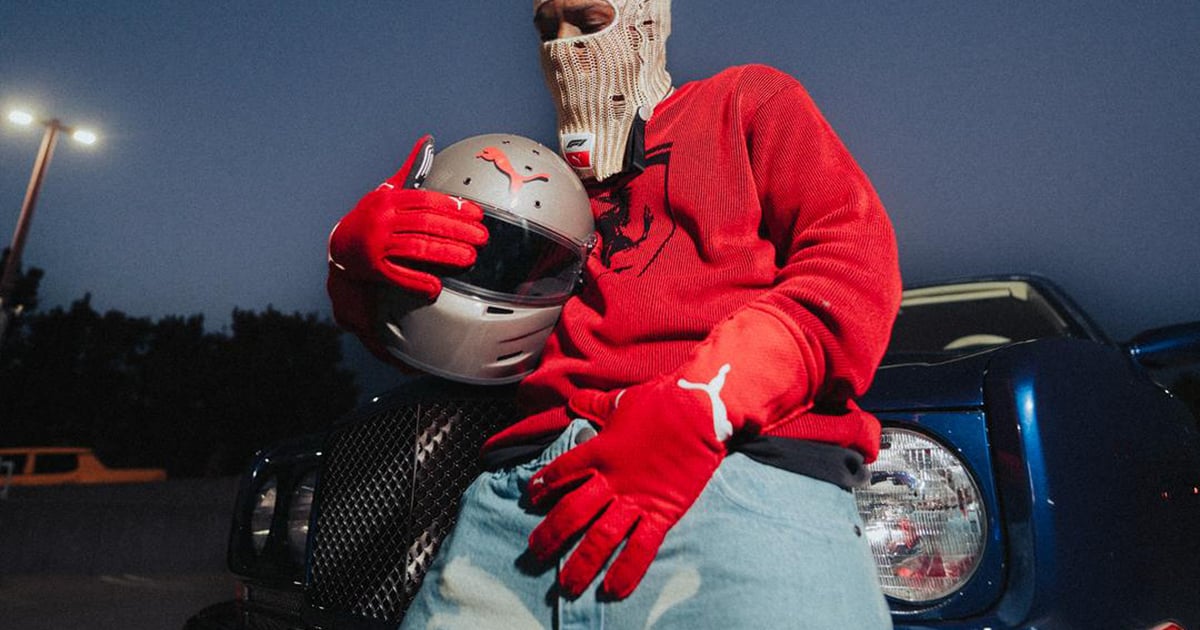
So, for the first time, I have been incredibly locked into the Formula 1 season, and following the weekend’s recent race at Silverstone, it got me thinking: When did Formula 1 become fashion’s fastest-growing runway?
Because, if we’re being honest, there was a time when Formula 1 drivers rarely featured in conversations about style. Off the track, their wardrobes were largely dictated by team sponsors and consisted of branded polos, technical jackets, and the occasional suit for official engagements. Of course, drivers such as James Hunt cultivated a rockstar image that transcended motorsport, but for the most part, fashion and Formula 1 existed in completely different worlds.
Today, you can walk through the paddock on any Grand Prix weekend, and it feels less like the entrance of a sporting event and more like something you’d find at Fashion Week. Photographers line the walkways waiting to capture the latest looks, luxury luggage rolls behind some of the world’s biggest athletes, and some of the most recognisable celebrities stroll around with their nearest and dearest.
‹›

The paddock has now become Formula 1’s answer to the NBA tunnel walk, where personal style has become another part of the spectacle. Is this due to Netflix’s release of ‘Drive to Survive’? Possibly, but it feels like a lazy answer to cite. Netflix undoubtedly introduced Formula 1 to millions of new fans who became invested in the personalities behind the wheel, but the sport’s relationship has been building for a minute.
And here’s the best example: in 2024, LVMH announced a landmark 10-year global partnership with Formula 1, reportedly worth close to $1 billion. The agreement brought several of the French luxury group’s biggest names into the championship, with Louis Vuitton designing bespoke trophy trunks, TAG Heuer returning as Formula 1’s official timekeeper and Moët Hennessy strengthening its presence across race weekends. It was F1’s biggest sign that luxury fashion wanted to be a part of the show.
However, before LVMH signed on the dotted line, Lewis Hamilton had already been laying the foundations. While much of the grid arrived wearing team apparel, Hamilton was experimenting with oversized tailoring, streetwear, jewellery, and emerging designers that many motorsport fans had never seen before. His outfits often divided opinion, but they reflected his personality.
Hamilton embraced fashion as another creative outlet. He has often spoken about clothing as a way to express himself beyond racing, using style to communicate interests and influences that couldn’t be conveyed solely by his time behind the wheel. That authenticity is ultimately what made the fashion world pay attention. Hamilton’s long-running relationship with Tommy Hilfiger became one of the sport’s defining partnerships, producing the “TommyXLewis” collections that debuted during New York Fashion Week.
‹›

Since then, his influence has only continued to grow. As a global ambassador and guest designer for Dior, Hamilton worked alongside Kim Jones to create collections inspired by travel, performance and the outdoors. He has become a regular fixture during Paris Fashion Week, attending shows from Dior, Louis Vuitton and other leading houses while consistently using his platform to champion emerging Black designers.
In 2025, Hamilton reached another milestone by becoming the first Formula 1 driver to co-chair the Met Gala. Wearing a custom Wales Bonner look for the “Superfine: Tailoring Black Style” exhibition. By that point, Hamilton had evolved into one of fashion’s most influential ambassadors.
It’s important to remember, though, it’s not just Lewis Hamilton putting that sh*t on right now. Enter Charles Leclerc, the Ferrari driver representing a different side of Formula 1’s growing style conversation.
Leclerc has built his image around understated elegance. His wardrobe is defined by clean tailoring, neutral tones and timeless silhouettes, favouring relaxed knitwear, sharp outerwear and perfectly cut suits over louder, trend-driven pieces. It’s an approach that feels effortless, making him one of the grid’s strongest advocates for quiet luxury.
That aesthetic naturally led to a partnership with Giorgio Armani, who appointed Leclerc as a global ambassador in 2020. Since then, he has fronted campaigns for the Italian house and regularly wears Armani at official appearances. More recently, Leclerc has also become increasingly involved with Ferrari’s own fashion ambitions, collaborating on lifestyle collections while continuing to expand his personal CL16 brand beyond motorsport.
‹›

Meanwhile, Mercedes driver George Russell has been occupying another lane entirely. He’s established himself as one of Formula 1’s sharpest dressers through classic British tailoring; double-breasted jackets, refined knitwear, structured overcoats and polished loafers have become staples of his wardrobe, creating a look that feels both contemporary and timeless. It’s an aesthetic that complements Mercedes’ premium image while reinforcing Russell’s growing appeal beyond the racetrack.
Like many of his contemporaries, Russell has become a regular at fashion events throughout the Formula 1 calendar, reflecting how today’s drivers are increasingly expected to move comfortably between luxury launches, runway shows and Grand Prix weekends.
Luxury fashion has become deeply embedded within the championship. LVMH’s investment has elevated race weekends into global lifestyle events where fashion, music and sport comfortably coexist. Designers, editors, musicians and celebrities now populate the paddock alongside engineers and team principals, while brands once associated exclusively with the runway are now woven into the very fabric of the sport.
It’s also changed how drivers are viewed. A generation ago, commercial appeal was largely measured through race wins and championship points. Today, drivers appear on the covers of GQ and Vogue, attend Fashion Weeks between races and sign ambassador deals with some of the world’s biggest luxury houses.
Formula 1 will always be defined by speed, engineering and competition. Yet somewhere along the way, it also became one of fashion’s most influential runways. With luxury conglomerates investing billions into the championship and drivers shaping conversations far beyond motorsport, Formula 1 is now racing to the pinnacle of fashion.