
VITAMIN RUSH
VITAMIN RUSH
VITAMIN RUSH
  • IMMUNITY
  • NUTRITION
  • WELLNESS
  • FITNESS
  • BEAUTY
  • SUPPLEMENTS
Nutrition myth buster: Is it really wrong to use the ‘food as a reward’ card with your kids?
  • NUTRITION

Nutrition myth buster: Is it really wrong to use the ‘food as a reward’ card with your kids?

  • August 5, 2026

Jennifer BowdenJennifer Bowden

Nutrition writer·New Zealand Listener·

5 Aug, 2026 06:04 PM5 mins to read

‌

Subscribe to listenAccess to Herald Premium articles require a Premium subscription. Subscribe now to listen.Subscribe now

‌

SaveShare this article

Reminder, this is a Premium article and requires a subscription to read.

Copy LinkEmailFacebookTwitter/XLinkedInReddit

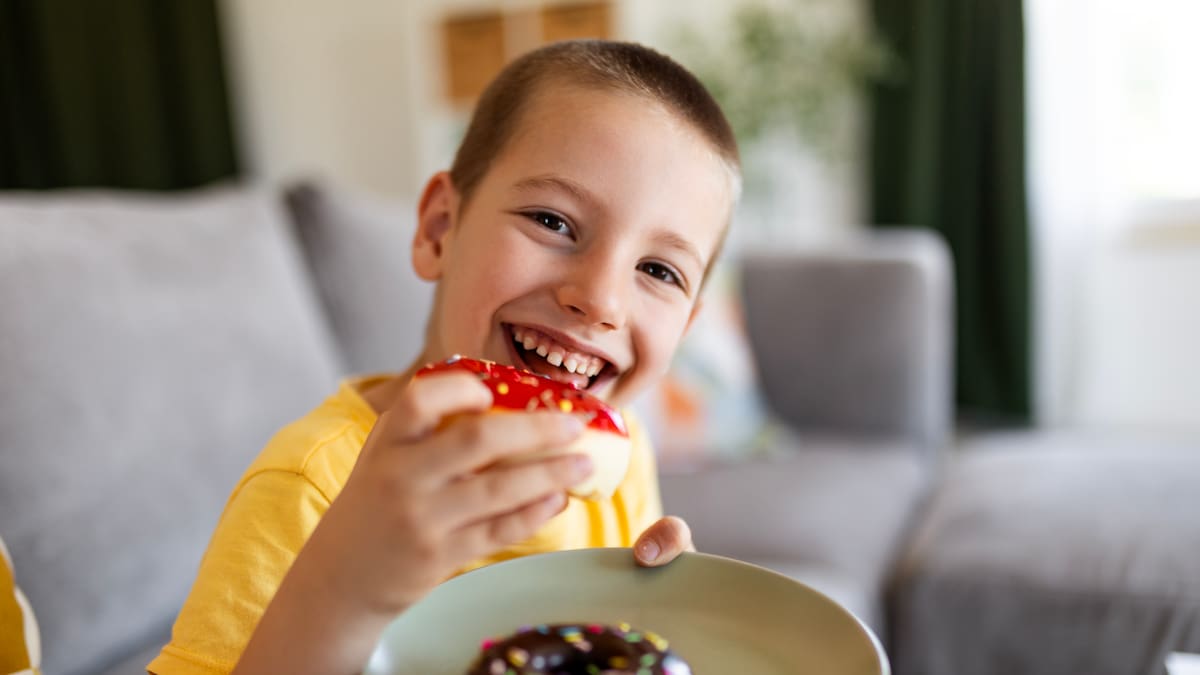
Cute little boy eating donuts at home. Photo / Getty Images

As well as Jennifer Bowden’s columns in the NZ Listener, listener.co.nz subscribers can access her fortnightly myth busters column which explore food and nutrition myths.

Most parents have heard the advice that they shouldn’t use dessert as a bargaining chip with their kids. But faced
with a preschooler who regards green vegetables as an unacceptable foreign object on their plate, offering a bowl of ice-cream may seem like the only diplomatic solution. If a few spoonfuls of chocolate pudding can bring a tense mealtime standoff to a peaceful conclusion, what’s the harm?

It’s not just vegetables. From toilet training toddlers to motivating teenagers to clear bedroom floors buried beneath clothes, cables and cups, food rewards remain an enduring parenting tool. Yet you’d be forgiven for thinking otherwise if you spent time online, where carefully curated lunchboxes and seemingly effortless vegetable consumption have become part of modern parenting’s aspirational image.

For parents already juggling work, school pickups and the logistics of everyday family life, the gap between the online ideal and reality can feel enormous. Faced with a picky eater at the dinner table, more than a few parents end up pulling out the “dessert as a reward” card. So is it really that bad to use food as an occasional reward? And why does the practice remain so stubbornly popular?

Studies have repeatedly shown that using sweet or energy-dense foods as rewards increases children’s preference for those foods. In a 2021 study a group of 214 first graders were divided into two groups; the first group received a food reward for completing a brain exercise, while the other “control” group didn’t receive a reward. Those children who received the food reward subsequently valued the food more highly than those in the control group. In other words, children begin to see desserts or other sweet foods as “prizes” and associate the eating of vegetables with a chore or onerous task that must be completed – leading to an unhealthy relationship with food.

Children who received food as bribes for behaviour or achieving things are also more likely to develop emotional eating patterns as they grow up. Indeed, researchers found toddlers whose parents used food as a reward were more likely to eat food for emotional reasons when aged five to seven years old. It also reinforces fussy eating behaviours in children.

The reality is parents today are exhausted. They spend more time in active parenting than previous generations, while facing more intensive parenting pressure, and experiencing the loss of a supportive “village” of extended family and community that traditionally shared in the parenting load.

Occasionally bribing your child to eat their vegetables with the offer of ice-cream might not seem that big a deal in the wider scheme of things, but the truth is we’ve reversed the priorities. Whether your child eats broccoli today matters far less than the relationship with food they’re building for tomorrow.

It’s time to step back and focus on the next positive step in your child’s relationship with food and eating. The division of responsibility (DoR) model developed by US registered dietitian, feeding expert and bestselling author Ellyn Satter is considered the gold standard for feeding children. The DoR encourages parents to take leadership with the what, when and where of feeding. In contrast, the child is allowed to determine how much to eat of the various foods you provide. Parents choose when food is offered and what is served; children choose what and how much they eat.

Support that process by creating a good routine of set snack and mealtimes and ensure these are sit-down occasions with food served on a plate and no distractions (such as television or phones) present. Do stay flexible and ensure you accommodate changes in appetite resulting from growth spurts or increased energy needs.

Remember you can also offer vegetables at snack time in a different format – carrot sticks with a tasty dip, or sweet cherry tomatoes with cheese and crackers. Try it out as an after-school snack when they are hungrier. Or blend grated or pureed vegetables into main dishes.

Getting children to eat their vegetables today isn’t the goal – the goal is to teach children life-long healthy eating habits. And that requires trust in yourself and your child, and remembering to play the long game.

Guidelines for Parents

Choose and prepare the food.

Provide regular meals and snacks.

Make eating times pleasant.

Step-by-step, show your child by example how to behave at family mealtime.

Be considerate of your child’s lack of food experience without catering to likes and dislikes.

Don’t let your child have food or beverages (except for water) between meal and snack times.

Let your child grow into the body that is right for them.

Trust your child to:

Eat the amount they need.Learn to eat the food you eat.Grow predictably in the way that is right for them. Learn to behave well at mealtime.

Source: Ellyn Satter Institute.

SaveShare this article

Reminder, this is a Premium article and requires a subscription to read.

Copy LinkEmailFacebookTwitter/XLinkedInReddit

Input your search keywords and press Enter.