Cooper, L. T. Myocarditis. N. Engl. J. Med. 360, 1526–1538 (2009).
Tsao, C. W. et al. Heart disease and stroke statistics-2022 update: a report from the American Heart Association. Circulation 145, e153–e639 (2022).
Fairweather, D. et al. COVID-19, myocarditis and pericarditis. Circ. Res. 132, 1302–1319 (2023).
Drazner, M. H. et al. 2024 ACC expert consensus decision pathway on strategies and criteria for the diagnosis and management of myocarditis: a report of the American College of Cardiology solution set oversight committee. J. Am. Coll. Cardiol. 85, 391–431 (2025).
Ammirati, E. & Moslehi, J. J. Diagnosis and treatment of acute myocarditis: a review. J. Am. Med. Assoc. 329, 1098–1113 (2023).
Dennert, R., Crijns, H. J. & Heymans, S. Acute viral myocarditis. Eur. Heart J. 29, 2073–2082 (2008).
Heymans, S., Van Linthout, S., Kraus, S. M., Cooper, L. T. & Ntusi, N. A. B. Clinical characteristics and mechanisms of acute myocarditis. Circ. Res. 135, 397–411 (2024).
Collaborators, G. B.oD. S. Global, regional, and national incidence, prevalence, and years lived with disability for 301 acute and chronic diseases and injuries in 188 countries, 1990–2013: a systematic analysis for the Global Burden of Disease Study 2013. Lancet 386, 743–800 (2015).
Klingel, K. et al. Global epidemiology of myocarditis: disparities in age, sex and geography. Nat. Rev. Cardiol. https://doi.org/10.1038/s41569-026-01276-w (2026).
Kong, Q. et al. Global, regional, and national burden of myocarditis in 204 countries and territories from 1990 to 2019: updated systematic analysis. JMIR Public Health Surveill. 10, e46635 (2024).
Di Florio, D. N. et al. Mitochondrial extracellular vesicles, autoimmunity and myocarditis. Front. Immunol. 15, 1374796 (2024).
Fairweather, D., Beetler, D. J., McCabe, E. J. & Lieberman, S. M. Mechanisms underlying sex differences in autoimmunity. J. Clin. Invest. 134, e180076 (2024).
Won, T., Song, E. J., Kalinoski, H. M., Moslehi, J. J. & Čiháková, D. Autoimmune myocarditis, old dogs and new tricks. Circ. Res. 134, 1767–1790 (2024).
Fung, G., Luo, H., Qiu, Y., Yang, D. & McManus, B. Myocarditis. Circ. Res. 118, 496–514 (2016).
Kindermann, I. et al. Update on myocarditis. J. Am. Coll. Cardiol. 59, 779–792 (2012).
Javadi, B. & Sahebkar, A. Natural products with anti-inflammatory and immunomodulatory activities against autoimmune myocarditis. Pharmacol. Res. 124, 34–42 (2017).
Weintraub, R. G., Semsarian, C. & Macdonald, P. Dilated cardiomyopathy. Lancet 390, 400–414 (2017).
Liu, P. P. & Mason, J. W. Advances in the understanding of myocarditis. Circulation 104, 1076–1082 (2001).
Esfandiarei, M. & McManus, B. M. Molecular biology and pathogenesis of viral myocarditis. Annu. Rev. Pathol. 3, 127–155 (2008).
Massilamany, C., Gangaplara, A. & Reddy, J. Intricacies of cardiac damage in coxsackievirus B3 infection: implications for therapy. Int. J. Cardiol. 177, 330–339 (2014).
Wilson, J. E. et al. COVID-19-associated neurological and psychological manifestations. Nat. Rev. Dis. Primers 11, 91 (2025).
Miller, C. M., Moen, J. K. & Iwasaki, A. The lingering shadow of epidemics: post-acute sequelae across history. Trends Immunol. 47, 9–18 (2026).
Medzhitov, R. & Janeway, C. Innate immunity. N. Engl. J. Med. 343, 338–344 (2000).
Wang, L., He, D., Satoh-Takayama, N., Zheng, C. & Xing, J. Regulation of antiviral and antimicrobial innate immunity and immune evasion. Cell. Mol. Life Sci. 82, 326 (2025).
Wang, C. & Luo, H. Crosstalk between innate immunity and autophagy in viral myocarditis leading to dilated cardiomyopathy. Rev. Med. Virol. 34, e2586 (2024).
Wang, J. et al. Loss of TRIM29 mitigates viral myocarditis by attenuating PERK-driven ER stress response in male mice. Nat. Commun. 15, 3481 (2024).
Xing, J. et al. Identification of poly(ADP-ribose) polymerase 9 (PARP9) as a noncanonical sensor for RNA virus in dendritic cells. Nat. Commun. 12, 2681 (2021).
Di Florio, D. N., Sin, J., Coronado, M. J., Atwal, P. S. & Fairweather, D. Sex differences in inflammation, redox biology, mitochondria and autoimmunity. Redox Biol. 31, 101482 (2020).
Fairweather, D. et al. Sex and gender differences in myocarditis and dilated cardiomyopathy: an update. Front. Cardiovasc. Med. 10, 1129348 (2023).
Tschöpe, C. et al. Myocarditis and inflammatory cardiomyopathy: current evidence and future directions. Nat. Rev. Cardiol. 18, 169–193 (2021).
Grodums, E. I. & Dempster, G. Myocarditis in experimental coxsackie B-3 infection. Can. J. Microbiol. 5, 605–615 (1959).
Woodruff, J. F. & Woodruff, J. J. Involvement of T lymphocytes in the pathogenesis of coxsackie virus B3 heart disease. J. Immunol. 113, 1726–1734 (1974).
Andréoletti, L., Lévêque, N., Boulagnon, C., Brasselet, C. & Fornes, P. Viral causes of human myocarditis. Arch. Cardiovasc. Dis. 102, 559–568 (2009).
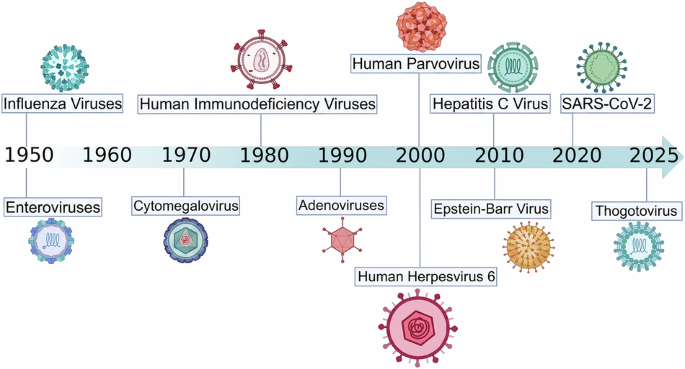
Sprague, H. B. & Mallory, T. B. Idiopathic acute myocarditis (?infuenzal myocarditis). N. Engl. J. Med. 234, 420–423 (1946).
Akhtar, N. et al. Tracheal aspirate as a substrate for polymerase chain reaction detection of viral genome in childhood pneumonia and myocarditis. Circulation 99, 2011–2018 (1999).
Komai, T., Nakazawa, G., Asai, S. & Ikari, Y. Fatal fulminant myocarditis associated with novel influenza A (H1N1) infection. Eur. Heart J. 32, 283 (2011).
Rezkalla, S. H. & Kloner, R. A. Viral myocarditis: 1917–2020: from the Influenza A to the COVID-19 pandemics. Trends Cardiovasc. Med. 31, 163–169 (2021).
Han, H. et al. Cardiomyocyte-based multimodal biosensing platform for dynamic functional assessment of bioinspired engineered respiratory virus-induced myocarditis. ACS Nano 19, 28502–28515 (2025).
Stewart, J. M. et al. Symptomatic cardiac dysfunction in children with human immunodeficiency virus infection. Am. Heart J. 117, 140–144 (1989).
Raj, V., Joshi, S. & Pennell, D. J. Images in cardiovascular medicine. Cardiac magnetic resonance of acute myocarditis in an human immunodeficiency virus patient presenting with acute chest pain syndrome. Circulation 121, 2777–2779 (2010).
Okabe, M., Fukuda, K., Arakawa, K. & Kikuchi, M. Chronic variant of myocarditis associated with hepatitis C virus infection. Circulation 96, 22–24 (1997).
Elkhattib, I., Raafat, K. W., Elsayed, B. & Elnaggar, M. Chronic hepatitis C and the risk for atherosclerotic and cardiomyopathic heart disease. World J. Hepatol. 17, 108678 (2025).
Murnane, T. G., Craighead, J. E., Mondragon, H. & Shelokov, A. Fatal disease of swine due to encephalomyocarditis virus. Science 131, 498–499 (1960).
Wada, H. et al. Tumor necrosis factor-alpha (TNF-alpha) plays a protective role in acute viralmyocarditis in mice: a study using mice lacking TNF-alpha. Circulation 103, 743–749 (2001).
Higuchi, H. et al. Mast cells play a critical role in the pathogenesis of viral myocarditis. Circulation 118, 363–372 (2008).
Bazzone, L. E. et al. ADAM9 promotes type I interferon-mediated innate immunity during encephalomyocarditis virus infection. Nat. Commun. 15, 4153 (2024).
Zähringer, J., Stangl, E., Aschauer, W. & Van der Walt, M. Virus myocarditis: molecular hybridization allows the detection of virus-RNA in heart muscle after virus infection. J. Mol. Cell. Cardiol. 17, 83–85 (1985).
Sherry, B. Pathogenesis of reovirus myocarditis. Curr. Top. Microbiol. Immunol. 233, 51–66 (1998).
Mantri, M. et al. Spatiotemporal transcriptomics reveals pathogenesis of viral myocarditis. Nat. Cardiovasc. Res. 1, 946–960 (2022).
Ebadi Fard Azar, M. et al. Long-term effects of reovirus strain T3D on the myocardium. Microbiol. Spectr. 14, e0210825 (2026).
Maller, H. M., Powars, D. F., Horowitz, R. E. & Portnoy, B. Fatal myocarditis associated with ECHO virus, type 22, infection in a child with apparent immunological deficiency. J. Pediatr. 71, 204–210 (1967).
Hughes, S. A., Thaker, H. M. & Racaniello, V. R. Transgenic mouse model for echovirus myocarditis and paralysis. Proc. Natl Acad. Sci. USA 100, 15906–15911 (2003).
Singanayagam, A. et al. Increased reports of severe myocarditis associated with enterovirus infection in neonates, United Kingdom, 27 June 2022 to 26 April 2023. Euro Surveill. 28, 2300313 (2023).
Menchise, A. Myocarditis in the setting of RSV bronchiolitis. Fetal Pediatr. Pathol. 30, 64–68 (2011).
Woodruff, R. C. et al. Acute cardiac events in hospitalized older adults with respiratory syncytial virus infection. JAMA Intern. Med. 184, 602–611 (2024).
Montiel, J. et al. The risk of cardiac disease events after respiratory syncytial virus disease: a systematic literature review and meta-analysis. Eur. Respir. Rev. 35, 250160 (2026).
Heni, N., Glogner, P. & Schmitz, H. Clinical and diagnostical aspects of acute cytomegalovirus infections in previously healthy adults (author’s transl)]. Klin. Wochenschr. 54, 1117–1124 (1976).
Schönian, U., Crombach, M. & Maisch, B. Does CMV infection play a role in myocarditis? New aspects from in-situ hybridization. Eur. Heart J. 12, 65–68 (1991).
Vo, H. M. & Sheppard, J. M. Cholecystitis and cardiomyopathy in an immunocompetent patient with cytomegalovirus infection: a case report. Cureus 16, e65418 (2024).
Martin, A. B. et al. Acute myocarditis. Rapid diagnosis by PCR in children. Circulation 90, 330–339 (1994).
Padget, R. L. et al. Acute adenoviral infection elicits an arrhythmogenic substrate prior to myocarditis. Circ. Res. 134, 892–912 (2024).
Orth, T. et al. Human parvovirus B19 infection associated with severe acute perimyocarditis in a 34-year-old man. Eur. Heart J. 18, 524–525 (1997).
Schowengerdt, K. O. et al. Association of parvovirus B19 genome in children with myocarditis and cardiac allograft rejection: diagnosis using the polymerase chain reaction. Circulation 96, 3549–3554 (1997).
Ammirati, E. et al. Clinical spectrum of children with parvovirus B19-associated acute myocarditis. Circulation 153, 699–715 (2026).
Fukae, S., Ashizawa, N., Morikawa, S. & Yano, K. A fatal case of fulminant myocarditis with human herpesvirus-6 infection. Intern. Med. 39, 632–636 (2000).
Hassan, K. et al. Contemporary study of acute myocarditis in South Africa: CAMISA. Open Heart. 12, e002845 (2025).
Takano, H. et al. Active myocarditis in a patient with chronic active Epstein-Barr virus infection. Int. J. Cardiol. 130, e11–e13 (2008).
Doyen, D., Moceri, P., Ducreux, D. & Dellamonica, J. Myocarditis in a patient with COVID-19: a cause of raised troponin and ECG changes. Lancet 395, 1516 (2020).
Ammirati, E. et al. Prevalence, characteristics, and outcomes of COVID-19-associated acute myocarditis. Circulation 145, 1123–1139 (2022).
Patone, M. et al. Risks of myocarditis, pericarditis, and cardiac arrhythmias associated with COVID-19 vaccination or SARS-CoV-2 infection. Nat. Med. 28, 410–422 (2022).
Ali, M. et al. COVID-19 and myocarditis: a review of literature. Egypt. Heart J. 74, 23 (2022).
Inciardi, R. M. et al. Cardiac involvement in a patient with Coronavirus disease 2019 (COVID-19). JAMA Cardiol. 5, 819–824 (2020).
Sala, S. et al. Acute myocarditis presenting as a reverse Tako-Tsubo syndrome in a patient with SARS-CoV-2 respiratory infection. Eur. Heart J. 41, 1861–1862 (2020).
Hendren, N. S., Drazner, M. H., Bozkurt, B. & Cooper, L. T. Description and proposed management of the acute COVID-19 cardiovascular syndrome. Circulation 141, 1903–1914 (2020).
Belhadjer, Z. et al. Acute heart failure in multisystem inflammatory syndrome in children in the context of global SARS-CoV-2 pandemic. Circulation 142, 429–436 (2020).
Osawa, S. et al. Fulminant viral myocarditis associated with thogotovirus. N. Engl. J. Med. 393, 924–926 (2025).
Palmer, J. A., Rosenthal, N., Teichmann, S. A. & Litvinukova, M. Revisiting cardiac biology in the era of single cell and spatial omics. Circ. Res. 134, 1681–1702 (2024).
Mann, D. L. The emerging field of cardioimmunology: past, present and foreseeable future. Circ. Res. 134, 1663–1680 (2024).
Liu, Z., Lv, Y., Zhao, N., Guan, G. & Wang, J. Protein kinase R-like ER kinase and its role in endoplasmic reticulum stress-decided cell fate. Cell Death Dis. 6, e1822 (2015).
Van Linthout, S., Matz, I., González, A. & Davis, J. Cardiac fibroblasts in myocardial injury and heart failure. Eur. Heart J. 47, 2271–2285 (2025).
Cadosch, N., Gil-Cruz, C., Perez-Shibayama, C. & Ludewig, B. Cardiac fibroblastic niches in homeostasis and inflammation. Circ. Res. 134, 1703–1717 (2024).
Lindner, D. et al. Cardiac fibroblasts aggravate viral myocarditis: cell specific coxsackievirus B3 replication. Mediators Inflamm. 2014, 519528 (2014).
Björkström, N. K., Strunz, B. & Ljunggren, H. G. Natural killer cells in antiviral immunity. Nat. Rev. Immunol. 22, 112–123 (2022).
Lee, M. J. & Blish, C. A. Defining the role of natural killer cells in COVID-19. Nat. Immunol. 24, 1628–1638 (2023).
Godeny, E. K. & Gauntt, C. J. Involvement of natural killer cells in coxsackievirus B3-induced murine myocarditis. J. Immunol. 137, 1695–1702 (1986).
Dou, Y. et al. Identification of the E3 ligase TRIM29 as a critical checkpoint regulator of NK cell functions. J. Immunol. 203, 873–880 (2019).
Godeny, E. K. & Gauntt, C. J. Murine natural killer cells limit coxsackievirus B3 replication. J. Immunol. 139, 913–918 (1987).
Koike, H. et al. Reduction of viral myocarditis in mice lacking perforin. Res. Commun. Mol. Pathol. Pharmacol. 110, 229–237 (2001).
Ong, S. et al. Natural killer cells limit cardiac inflammation and fibrosis by halting eosinophil infiltration. Am. J. Pathol. 185, 847–861 (2015).
Loebel, M. et al. The forkhead transcription factor Foxo3 negatively regulates natural killer cell function and viral clearance in myocarditis. Eur. Heart J. 39, 876–887 (2018).
Zhou, N., Yue, Y. & Xiong, S. Sex hormone contributes to sexually dimorphic susceptibility in CVB3-induced viral myocarditis via modulating IFN-γ. Can. J. Cardiol. 34, 492–501 (2018).
Banchereau, J. et al. Immunobiology of dendritic cells. Annu. Rev. Immunol. 18, 767–811 (2000).
Xing, J., Zhang, A., Minze, L. J., Li, X. C. & Zhang, Z. TRIM29 negatively regulates the type I IFN production in response to RNA virus. J. Immunol. 201, 183–192 (2018).
Xing, J. et al. TRIM29 promotes DNA virus infections by inhibiting innate immune response. Nat. Commun. 8, 945 (2017).
Nguyen, P., Jacobs, B., Mohanram, A., Hammons, C. & Xing, J. Tug of war: innate immunity and herpes simplex keratitis. Front. Immunol. 16, 1658579 (2025).
Nutt, S. L. & Chopin, M. Transcriptional networks driving dendritic cell differentiation and function. Immunity 52, 942–956 (2020).
Feng, J. et al. Clonal lineage tracing reveals shared origin of conventional and plasmacytoid dendritic cells. Immunity 55, 405–422 (2022).
Clemente-Casares, X. et al. A CD103+ conventional dendritic cell surveillance system prevents development of overt heart failure during subclinical viral myocarditis. Immunity 47, 974–989 (2017).
Van der Borght, K. et al. Myocarditis elicits dendritic cell and monocyte infiltration in the heart and self-antigen presentation by conventional type 2 dendritic cells. Front. Immunol. 9, 2714 (2018).
Adams, N. M., Das, A., Yun, T. J. & Reizis, B. Ontogeny and function of plasmacytoid dendritic cells. Annu. Rev. Immunol. 42, 347–373 (2024).
Ziegler-Heitbrock, L., Ohteki, T., Ginhoux, F., Shortman, K. & Spits, H. Reclassifying plasmacytoid dendritic cells as innate lymphocytes. Nat. Rev. Immunol. 23, 1–2 (2023).
Pistulli, R. et al. Characterization of dendritic cells in human and experimental myocarditis. ESC Heart Fail. 7, 2305–2317 (2020).
Hua, X. et al. Single-cell RNA sequencing to dissect the immunological network of autoimmune myocarditis. Circulation 142, 384–400 (2020).
Xuan, Y., Chen, C., Wen, Z. & Wang, D. W. The roles of cardiac fibroblasts and endothelial cells in myocarditis. Front. Cardiovasc. Med. 9, 882027 (2022).
Sun, K., Li, Y. Y. & Jin, J. A double-edged sword of immuno-microenvironment in cardiac homeostasis and injury repair. Signal Transduct. Target. Ther. 6, 79 (2021).
Zaman, R. & Epelman, S. Resident cardiac macrophages: heterogeneity and function in health and disease. Immunity 55, 1549–1563 (2022).
Zhang, E. et al. Mechanisms involved in controlling RNA virus-induced intestinal inflammation. Cell. Mol. Life Sci. 79, 313 (2022).
Xing, J. et al. Identification of a role for TRIM29 in the control of innate immunity in the respiratory tract. Nat. Immunol. 17, 1373–1380 (2016).
Li, K. et al. Differential macrophage polarization in male and female BALB/c mice infected with coxsackievirus B3 defines susceptibility to viral myocarditis. Circ. Res. 105, 353–364 (2009).
Sansonetti, M., Waleczek, F. J. G., Jung, M., Thum, T. & Perbellini, F. Resident cardiac macrophages: crucial modulators of cardiac (patho)physiology. Basic Res. Cardiol. 115, 77 (2020).
Bajpai, G. et al. Tissue resident CCR2- and CCR2+ cardiac macrophages differentially orchestrate monocyte recruitment and fate specification following myocardial injury. Circ. Res. 124, 263–278 (2019).
Feng, G. et al. CCL17 protects against viral myocarditis by suppressing the recruitment of regulatory T cells. J. Am. Heart Assoc. 12, e028442 (2023).
Li, H. et al. Spatiotemporal transcriptomics elucidates the pathogenesis of fulminant viral myocarditis. Signal Transduct. Target. Ther. 10, 59 (2025).
Tran, D. T., Batchu, S. N. & Advani, A. Interferons and interferon-related pathways in heart disease. Front. Cardiovasc. Med. 11, 1357343 (2024).
Deonarain, R., Cerullo, D., Fuse, K., Liu, P. P. & Fish, E. N. Protective role for interferon-beta in coxsackievirus B3 infection. Circulation 110, 3540–3543 (2004).
Fang, M. et al. TRIM18 is a critical regulator of viral myocarditis and organ inflammation. J. Biomed. Sci. 29, 55 (2022).
Lavine, K. J. et al. The macrophage in cardiac homeostasis and disease: JACC macrophage in CVD series (Part 4). J. Am. Coll. Cardiol. 72, 2213–2230 (2018).
Lafuse, W. P., Wozniak, D. J. & Rajaram, M. V. S. Role of cardiac macrophages on cardiac inflammation, fibrosis and tissue repair. Cells 10, 51 (2020).
Lasrado, N., Borcherding, N., Arumugam, R., Starr, T. K. & Reddy, J. Dissecting the cellular landscape and transcriptome network in viral myocarditis by single-cell RNA sequencing. iScience 25, 103865 (2022).
Vdovenko, D. & Eriksson, U. Regulatory role of CD4+ T cells in myocarditis. J. Immunol. Res. 2018, 4396351 (2018).
Wan, E. et al. Enhanced efferocytosis of apoptotic cardiomyocytes through myeloid-epithelial-reproductive tyrosine kinase links acute inflammation resolution to cardiac repair after infarction. Circ. Res. 113, 1004–1012 (2013).
DeBerge, M. et al. MerTK cleavage on resident cardiac macrophages compromises repair after myocardial ischemia reperfusion injury. Circ. Res. 121, 930–940 (2017).
Jung, M. et al. IL-10 improves cardiac remodeling after myocardial infarction by stimulating M2 macrophage polarization and fibroblast activation. Basic Res. Cardiol. 112, 33 (2017).
Yip, F., Lai, B. & Yang, D. Role of Coxsackievirus B3-induced immune responses in the transition from myocarditis to dilated cardiomyopathy and heart failure. Int. J. Mol. Sci. 24, 7717 (2023).
Frisancho-Kiss, S. et al. Gonadectomy of male BALB/c mice increases Tim-3(+) alternatively activated M2 macrophages, Tim-3(+) T cells, Th2 cells and Treg in the heart during acute coxsackievirus-induced myocarditis. Brain Behav. Immun. 23, 649–657 (2009).
Holt, M. et al. Dissecting and visualizing the functional diversity of cardiac macrophages. Circ. Res. 134, 1791–1807 (2024).
Yang, S., Penna, V. & Lavine, K. J. Functional diversity of cardiac macrophages in health and disease. Nat. Rev. Cardiol. 22, 431–442 (2025).
Aroca-Crevillén, A., Vicanolo, T., Ovadia, S. & Hidalgo, A. Neutrophils in physiology and pathology. Annu. Rev. Pathol. 19, 227–259 (2024).
Zhang, F. et al. Neutrophil diversity and function in health and disease. Signal Transduct. Target. Ther. 9, 343 (2024).
Denning, N. L., Aziz, M., Gurien, S. D. & Wang, P. DAMPs and NETs in Sepsis. Front. Immunol. 10, 2536 (2019).
Frantz, S. et al. The innate immune system in chronic cardiomyopathy: a European Society of Cardiology (ESC) scientific statement from the Working Group on Myocardial Function of the ESC. Eur. J. Heart Fail. 20, 445–459 (2018).
Mantovani, A., Cassatella, M. A., Costantini, C. & Jaillon, S. Neutrophils in the activation and regulation of innate and adaptive immunity. Nat. Rev. Immunol. 11, 519–531 (2011).
Carai, P. et al. Neutrophil inhibition improves acute inflammation in a murine model of viral myocarditis. Cardiovasc. Res. 118, 3331–3345 (2022).
Sørensen, O. E. & Borregaard, N. Neutrophil extracellular traps – the dark side of neutrophils. J. Clin. Invest. 126, 1612–1620 (2016).
Li, P. et al. PAD4 is essential for antibacterial innate immunity mediated by neutrophil extracellular traps. J. Exp. Med. 207, 1853–1862 (2010).
Kolaczkowska, E. et al. Molecular mechanisms of NET formation and degradation revealed by intravital imaging in the liver vasculature. Nat. Commun. 6, 6673 (2015).
Gálvez, N. M. S. et al. Type I natural killer T cells as key regulators of the immune response to infectious diseases. Clin. Microbiol. Rev. 34, e00232–20 (2021).
Mattarollo, S. R. et al. Transient Foxp3(+) regulatory T-cell depletion enhances therapeutic anticancer vaccination targeting the immune-stimulatory properties of NKT cells. Immunol. Cell Biol. 91, 105–114 (2013).
Marchant, D. J. & McManus, B. M. Regulating viral myocarditis: allografted regulatory T cells decrease immune infiltration and viral load. Circulation 121, 2609–2611 (2010).
Martinez, N. E. et al. Regulatory T cells and Th17 cells in viral infections: implications for multiple sclerosis and myocarditis. Future Virol. 7, 593–608 (2012).
Papageorgiou, A. P. et al. Thrombospondin-2 prevents cardiac injury and dysfunction in viral myocarditis through the activation of regulatory T-cells. Cardiovasc. Res. 94, 115–124 (2012).
Wang, X. et al. The frequency of invariant natural killer T cells correlates with the severity of myocarditis. Viral Immunol. 27, 88–95 (2014).
Plum, T., Feyerabend, T. B. & Rodewald, H. R. Beyond classical immunity: mast cells as signal converters between tissues and neurons. Immunity 57, 2723–2736 (2024).
Fairweather, D. et al. Mast cells and innate cytokines are associated with susceptibility to autoimmune heart disease following coxsackievirus B3 infection. Autoimmunity 37, 131–145 (2004).
Kitaura-Inenaga, K. et al. Gene expression of cardiac mast cell chymase and tryptase in a murine model of heart failure caused by viral myocarditis. Circ. J. 67, 881–884 (2003).
Pittet, M. J., Di Pilato, M., Garris, C. & Mempel, T. R. Dendritic cells as shepherds of T cell immunity in cancer. Immunity 56, 2218–2230 (2023).
Maisch, B. Cardio-immunology of myocarditis: focus on immune mechanisms and treatment options. Front. Cardiovasc. Med. 6, 48 (2019).
Stephenson, E., Savvatis, K., Mohiddin, S. A. & Marelli-Berg, F. M. T-cell immunity in myocardial inflammation: pathogenic role and therapeutic manipulation. Br. J. Pharmacol. 174, 3914–3925 (2017).
Lu, J. et al. α7nAChR on B cells directs T cell differentiation to prevent viral myocarditis. JCI Insight. 10, e189323 (2025).
Wang, J. et al. Revitalizing myocarditis treatment through gut microbiota modulation: unveiling a promising therapeutic avenue. Front. Cell. Infect. Microbiol. 13, 1191936 (2023).
Xue, Y. et al. Altered colonic microflora and its metabolic profile in mice with acute viral myocarditis induced by coxsackievirus B3. Virol. J. 21, 295 (2024).
Niu, C., Xu, W. & Xiong, S. Appendectomy mitigates coxsackievirus B3-induced viral myocarditis. Viruses 15, 1974 (2023).
Mann, D. L. The emerging role of innate immunity in the heart and vascular system: for whom the cell tolls. Circ. Res. 108, 1133–1145 (2011).
Yajima, T. Viral myocarditis: potential defense mechanisms within the cardiomyocyte against virus infection. Future Microbiol. 6, 551–566 (2011).
Lund, J. M. et al. Recognition of single-stranded RNA viruses by Toll-like receptor 7. Proc. Natl Acad. Sci. USA. 101, 5598–5603 (2004).
Kawai, T. & Akira, S. Toll-like receptors and their crosstalk with other innate receptors in infection and immunity. Immunity 34, 637–650 (2011).
Fuse, K. et al. Myeloid differentiation factor-88 plays a crucial role in the pathogenesis of coxsackievirus B3-induced myocarditis and influences type I interferon production. Circulation 112, 2276–2285 (2005).
Richer, M. J., Lavallée, D. J., Shanina, I. & Horwitz, M. S. Toll-like receptor 3 signaling on macrophages is required for survival following coxsackievirus B4 infection. PLoS ONE 4, e4127 (2009).
Riad, A. et al. TRIF is a critical survival factor in viral cardiomyopathy. J. Immunol. 186, 2561–2570 (2011).
Yang, Q. & Shu, H. B. Deciphering the pathways to antiviral innate immunity and inflammation. Adv. Immunol. 145, 1–36 (2020).
Kawai, T. & Akira, S. The role of pattern-recognition receptors in innate immunity: update on Toll-like receptors. Nat. Immunol. 11, 373–384 (2010).
Doyle, S. et al. IRF3 mediates a TLR3/TLR4-specific antiviral gene program. Immunity 17, 251–263 (2002).
Gitlin, L. et al. Essential role of MDA-5 in type I IFN responses to polyriboinosinic:polyribocytidylic acid and encephalomyocarditis picornavirus. Proc. Natl Acad. Sci. USA. 103, 8459–8464 (2006).
Hardarson, H. S. et al. Toll-like receptor 3 is an essential component of the innate stress response in virus-induced cardiac injury. Am. J. Physiol. Heart Circ. Physiol. 292, H251–H258 (2007).
Negishi, H. et al. A critical link between Toll-like receptor 3 and type II interferon signaling pathways in antiviral innate immunity. Proc. Natl Acad. Sci. USA 105, 20446–20451 (2008).
Triantafilou, K. et al. Human cardiac inflammatory responses triggered by coxsackie B viruses are mainly Toll-like receptor (TLR) 8-dependent. Cell Microbiol. 7, 1117–1126 (2005).
Sartorius, R., Trovato, M., Manco, R., D’Apice, L. & De Berardinis, P. Exploiting viral sensing mediated by Toll-like receptors to design innovative vaccines. npj Vaccines 6, 127 (2021).
Tanaka, T., Narazaki, M. & Kishimoto, T. IL-6 in inflammation, immunity, and disease. Cold Spring Harb. Perspect. Biol. 6, a016295 (2014).
Zheng, S. Y. & Dong, J. Z. Role of Toll-like receptors and Th responses in viral myocarditis. Front. Immunol. 13, 843891 (2022).
Gerber-Tichet, E., Blanchet, F. P., Majzoub, K. & Kremer, E. J. Toll-like receptor 4 – a multifunctional virus recognition receptor. Trends Microbiol. 33, 34–47 (2025).
Fairweather, D. et al. IL-12 receptor beta 1 and Toll-like receptor 4 increase IL-1 beta- and IL-18-associated myocarditis and coxsackievirus replication. J. Immunol. 170, 4731–4737 (2003).
Roberts, B. J., Dragon, J. A., Moussawi, M. & Huber, S. A. Sex-specific signaling through Toll-Like Receptors 2 and 4 contributes to survival outcome of coxsackievirus B3 infection in C57Bl/6 mice. Biol. Sex Differ. 3, 25 (2012).
Frisancho-Kiss, S. et al. Sex differences in coxsackievirus B3-induced myocarditis: IL-12Rbeta1 signaling and IFN-gamma increase inflammation in males independent from STAT4. Brain Res. 1126, 139–147 (2006).
Frisancho-Kiss, S. et al. Cutting edge: cross-regulation by TLR4 and T cell Ig mucin-3 determines sex differences in inflammatory heart disease. J. Immunol. 178, 6710–6714 (2007).
Ukimura, A. et al. Intracellular viral localization in murine coxsackievirus-B3 myocarditis. Ultrastructural study by electron microscopic in situ hybridization. Am. J. Pathol. 150, 2061–2074 (1997).
Yoneyama, M. et al. Shared and unique functions of the DExD/H-box helicases RIG-I, MDA5, and LGP2 in antiviral innate immunity. J. Immunol. 175, 2851–2858 (2005).
Yoneyama, M. et al. The RNA helicase RIG-I has an essential function in double-stranded RNA-induced innate antiviral responses. Nat. Immunol. 5, 730–737 (2004).
Kato, H. et al. Differential roles of MDA5 and RIG-I helicases in the recognition of RNA viruses. Nature 441, 101–105 (2006).
Hornung, V. et al. 5’-Triphosphate RNA is the ligand for RIG-I. Science 314, 994–997 (2006).
Pichlmair, A. et al. RIG-I-mediated antiviral responses to single-stranded RNA bearing 5’-phosphates. Science 314, 997–1001 (2006).
Loo, Y. M. et al. Distinct RIG-I and MDA5 signaling by RNA viruses in innate immunity. J. Virol. 82, 335–345 (2008).
Kawai, T. et al. IPS-1, an adaptor triggering RIG-I- and Mda5-mediated type I interferon induction. Nat. Immunol. 6, 981–988 (2005).
Meylan, E. et al. Cardif is an adaptor protein in the RIG-I antiviral pathway and is targeted by hepatitis C virus. Nature 437, 1167–1172 (2005).
Seth, R. B., Sun, L., Ea, C. K. & Chen, Z. J. Identification and characterization of MAVS, a mitochondrial antiviral signaling protein that activates NF-kappaB and IRF 3. Cell 122, 669–682 (2005).
Xu, L. G. et al. VISA is an adapter protein required for virus-triggered IFN-beta signaling. Mol. Cell 19, 727–740 (2005).
Kumar, H. et al. Essential role of IPS-1 in innate immune responses against RNA viruses. J. Exp. Med. 203, 1795–1803 (2006).
Sun, Q. et al. The specific and essential role of MAVS in antiviral innate immune responses. Immunity 24, 633–642 (2006).
Satoh, T. et al. LGP2 is a positive regulator of RIG-I- and MDA5-mediated antiviral responses. Proc. Natl Acad. Sci. USA. 107, 1512–1517 (2010).
Wang, J. P. et al. MDA5 and MAVS mediate type I interferon responses to coxsackie B virus. J. Virol. 84, 254–260 (2010).
Hühn, M. H. et al. Melanoma differentiation-associated protein-5 (MDA-5) limits early viral replication but is not essential for the induction of type 1 interferons after coxsackievirus infection. Virology 401, 42–48 (2010).
Seko, Y., Takahashi, N., Yagita, H., Okumura, K. & Yazaki, Y. Expression of cytokine mRNAs in murine hearts with acute myocarditis caused by coxsackievirus b3. J. Pathol. 183, 105–108 (1997).
Neumann, D. A., Lane, J. R., Allen, G. S., Herskowitz, A. & Rose, N. R. Viral myocarditis leading to cardiomyopathy: do cytokines contribute to pathogenesis? Clin. Immunol. Immunopathol. 68, 181–190 (1993).
Tanaka, T. et al. Overexpression of interleukin-6 aggravates viral myocarditis: impaired increase in tumor necrosis factor-alpha. J. Mol. Cell. Cardiol. 33, 1627–1635 (2001).
Kanda, T. et al. Modification of viral myocarditis in mice by interleukin-6. Circ. Res. 78, 848–856 (1996).
Shioi, T. et al. Protective role of interleukin-12 in viral myocarditis. J. Mol. Cell. Cardiol. 29, 2327–2334 (1997).
Yajima, T. et al. Innate defense mechanism against virus infection within the cardiac myocyte requiring gp130-STAT3 signaling. Circulation 114, 2364–2373 (2006).
Yasukawa, H. et al. The suppressor of cytokine signaling-1 (SOCS1) is a novel therapeutic target for enterovirus-induced cardiac injury. J. Clin. Invest. 111, 469–478 (2003).
Baker, B. J., Akhtar, L. N. & Benveniste, E. N. SOCS1 and SOCS3 in the control of CNS immunity. Trends Immunol. 30, 392–400 (2009).
Liau, N. P. D. et al. The molecular basis of JAK/STAT inhibition by SOCS1. Nat. Commun. 9, 1558 (2018).
Babon, J. J., Varghese, L. N. & Nicola, N. A. Inhibition of IL-6 family cytokines by SOCS3. Semin. Immunol. 26, 13–19 (2014).
Lin, R., Xing, J. & Zheng, C. Editorial: sensing DNA in antiviral innate immunity. Front. Immunol. 12, 644310 (2021).
Lu, W., Wang, L. & Xing, J. Editorial: antiviral innate immune sensing, regulation, and viral immune evasion. Front. Immunol. 14, 1358542 (2023).
Wang, L. & Xing, J. Editorial: community series in antiviral innate immune sensing, regulation, and viral immune evasion: volume II. Front. Immunol. 14, 1341193 (2023).
Hemmi, H. et al. A Toll-like receptor recognizes bacterial DNA. Nature 408, 740–745 (2000).
Kumagai, Y., Takeuchi, O. & Akira, S. TLR9 as a key receptor for the recognition of DNA. Adv. Drug Deliv. Rev. 60, 795–804 (2008).
Bao, M. & Liu, Y. J. Regulation of TLR7/9 signaling in plasmacytoid dendritic cells. Protein Cell 4, 40–52 (2013).
Knuefermann, P. et al. Bacterial DNA induces myocardial inflammation and reduces cardiomyocyte contractility: role of toll-like receptor 9. Cardiovasc. Res. 78, 26–35 (2008).
Sun, L., Wu, J., Du, F., Chen, X. & Chen, Z. J. Cyclic GMP-AMP synthase is a cytosolic DNA sensor that activates the type I interferon pathway. Science 339, 786–791 (2013).
Qin, A., Wen, Z. & Xiong, S. Myocardial mitochondrial DNA drives macrophage inflammatory response through STING signaling in coxsackievirus B3-induced viral myocarditis. Cells 12, 2555 (2023).
Zhang, Z. et al. The helicase DDX41 senses intracellular DNA mediated by the adaptor STING in dendritic cells. Nat. Immunol. 12, 959–965 (2011).
Zhang, Z. et al. The E3 ubiquitin ligase TRIM21 negatively regulates the innate immune response to intracellular double-stranded DNA. Nat. Immunol. 14, 172–178 (2013).
Unterholzner, L. et al. IFI16 is an innate immune sensor for intracellular DNA. Nat. Immunol. 11, 997–1004 (2010).
Bürckstümmer, T. et al. An orthogonal proteomic-genomic screen identifies AIM2 as a cytoplasmic DNA sensor for the inflammasome. Nat. Immunol. 10, 266–272 (2009).
Wang, J. et al. TRIM29 controls enteric RNA virus-induced intestinal inflammation by targeting NLRP6 and NLRP9b signaling pathways. Mucosal Immunol. 18, 135–150 (2025).
Xing, J. et al. DHX15 is required to control RNA virus-induced intestinal inflammation. Cell Rep. 35, 109205 (2021).
Xu, J. et al. Roles of inflammasomes in viral myocarditis. Front. Cell. Infect. Microbiol. 13, 1149911 (2023).
Sun, L., Yuan, H. & Zhao, G. IL-37 alleviates coxsackievirus B3-induced viral myocarditis via inhibiting NLRP3 inflammasome-mediated pyroptosis. Sci. Rep. 12, 20077 (2022).
Law, Y. M. et al. Diagnosis and management of myocarditis in children: a scientific statement from the American Heart Association. Circulation 144, e123–e135 (2021).
Zhao, Y. et al. cfDNA methylation detection as potential liquid biopsy of multiple organ injury in myocarditis patients. Clin. Epigenetics 17, 106 (2025).
Lewandowski, P., Goławski, M., Baron, M., Reichman-Warmusz, E. & Wojnicz, R. A systematic review of miRNA and cfDNA as potential biomarkers for liquid biopsy in myocarditis and inflammatory dilated cardiomyopathy. Biomolecules 12, 1476 (2022).
Song, Y. et al. Identification of potential biomarkers and immune cell signatures in COVID-19 myocarditis through bioinformatic analysis. Cardiol. Res. Pract. 2025, 2349610 (2025).
Wang, Z., Mohamud, Y. & Luo, H. Genetic factors contributing to viral myocarditis. Microbiol. Mol. Biol. Rev. 90, e0035725 (2026).
Lota, A. S. et al. Genetic architecture of acute myocarditis and the overlap with inherited cardiomyopathy. Circulation 146, 1123–1134 (2022).
Seidel, F. et al. Pathogenic variants in cardiomyopathy disorder genes underlie pediatric myocarditis-further impact of heterozygous immune disorder gene variants? J. Cardiovasc. Dev. Dis. 9, 216 (2022).
Zheng, S. L. et al. Genome-wide association analysis provides insights into the molecular etiology of dilated cardiomyopathy. Nat. Genet. 56, 2646–2658 (2024).
Cui, H. et al. scGPT: toward building a foundation model for single-cell multi-omics using generative AI. Nat. Methods 21, 1470–1480 (2024).
Coll, R. C. et al. A small-molecule inhibitor of the NLRP3 inflammasome for the treatment of inflammatory diseases. Nat. Med. 21, 248–255 (2015).
Abbate, A. et al. Interleukin-1 and the inflammasome as therapeutic targets in cardiovascular disease. Circ. Res. 126, 1260–1280 (2020).
Beetler, D. J. et al. Reconstituted extracellular vesicles from human platelets decrease viral myocarditis in Mice. Small 19, e2303317 (2023).
Beetler, D. J. et al. Therapeutic effects of platelet-derived extracellular vesicles on viral myocarditis correlate with biomolecular content. Front. Immunol. 15, 1468969 (2024).
Schultheiss, H. P., Escher, F., Aleshcheva, G., Wiegleb, G. & Baumeier, C. Diagnostic and therapeutic options in myocarditis and inflammatory cardiomyopathy. Biomedicines 14, 691 (2026).