



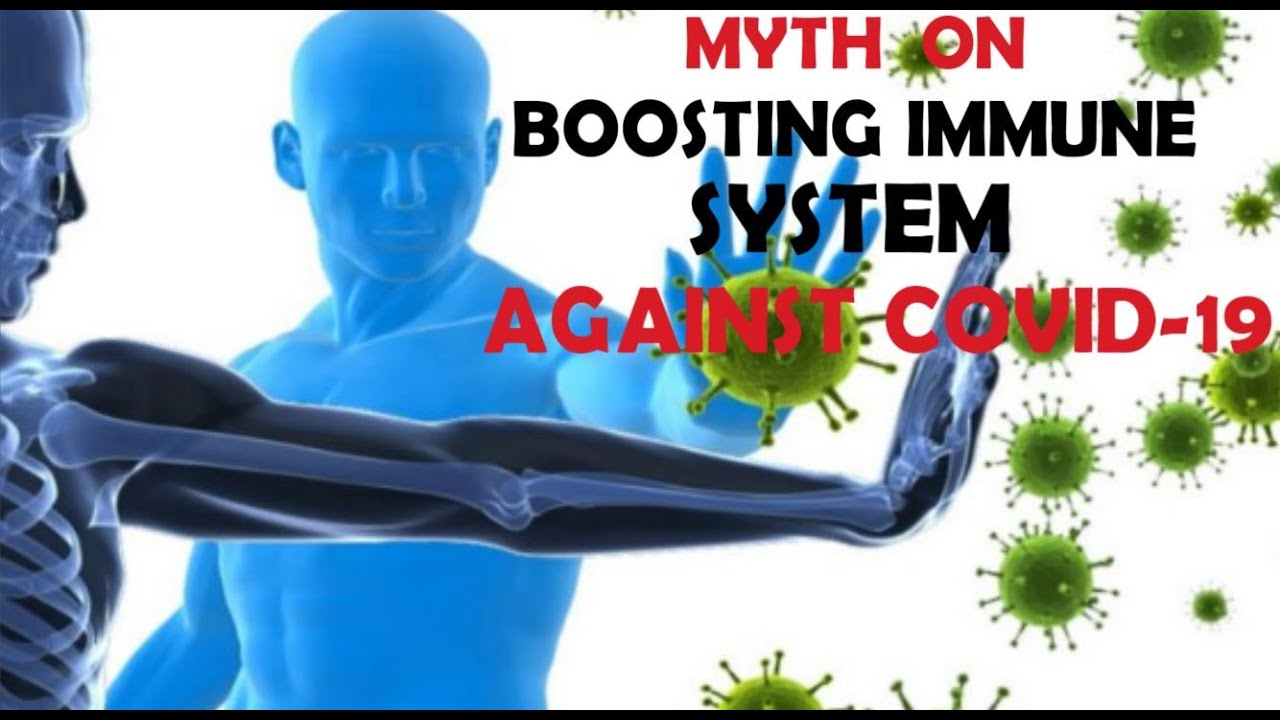
Three main healthy ways to maintain our immune function are:
1. Sleep!
Sleep plays a great role in our health. We heal when we get adequate sleep. While more sleep won’t necessarily prevent you from getting sick, sleep deprivation adversely affects your immune system. Yes, lack of sleep can affect your immune system. Studies show that people who don’t get quality sleep or enough sleep are more likely to get more sick after being exposed to a virus. Lack of sleep can also affect how fast you recover if you do get sick. I know most of us have very little to keep us busy during this period. If you have little or nothing doing, get more sleep, it’s healthy. Get at least eight hours of sleep. Instead of stocking toilet paper and foods, could we stock up on naps instead?
Sleep in a dark room and keep a regular bedtime and wake up routine.
2. Lower your stress levels!
I don’t know about you, but I was pretty stressed out by this COVID-19 for some time, but I had to get over it. Thank God for his ever sufficient grace, which helped me realise that being stressed wasn’t helping anything! Although you should practice lowering your stress levels year-round, practicing amid this virus outbreak is particularly important as stress directly impacts your immune system. Find ways to lower stress levels. Read a good book, exercise, go fishing, walking, practice controlled breathing techniques! Whatever works for you, do it!
3. Enjoy a balanced diet
Nutrient deficiency makes us more susceptible to viruses and bacteria, that’s why it is important to eat nutritional foods that maintain a healthy immune system. Whole-foods including grains, beans, nuts and seeds provide daily nutritional value along with sweet-tasting vegetables and leafy greens.
Finally, there are a few other points to consider as you think about stocking up and creating healthy meals for you and your family. Yeah, I know you are not giving up on stocking up “food”! I mean, who will?
1. Be aware of people in your community that may have difficulty accessing food, and look for ways to support those in need.
2. If you are self-isolating and especially if you have symptoms, it is important to maintain good nutrition and hydration. Make sure you are eating and drinking regularly. If your appetite is poor, schedule several times during the day to consume small snacks and beverages, no alcohol please!.
3. If you have specific nutritional needs, it is important that you continue to follow recommendations made by your registered dietitian, doctor, physician assistant or nurse practitioner.
It is important to receive information from credible, trustworthy sources. Registered dietitians are regulated health professionals committed to providing evidence-based advice and information that is tailored to your personal needs and challenges.
And stay safe! If this is your first time here or you haven’t subscribed before, don’t hesitate to hit the subscribe button below, like, and leave a comment. Thank you!