How to boost immunity power | Immunity boosting foods and ways
In this video, we will discuss on scientists studies, brown and white fats in our body and food and activities to improve our immune system.
Due to the coronavirus infection rising, people are seeking all possible ways to boost their immune systems.
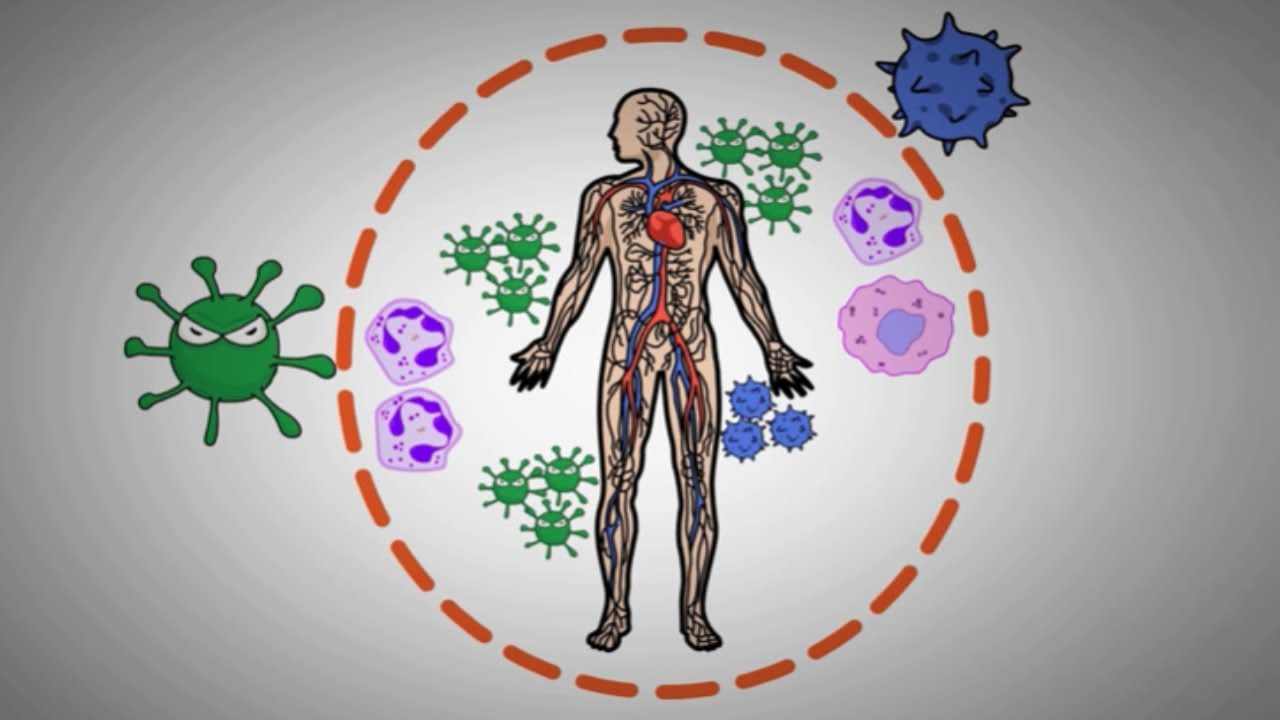
Our immunity system is a network which consists of many parts that cannot be technically boosted. But can be strengthened to protect our body from intruding viruses and other enemies.
Protein rich foods build and repair body tissue and helps to fight viral and bacterial infections.
Our body antibodies and immune system cells rely on protein.
Protein deficiency in the diet may lead to fatigue, weakness and poor immunity.
Be careful of consuming too much starch foods.
Starch is basically sugar, and excess sugar can lower your immune system.
Did you know that there are two quite distinct types of fats?
They are white and brown fats.
The white fat stores the energy from the food we eat for when we need it.
So, the more energy we take in without using it, the fatter we get.
The job of the brown fat is to burn the fat to produce heat in the body.
The brown fat plays an important role in protecting us from hypothermia.
A study was conducted and scientists removed fat tissue from mice.They were surprised to learn that even at room temperature the mice became colder.
The scientists then moved the same mice to cold environments and this caused death.
In short eating a healthy and balanced diet will significantly improve immunity system.
Your food should consist of adequate amount of vegetables, fruits, egg, meat, fish, beans and cereals.
Drink milk also.
Taking a Keto Diet may improve your ability to fight the Flu virus.
Yale university conducted a study in mice on keto diet and its ability to combat flu.
Mice that were fed with a ketogenic diet were able to combat the flu better compared to those fed with high-carbohydrate diet.
The scientists explained that keto diets triggered release of immune system cells that produced mucus in the lung cell linings and effectively trapped virus.
But no similar studies have been conducted on humans.
Did you know what helps our immune systems to stay balanced during the cold and flu season?
It is “Vitamin D”
We can get vitamin D from foods such as fish, liver, salmon, egg, milk and mushroom etc.
But the best source of natural Vitamin D is Sunlight.Take adequate sunlight at least 2-3 times in a week. You can refer the above link for video on how to get sunlight.
Vitamin C, or ascorbic acid is a water-soluble vitamin and an antioxidant that supports to maintain a healthy immune system.
Foods like broccoli, cauliflower, kiwi, orange juice, papaya, black pepper, sweet potato, strawberry, tomato, cantaloupe etc are rich in vitamin C.
Vitamin B6 in our body helps to maintain proper biochemical reactions in the immune system.
Foods rich in Vitamin B6 includes banana, cashew nut, beans, cereals, fish, meat, oats, dates, raisin etc.
Did you know that a chronic sleep loss can make your body less reactive to even flu vaccines?
So sufficient sleep is a must for your body to effectively maintain an immune response.
Now let us see how many hours of sleep you require…
Babies should sleep for 14-17 hrs and 6-8 months babies should have 12-15 hrs of sleep.
Preschool children should sleep for 9-11 hrs and teenagers for 8-10hrs.
Adults and aged people should sleep for 7-9 hrs.
When you stay hydrated it helps the body naturally to eliminate toxins and other bacteria that may cause illness.
So, stay hydrated by drinking minimum 3-4 liters of water in a day.
And don’t forget to do exercise for at least 30 minutes a day or 150 min per week.
Let us know how you plan to boost immunity.
Thank you for watching the video.
Reference
Yale university study-
This presentation contains images that were used under a Creative Commons License. Click here to see the full list of images and attributions:
Disclaimer:
The materials and the information contained on Healthy Twigs channel are provided for general and educational purposes only. It is not intended to be a substitute for professional medical advice. The statements in video have not been evaluated by the FDA or any medical authorities and are not intended to diagnose, treat or cure any disease. Always seek the guidance of your doctor or other qualified health professional with any questions you may have regarding your health or a medical condition.