
welcom to my channel @mandy-h9y
Why You’re Always Tired: Vitamin D Deficiency Symptoms Explained
Are you feeling consistently fatigued? Do you struggle to find the energy to get through your day? If you’ve been experiencing unusual tiredness, it might be time to look into the role of Vitamin D in your overall health and well-being. In today’s video, we dive deep into the common symptoms of Vitamin D deficiency and how it could be the underlying cause of your relentless fatigue.
Vitamin D is not just a vitamin; it’s a vital nutrient that plays a significant role in numerous bodily functions. It aids in calcium absorption, supports immune function, and is crucial for maintaining bone health. However, many people are unaware that a Vitamin D deficiency can lead to chronic tiredness, depression, and a host of other health issues.
In the video, we will discuss:
– What Vitamin D is and why it’s essential for your body.
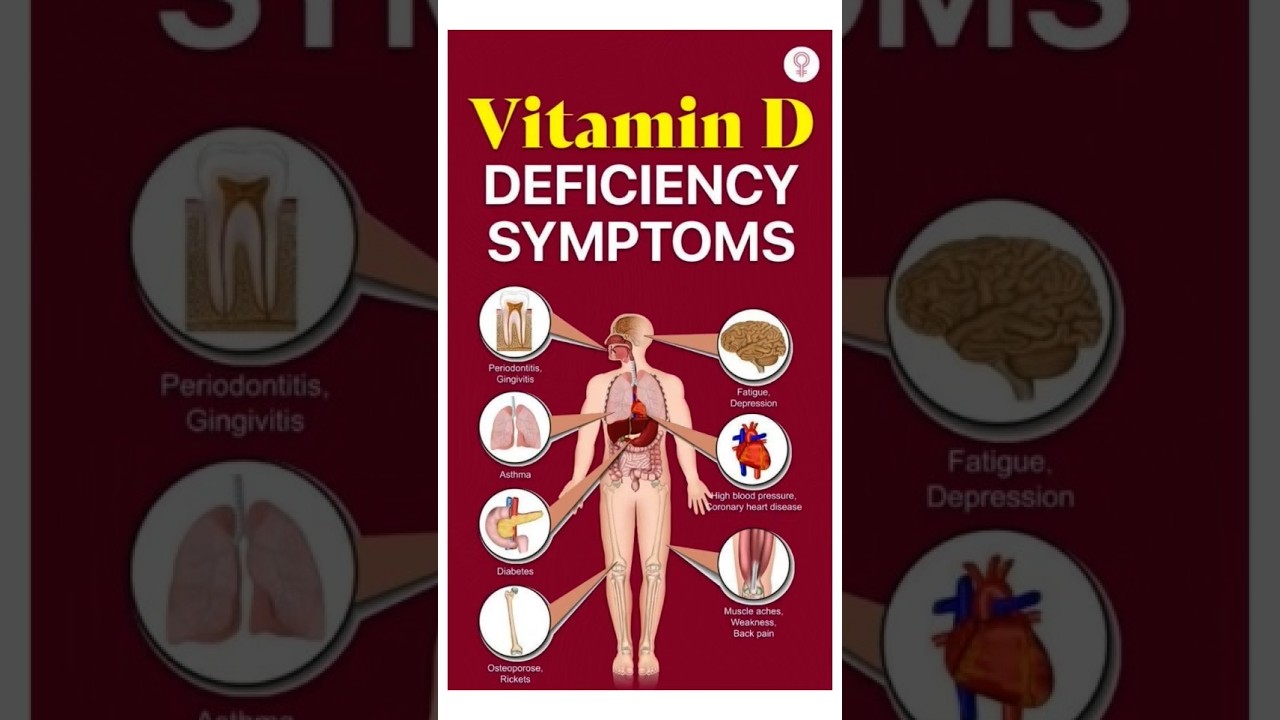
– The various symptoms associated with Vitamin D deficiency, including persistent fatigue, mood swings, muscle weakness, and more.
– How to recognize the signs of insufficient Vitamin D levels in your body and when to consult a healthcare professional.
– Natural ways to boost your Vitamin D levels through sun exposure, diet, and supplements.
Symptoms of Vitamin D deficiency often go unnoticed. Many people dismiss their fatigue as a result of busy lifestyles or lack of sleep, but if you’ve been feeling this way for a prolonged period, it could be due to compromising Vitamin D levels in your system. Studies show that even mild deficiencies can lead to feelings of exhaustion and malaise.
In addition to fatigue, Vitamin D deficiency can also contribute to other health problems like osteoporosis, respiratory infections, and even cardiovascular diseases. With the sun being one of the principal sources of Vitamin D, many people, especially those living in areas with limited sunlight exposure, have found themselves at risk. If you think about it, the increasing trend of people working from home has also made it easier to forget about getting outside, which can severely affect your Vitamin D levels.
To combat Vitamin D deficiency, it’s essential to incorporate Vitamin D-rich foods into your diet. Foods like fatty fish (salmon, mackerel), beef liver, egg yolks, and fortified foods can help boost your intake. Additionally, exposing your skin to sunlight safely allows your body to produce Vitamin D naturally. However, many people still struggle to meet their needs through food and sunlight alone, making supplementation important for some individuals.
Join us as we explore the scientific facts and expert insights that will illuminate the impact of Vitamin D on your energy levels. We encourage you to stay tuned for valuable information and practical tips that can help you reclaim your vitality and feel like yourself again!
Don’t forget to hit that subscribe button to stay updated on our latest health tips and insights! If you find our content helpful, please like this video and share it with friends and family who may also benefit from understanding Vitamin D and its critical role in combating fatigue. Your support helps us continue to provide informative content that empowers everyone to lead healthier lives.
#VitaminD #FatigueRelief #HealthTips #Wellness #EnergyBoost #VitaminDDeficiency #HealthyLiving #Nutrition #NaturalHealth #Sunlight
Subscribe, Like, and Share! Let’s spread awareness together!
The image provides information about Vitamin D deficiency symptoms and foods rich in Vitamin D.
Symptoms of Vitamin D Deficiency:
1. Fatigue – Feeling tired or lacking energy.
2. Joint pain – Discomfort or pain in joints.
3. Hair loss – Increased hair fall.
4. Weight gain – Unexplained increase in body weight.
5. Depression – Feeling sad or having low mood.
6. Mood changes – Emotional instability or mood swings.
7. Bone loss – Weakening of bones.
8. Muscle cramps – Sudden and painful muscle contractions
Foods Rich in Vitamin D:
1. Sunlight – Natural source of Vitamin D.
2. Tuna – A fish rich in Vitamin D.
3. Yogurt – A dairy product containing Vitamin D.
4. Orange – Often fortified with Vitamin D.
5. Butter – Contains some Vitamin D.
6. Eggs – Specifically, the yolk contains Vitamin D.
This visual infographic effectively highlights the symptoms of Vitamin D deficiency and suggests natural sources to maintain adequate levels.
Vitamin D – The Sunshine Vitamin
Functions:
Helps the body absorb calcium more effectively
Helps keep proper calcium and phosphate levels
Stimulates the growth of cells
Reduces inflammation
May help with Seasonal Affective Disorder and other mental health issues
Aids in serotonin and dopamine synthesis
Sources:
Egg yolk
Mushrooms
Fish and fish oil
Sunshine
Fortified dairy
Beef
#Vitamin D benefits
#Vitamin D foods
#Vitamin D deficiency symptoms
#Vitamin D supplementation
#sunlight Vitamin D
#Vitamin D dosage