Top 3 Vitamins to STOP Leg Cramps & That Restore Leg Strength in Seniors: Strengthen Your Legs!
Are Leg Cramps, Joint Pain, or Weak Bones Ruining Your Golden Years?
In this essential senior health video, we reveal the most effective nutrition for seniors to fight off knee pain, joint pain, and night cramps — especially for those dealing with arthritis, osteoporosis, or menopause symptoms.
Learn how the right joint care supplements, calcium supplements, and vitamin B12 can transform your daily life by reducing muscle cramps, easing back pain, and strengthening bones after 60. These science-backed strategies are perfect for senior ladies’ health and anyone experiencing leg pain, leg spasms, or vitamin B12 deficiency symptoms.
💡 Practical, simple, and easy to apply — our tips blend elderly wisdom with modern nutrition to help seniors live with less pain and more freedom.
At Nitro Wellness, we focus on empowering seniors with practical tools for better aging, stronger bones, and long-lasting vitality. Whether you’re looking to prevent muscle cramps in the elderly, improve bone health, or ease the discomfort of leg cramps and muscle stiffness, this video delivers what you need.
🔔 Subscribe to Nitro Wellness for weekly videos on senior nutrition, senior health tips, and smart solutions to thrive at any age.
#seniorhealth #seniorhealthtips #seniorwellness #elderlyhealth #seniornutrition #jointcaresupplements #nutritionforseniors #kneepain #jointpain #arthritis #backpain #after60 #elderlywisdom #menopause #osteoporosis #vitaminb12 #calciumsupplements #bonehealth #legcramps #musclecramps #nightcramps #legpainseniors #musclecrampselderly #seniorladieshealth #nitrowellness
Welcome to Nitro Wellness – your trusted source of inspiration and expert tips for aging strong, living pain-free, and feeling your best every day.
At Nitro Wellness, we believe senior health is about thriving — not just surviving. We provide science-based, simple advice for nutrition, movement, and supplements tailored to the real needs of aging adults.
Whether you’re navigating menopause, recovering from joint issues, or just want to age with confidence and energy, we’re here to support your journey.
🌿 Join a growing community dedicated to better senior wellness — 365 days a year.
🔗 SUBSCRIBE: https://www.youtube.com/channel/UC4YGl3ZNIBDqtFa17CouT0Q?sub_confirmation=1
🔔 Turn on notifications so you never miss a life-changing tip.
WATCH NEXT:
What Happens When Seniors Eat These 8 COLLAGEN-Rich Fruits Every Day? | Senior Health Tips
Over 60? This Missing Food Is Making Your Muscles Vanish Fast | Senior Health Tips
If You’re 65–80 and Can Still Do THIS, You Might Just Live to 100!
Doctor Reveals: The Collagen Fix Every Woman Over 60 Needs for Youthful Skin & Joints
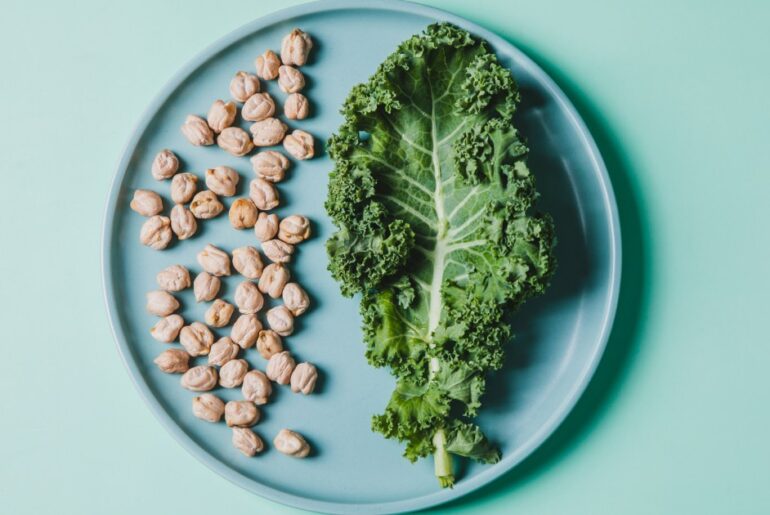
That feeling when your legs give out as you try to stand or that pause at the bottom of the stairs wondering if your knees will hold. It’s not just getting older. It could be your body starving for what it needs to stay strong. For years, you’ve probably been told this is just part of aging. But new research says weakness, joint pain, and muscle loss may point to a hidden vitamin deficiency. In fact, correcting just six key deficiencies could help restore your strength, protect your joints, and give you back that spring in your step. In this video, we’ll count down the six essential vitamins that fight joint pain and rebuild aging muscles, ranked from most foundational to the most overlooked. And stick around. Vitamin number six is the master key most seniors miss. And it could be a gamecher for your legs and energy. But first, a quick question. How old are you today? Drop it in the comments. We reply to everyone. One, the sunshine strengthener, vitamin D. Let’s start with the foundation, vitamin D. It’s not just for bones. It activates calcium so your body can actually use it. Without enough, your body steals calcium from your bones, causing deep aches, softer bones, or osteomalia, and the kind of leg weakness that makes stairs feel like Everest. Low vitamin D is linked to hip and knee pain, fatigue, backachches, and that frustrating heaviness in your legs. But here’s the kicker. After 60, your skin produces less of it from sunlight. And most diets don’t make up the difference. That’s why experts like the National Institute on Aging recommend 600 IUs daily, ages 51 to 70, 800 IUs daily over 70. You can get some from fatty fish like salmon or fortified milk, but many seniors need a quality vitamin D3 supplement to meet their needs. Always check with your doctor before going higher since they can help tailor it to your body. Two, the director vitamin, vitamin K. Now that we have the workers to deliver calcium with vitamin D, we need the site forin to tell it where to go. That’s vitamin K. This partnership is one of the most important and most overlooked secrets to strong bones and clear arteries. If you want more secrets to unlock your body’s potential, subscribe to our channel, Nitro Wellness. Vitamin K, especially a form called K2, does two critical things. First, it activates a protein called osteocalin, which grabs onto calcium and deposits it directly into your bones, making them strong and dense. Without vitamin K, that calcium just floats around. Second, it activates another protein that prevents calcium from ending up where it doesn’t belong, like in your blood vessels and soft tissues. This is huge. It means vitamin K doesn’t just build stronger bones, it helps protect your cardiovascular system. This is why a landmark study in the Journal of Orthopedic Science found that giving post-menopausal women with osteoporosis both vitamin D3 and K2 together led to a significant increase in lumbar spine bone density compared to taking either one alone. A deficiency won’t always give you clear signs. You might bruise more easily, but the real danger is the silent weakening of your bones over time. You can find vitamin K1 in leafy greens like spinach and kale. But the K2 form, which is best for bones, is in fermented foods like natto and certain cheeses like Gouda or in animal products like egg yolks. Since most of us don’t eat a lot of these, a supplement that combines D3 with K2 is one of the smartest moves you can make for your skeleton. Three, the nerve guardian. Vitamin B12. Okay, we’ve covered the bones, but what about the wiring? What about the signals from your brain that tell your legs to move? For that, we need vitamin B12, the ultimate guardian of your nervous system. You can have the strongest bones in the world, but if the communication lines are down, your legs won’t get the message. B12 maintains the protective coating around your nerves called the myelin sheath. It’s like the rubber insulation on an electrical wire. When you’re low on B12, that coating breaks down and the signals get scrambled. This directly causes that feeling of leg weakness, trouble with balance, and unsteadiness. It often starts with a tingling or pins and needles feeling in your feet and hands. This isn’t just a weird sensation. It’s a classic sign of nerve damage called peripheral neuropathy. It’s shockingly common in older adults with some estimates suggesting that B12 deficiency affects up to 20% of people over the age of 60, often because our ability to absorb it from food declines with age. Vitamin B12 is found almost exclusively in animal foods, meat, fish, eggs, and dairy. This puts vegetarians and vegans at higher risk. Because absorption is such a problem for many seniors, a supplement is often the most effective fix. If you’re feeling that weakness, tingling, or poor balance, it’s absolutely essential to get your B12 levels checked. Restoring them can make a world of difference in how steady you feel on your feet. Four, the inflammation fighter, vitamin B6. Building on nerve health, let’s talk about B12’s partner, vitamin B6. If B12 protects the nerve wires, B6 helps create the messages that travel along them. But its biggest job for our purposes is fighting inflammation. For more powerful health tips delivered right to you, subscribe to our channel, Nitro Wellness. Chronic inflammation is a huge driver of joint pain, especially in conditions like arthritis. In fact, research shows a tough cycle where arthritis depletes your body’s B6 and low B6 then makes the inflammation worse. Vitamin B6 helps calm this fire by lowering levels of inflammatory compounds in the blood, which means less pain and stiffness. Signs of a B6 deficiency can be subtle, like skin rashes or cracks at the corners of your mouth. But if your joint pain feels actively inflamed, a lack of B6 could be making things worse. You can get B6 from foods like chicken, fish, and chickpeas, which are a real powerhouse. Potatoes and bananas are also good sources. It’s about finding the right balance. While deficiency is bad, very high doses of B6 from supplements can cause nerve issues. So, it’s best to focus on food first or stick to a good quality B complex vitamin. By getting enough B6, you’re giving your body a key tool to manage inflammation. But before we continue, if you’ve been enjoying the video so far, hit the like button. And for more videos just like this, don’t forget to subscribe to our channel, Nitro Wellness, and hit the bell icon because you’re not done yet, and your legs deserve a second chance. Five, the joint builder, vitamin C. We’ve covered bones and nerves. Now, let’s fix the cushion between them, your cartilage. For that, we turn to vitamin C, the master joint builder. We all think of vitamin C for colds, but its most critical job for joint health is making collagen. Collagen is the literal glue that holds you together, and it’s the main ingredient in your cartilage. In osteoarthritis, that cartilage wears away, leading to painful bone on bone grinding. Your body simply cannot make collagen without vitamin C. Without it, the entire repair process stalls. Vitamin C is also a powerful antioxidant, neutralizing the cell damaging molecules created by inflammation and protecting the cartilage you still have. Pre-clinical studies show vitamin C can help accelerate healing and increase collagen synthesis and tissues like tendons and bone. If your joints feel extra painful or you find you’re healing slowly, you might need more. The best sources are the ones you know and love. Bell peppers, strawberries, citrus fruits, and broccoli. Since your body doesn’t store it, you need to get some every single day. Six, the bodyguard. Vitamin E. We’ve arrived at our final and most underappreciated vitamin, vitamin E. Its job isn’t to build or signal. Its job is to protect. Think of vitamin E as your personal bodyguard for every cell in your body. As a fat soluble antioxidant, its primary role is to protect your cell membranes from damage, especially in your muscle cells. Daily activity and inflammation from arthritis create a storm of free radicals that attack these cells. Vitamin E embeds in those membranes and acts like a shield, neutralizing the radicals before they do harm. A well-known population study, the Inianti study, published in the journals of gerontology, linked low levels of vitamin E in older adults directly to frailty and physical decline. By protecting your muscle cells from damage, you ensure they can work and recover properly, which is key to keeping your legs strong. Without this bodyguard, any repairs you make are constantly under attack. The best food sources are nuts and seeds. Almonds and sunflower seeds are fantastic choices. You can also get it from spinach and vegetable oils. Getting enough vitamin E is like playing defense. It preserves your muscles and joints at a fundamental level. So, there you have it, the six essential vitamins that can give you back control over your legs and joints. We started with vitamin D, the foundation for absorbing calcium and building strong bones. Then its partner, vitamin K, the director that puts that calcium in the right place. Next, we covered the wiring with vitamin B12, the nerve guardian that keeps your balance steady, supported by vitamin B6, the inflammation fighter that calms angry joints. Then we rebuilt the cushions with vitamin C, the master builder for collagen and cartilage. And finally, we brought in vitamin E, the bodyguard, to protect your muscles and joints from damage at the cellular level. It’s not about one magic bullet. It’s about getting the whole team of nutrients working together. Your body is always trying to heal itself. You just must give it the fuel to do it. Which of these are you adding to your meals this week? Let me know in the comments. We are reading and replying to every single one. If you’re ready to reclaim your mobility, subscribe to Nitro Wellness and get your strength back one step at a time.