#HealthyAging #DrAlanMandell #VitaminsForSeniors #Over60Health #NaturalHealing
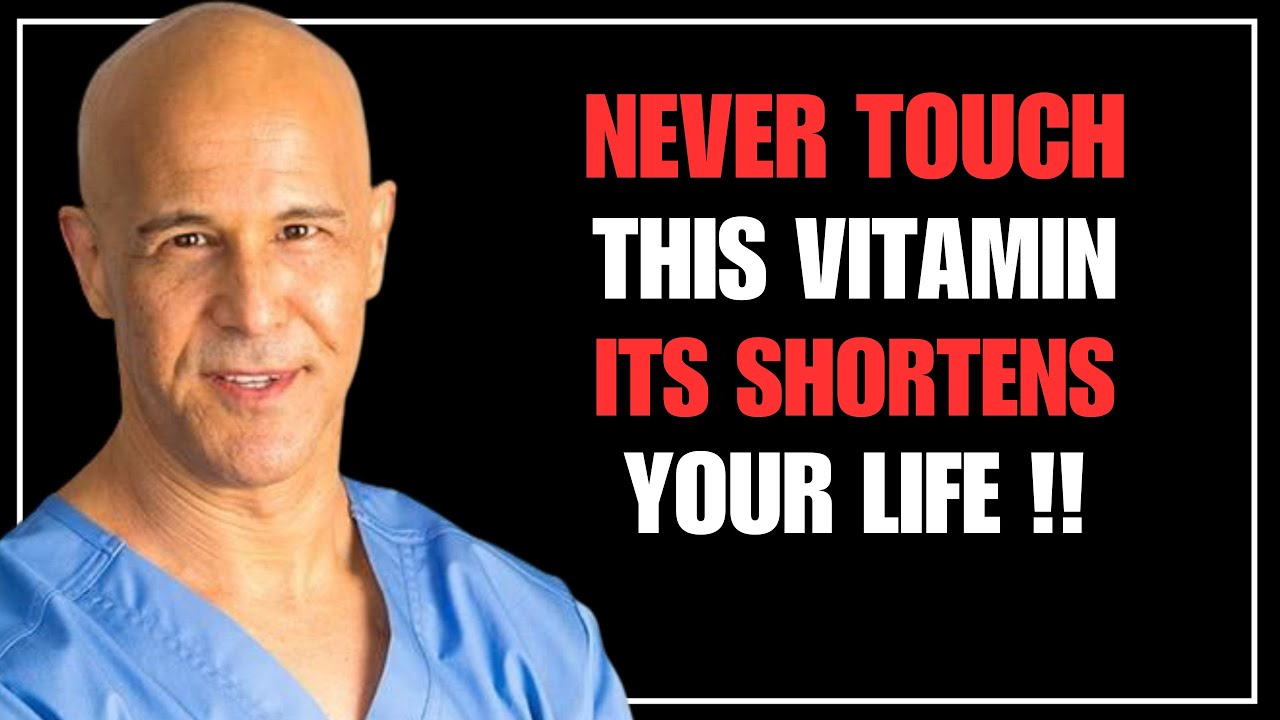
Over 60? 4 WORST Vitamins You Should NEVER Take and 4 You MUST Take Daily || Dr. Alan Mandell
Description:
If you’re over 60, your body’s nutritional needs change dramatically — and taking the wrong vitamins can actually do more harm than good. In this motivational and educational video, Dr. Alan Mandell reveals the 4 WORST vitamins you should NEVER take after 60 and the 4 you MUST take daily to boost energy, strengthen your bones, protect your heart, and sharpen your mind.
Dr. Mandell explains how poor supplement choices can cause toxicity, imbalance, or calcification — and how the right forms of Vitamin D3, K2, B12, and Magnesium can help your body heal naturally from within.
You’ll learn simple, science-based strategies to stay healthy, strong, and vibrant at any age.
If you value your health, don’t miss this life-changing talk.
Timestamps:
00:00 – 🌞 Introduction: Why supplements change after 60
02:05 – ⚠️ The truth about “healthy” vitamins that harm seniors
04:40 – 🚫 Vitamin A (Retinol): Hidden dangers for bones & liver
07:15 – 💥 Iron overload: Why excess iron damages your heart and brain
09:50 – 🧨 Synthetic Vitamin E: When antioxidants turn harmful
12:10 – 🪨 Calcium Carbonate: The myth that can hurt your arteries
14:05 – 🌿 The 4 MUST-TAKE vitamins for longevity and strength
15:00 – ☀️ Vitamin D3: The sunshine hormone for immune and bone health
16:45 – 🧠 Vitamin B12: Energy, focus, and brain protection
18:20 – 💪 Vitamin K2 + D3 synergy for strong bones and clean arteries
19:45 – 😌 Magnesium: The master mineral for calm and sleep
21:00 – ⚖️ Balance, quality, and consistency — the real key to healing
22:00 – 🙏 Closing message from Dr. Mandell
💡 Why Watch This
Discover which vitamins can harm you after age 60.
Learn the best vitamin forms and safe doses for seniors.
Understand the synergy between D3, K2, B12, and Magnesium.
Boost your energy, mood, bone strength, and heart health naturally.
Get science-based guidance from Dr. Alan Mandell’s trusted wellness approach.
Disclaimer:
This video is for educational and motivational purposes only.
It is not medical advice. Always consult with your healthcare provider before starting, stopping, or changing any supplement or medication. Individual results may vary depending on health condition, lifestyle, and existing deficiencies.
Keywords:
vitamins for seniors, supplements after 60, Dr Alan Mandell, vitamin D3 benefits, vitamin K2 MK7, vitamin B12 for energy, magnesium glycinate, healthy aging tips, best vitamins for over 60, worst vitamins for seniors, natural healing Dr Mandell, over 60 nutrition, vitamins to avoid, bone health supplements, heart health vitamins, brain boost supplements, energy for seniors, safe supplements for elderly, anti-aging nutrition, holistic wellness, senior health guide, immune support vitamins, natural remedies Dr Mandell, healthy lifestyle over 60, vitamin deficiency signs, best vitamin brands, supplement mistakes,
Hashtags:
#Over60Health, #HealthyAging, #DrAlanMandell, #VitaminsForSeniors, #NaturalHealing, #SeniorWellness, #HealthyLifestyle, #VitaminD3, #VitaminK2, #VitaminB12, #MagnesiumGlycinate, #BoneHealth, #HeartHealth, #BrainHealth, #SupplementsOver60, #AntiAging, #LongevityTips, #HealthyLiving, #EnergyBoost, #HolisticHealth, #NutritionTips, #NaturalRemedies, #SeniorCare, #WellnessMotivation, #HealthAwareness, #FunctionalMedicine, #MindBodyHealth, #Over60Wellness, #SelfHealing, #NutritionalBalance, #HealthyChoices, #CleanSupplements, #HealingNaturally, #DoctorMandell, #MotivationalHealth, #WellnessEducation, #BodyMindConnection, #HolisticHealing, #HealthyBones, #HealthyHeart, #NaturalVitamins, #AvoidToxicSupplements, #SeniorFitness, #MindfulAging, #PositiveHealth, #Over60Nutrition,
Titles:
4 Vitamins That Can Harm You After 60 — And What to Take Instead!
Stop Taking These Supplements After 60 – Dr. Alan Mandell Explains Why
The 4 Best Vitamins for Seniors – Boost Energy, Brain, and Bone Health
Over 60? The Truth About Vitamins No One Tells You
Dr. Alan Mandell Reveals The Top Supplements for Longevity & Vitality
Searches:
best vitamins for seniors over 60
supplements to avoid after 60
Dr Alan Mandell vitamin advice
vitamin D3 and K2 benefits
how to boost energy after 60
magnesium for sleep and muscle health
B12 deficiency in older adults
natural ways to stay healthy after 60
anti-aging supplements for men and women
safe daily vitamin routine for seniors
Tags:
Dr Alan Mandell, Over 60 vitamins, Worst vitamins for seniors, Best supplements for seniors, Vitamins to avoid after 60, Vitamin D3 benefits, Vitamin K2 MK7, Aging gracefully, Senior fitness, Immune support, Longevity secrets, Natural remedies, Anti-aging nutrition, Clean supplements, Health education, Senior wellbeing, Holistic medicine, Healthy lifestyle, Nutrition for elderly, Functional nutrition, Body mind connection, Motivational speech
Hello everyone, Dr. Mandel here. If you’re over the age of 60, your body is not the same as it was 30 or 40 years ago. Your metabolism slows down, your digestive system changes, and your cells simply don’t absorb nutrients like they used to. But here’s something most people don’t realize. Many common vitamins can actually do more harm than good, especially as you age. Yes, you heard that right. Some vitamins that worked great in your younger years can now cause imbalances, weaken your bones, or even strain your heart and kidneys. Today, I’m going to share with you the four worst vitamins you should never take after 60 and the four you must take daily to stay strong, sharp, and full of energy. I want to talk about something that surprises a lot of people and that’s the fact that some of the vitamins we’ve been told for years are good for us can actually become harmful once we pass the age of 60. I know it sounds hard to believe. We’re taught that more vitamins mean more health, more protection, more vitality. But the truth is, as our bodies age, our metabolism slows, our liver and kidneys don’t process nutrients the same way. And what once helped us can now begin to work against us. That’s why it’s so important to understand which vitamins can create problems after 60. Not to fear them, but to use knowledge as our greatest form of protection. Let’s start with one of the biggest culprits, vitamin A. Most people think of vitamin A as the eye vitamin. It supports vision, immunity, and cell repair. And that’s true, but the form you take makes all the difference. There are two primary kinds. preformed retinol found in supplements and animal products like liver and cod liver oil and provitamin A carenoids found naturally in colorful fruits and vegetables. The problem arises when older adults take high doses of the retinol form, especially from synthetic supplements. As we age, our liver’s ability to store and regulate vitamin A weakens. Excess retinol can accumulate in the liver and bones leading to toxicity, symptoms like dry skin, dizziness, joint pain, and even fractures. Research has shown that too much preformed vitamin A can actually thin your bones, and increase the risk of hip fracture in post-menopausal women and older men. I’ve had countless patients who thought they were helping their eyes, but were actually hurting their skeletal health. So, if you want vitamin A, get it from natural foods. carrots, spinach, sweet potatoes, kale. Your body will convert only what it needs from beta carotene and safely discard the rest. That’s the beauty of nature. It gives us balance. Next, let’s look at iron. One of the most misunderstood nutrients in the supplement world. Iron is essential when you’re younger. It carries oxygen in your blood, builds energy, and keeps your immune system strong. But after 60, something changes. Unless you have a diagnosed deficiency, you generally don’t need extra iron. Men and post-menopausal women lose very little iron through daily processes. So, it tends to build up in the body. And when excess iron accumulates, it can become a highly reactive metal promoting oxidative stress, which is basically internal rusting. that rusting damages blood vessels, accelerates aging, and contributes to heart disease, diabetes, and even neurodeenerative problems like Alzheimer’s. I’ve seen older adults taking multivitamins with 18 milligs of iron every day for years, thinking it was helping when in reality it was silently stressing their organs. The key is simple. Only take iron if your doctor has confirmed you’re anemic or deficient and use gentle forms like ferrris bislycinate under supervision. Otherwise, rely on food sources like lentil, spinach, or a small amount of red meat balanced with vitamin C to enhance absorption. Your body will thank you. Now, let’s talk about vitamin E. This one shocks a lot of people. Vitamin E is marketed as the antioxidant that protects your heart, skin, and cells. And while that’s partly true, it depends entirely on how much and what kind you take. Most cheap supplements contain a synthetic version called DLpha Tcopherel. This synthetic form doesn’t behave the same way in your body as a natural Dalpha tcopherel or the mixed tcopherols found in foods like nuts and seeds. In high doses over 400 IU a day, synthetic vitamin E can actually block the absorption of vitamin K, the nutrient your blood needs to clot properly. Without vitamin K balance, you increase your risk of bleeding problems and even hemorrhagic stroke. Studies have shown that long-term highdosese vitamin E supplementation can interfere with medication metabolism and may raise the risk of heart failure in certain populations. I’ve always told my patients, if you want vitamin E, eat it. Almonds, sunflower seeds, avocados, spinach. Let your body receive the natural spectrum of tcopherols and tcopherels and tcopherels, not the isolated synthetic version that can tip your chemistry off balance. And now we come to calcium carbonate. Probably one of the most overused supplements among seniors. We’ve all been told, take your calcium to protect your bones. But here’s the missing piece. Calcium alone doesn’t build strong bones. Without the right co-actors like vitamin D3, vitamin K2, and magnesium, that calcium doesn’t go where it’s needed. Instead, it can settle in the wrong places. Your kidneys, your arteries, your joints, and that’s where the danger lies. Calcium carbonate, the cheapest and most common form, is poorly absorbed and can neutralize stomach acid, impairing digestion and leading to constipation. Over time, this form of calcium can contribute to kidney stones and calcified arteries, the very things we’re trying to prevent. What you truly want is a balance of nutrients working together. Calcium from leafy greens, sardines, sesame seeds, or fortified almond milk supported by K2 to guide it into your bones and magnesium to keep it flexible and functional. Remember, bones are living tissue. They need minerals that move in harmony, not a single nutrient forced in isolation. So when we look at these four highdose vitamin A, a necessary iron, synthetic vitamin E and calcium carbonate, we start to see a clear pattern. It’s not that vitamins are bad. It’s that the wrong forms, wrong doses, and wrong combinations can create imbalance. And imbalance is what leads to fatigue, stiffness, inflammation, and accelerated aging. The older we get, the more precise we must become with what we put into our bodies. At 60 and beyond, the goal is not to flood your system with nutrients. It’s to nourish intelligently. Always remember, your body is a finely tuned instrument. It doesn’t need noise. It needs harmony. Supplements should complement your diet, not complicate your chemistry. The best strategy is to have your nutrient levels checked, your vitamin D, your B12, your ferotin, your calcium, so you can supplement based on fact, not fear or marketing. And when in doubt, go back to the basics. Eat real food, move daily, hydrate well, sleep deeply, and keep your mind at peace. These are the true vitamins of life. So the next time you look at that bottle of pills promising more energy or stronger bones, take a step back and ask yourself, is this helping me or could it be silently harming me? Because knowledge, my friends, is the most powerful supplement you’ll ever take. When you understand what your body really needs after 60, you could protect your organs, preserve your vitality, and keep living life with strength and confidence. Now that we’ve covered the vitamins you should avoid after 60, let’s talk about the ones your body truly needs to thrive. The ones that can help you feel younger, stronger, and sharper each and every day. Because after 60, your body is in a constant conversation with time. The energy you have, the clarity in your mind, the strength in your muscles, the rhythm of your heart, all of it depends on the delicate balance of the nutrients that fuel your cells. These four vitamins I’m about to share with you aren’t magic pills. their foundational tools for healing, restoration, and longevity. The first one is vitamin D3. What I like to call the sunshine vitamin. Most people don’t realize that vitamin D is not just a vitamin. It’s actually a hormone that controls the expression of over 2,000 genes in your body. It affects your immune system, your bones, your muscles, your brain, even your mood. But here’s the problem. As we age, our skin becomes less sufficient at producing vitamin D from sunlight. Add to that the fact that most of us spend more time indoors, use sunscreen, and live in areas where sunlight is weak during part of the year. And what happens? Deficiency. Serious deficiency. When your vitamin D levels drop, your bones start losing calcium, your immune defenses weaken, and you’re more likely to feel tired or even depressed. Studies show that low vitamin D levels are linked to higher risk of infections, heart disease, cognitive decline, and even cancer. So, getting enough D3 is one of the best things you can do to protect your health after 60. Always remember, D3 works best when it’s taken with a meal that includes healthy fats like avocado, olive oil, or salmon because it’s fat soluble. And it doesn’t work alone. It needs a partner, vitamin K2, which I’ll talk about shortly. The optimal range for most older adults is usually between 50 to 80 ng cell in your blood. So have your doctor check it. That number tells you a lot about how well your body is absorbing sunshine from the inside. Now let’s move on to vitamin B12. One of the most important nutrients for your brain, your nerves, and your red blood cells. After the age of 60, your stomach produces less hydrochloric acid, which means it becomes harder to extract B12 from the foods you eat, especially from animal products like eggs, fish, or meat. That’s why B12 deficiency is so common in older adults. The symptoms can sneak up slowly. Fatigue, brain fog, tingling in your hands or feet, balance problems, or even memory lapses. I’ve seen patients who thought they were developing dementia, but it was simply a B12 deficiency. Once we corrected it, their clarity, focus, and energy returned within weeks. The key here is form and absorption. The best version is mythcobalamin, which is the active form your body can use right away. I often recommend sublingual tablets or sprays that dissolve under your tongue. That way, the vitamin goes directly into your bloodstream without depending on stomach acid. B12 works together with folate and B6 to lower homocyine, a compound linked to heart and brain problems. So when you nourish your body with enough B12, you’re protecting both your heart and your mind. It’s one of the simplest yet most powerful gifts you can give yourself as you age. Now let’s talk about the incredible vitamin K2, particularly in the MK7 form. Most people know vitamin K1 is the one found in green vegetables that helps your blood clot. But K2 is different. Its main job is to direct calcium where it belongs into your bones and teeth and to keep it out of places where it shouldn’t be, like your arteries and soft tissues. Think of K2 as your body’s traffic controller for calcium. Without it, calcium supplements can do more harm than good. Here’s how it works. Vitamin D3 increases calcium absorption from your diet, which is great. But if that calcium doesn’t know where to go, it can deposit in your arteries, leading to stiffness and blockages. K2 activates special proteins called osteoclen and matrix GLA protein, which guide calcium into the right places. That means stronger bones and cleaner arteries. Studies have shown that people with higher K2 intake have a lower risk of heart disease and fractures. Foods like natto, fermented soy, hard cheeses, and egg yolks contain K2, but most people don’t get enough through diet alone. That’s why supplementing with a small daily dose of K2 MK7 alongside vitamin D3 is one of the smartest combinations you can take for longevity. Together they form a dynamic duo that supports both skeletal and cardiovascular health. The two systems that define your vitality after 60. And finally, we can’t forget about magnesium. Truly one of the most underrated minerals on the planet. It’s involved in over 300 biochemical reactions in your body. It helps your muscles relax, regulates your heartbeat, supports deep sleep, balances your nervous system, and even helps convert food into usable energy. Yet, most older adults are magnesium deficient, mainly because our soil is depleted and our diets are too heavy in processed foods. On top of that, medications like diuretics, acid blockers, and certain blood pressure drugs can drain magnesium levels even faster. When you don’t have enough magnesium, you might experience muscle cramps, irregular heartbeat, anxiety, trouble sleeping, or fatigue. Some people even feel chronic stiffness or twitching. The good news is magnesium is easy to replenish if you choose the right form. I often recommend magnesium glycinate because it’s gentle on the stomach and well absorbed by the body. You can also get magnesium from leafy greens, pumpkin seeds, avocados, and dark chocolate. And remember, magnesium works handinhand with vitamin D. You can’t fully activate vitamin D in your body without adequate magnesium. So when you take D3, always make sure your magnesium levels are supported, too. These four nutrients, D3, B12, K2, and magnesium are not just supplements. They’re life support systems for your cells. Together, they protect your bones, strengthen your heart, calm your nerves, and keep your brain sharp. They help you wake up with more energy, move with more ease, and sleep with more peace. They create the internal environment your body needs to stay youthful even as the years go by. But remember, no supplement replaces a healthy lifestyle. You still need good food, deep sleep, exercise, hydration, and most importantly, a positive mindset because healing begins not only in your body, but also in your thoughts. When you take care of your body, your body takes care of you. So, if you’re over 60, make these four vitamins a part of your daily routine. Take them consistently, take them correctly, and let your body do what it was designed to do. Heal, repair, and renew itself every single day. You have one body, one life, and endless potential to feel your best at any age. We’ve talked about the vitamins that can harm you and the ones that can truly help you. But now, I want to share something even more important. the balance between them, the quality of what you choose, and the consistency of how you take care of yourself. Because here’s the truth. The body is not a machine that runs on quick fixes. It’s a living, breathing, intelligent system. And when we understand how to work with it gently, patiently, consistently, it rewards us with energy, healing, and peace that no pill alone can ever give. You see, balance is the secret ingredient in everything related to your health. Your body is always seeking harmony between vitamins and minerals, between rest and movement, between nourishment and elimination, between stress and calm. When you take too much of one thing and ignore another, you create imbalance. And imbalance is what leads to disease. Too much calcium without magnesium, too much vitamin D without K2, too many supplements without real food. That’s when problems start to appear. And it’s not because supplements are bad, but because your body needs cooperation, not competition between nutrients. Imagine your body as a beautiful orchestra. Every instrument, your organs, your hormones, your cells plays its part. The vitamins and minerals are the musicians that keep the music alive. But if one section plays too loud and another too soft, the harmony is lost. Health works the same way. It’s not about chasing the loudest note. It’s about keeping the whole orchestra in tune. That’s why quality is just as important as balance. I tell people all the time, not all supplements are created equal. You can go to a store and see two bottles labeled vitamin D3, and one can nourish your body while the other does almost nothing. Many cheap supplements are filled with synthetic ingredients, artificial dyes, and fillers that your body can’t process. Some contain heavy metals or contaminants that slowly accumulate in your system. That’s why it’s crucial to choose clean, reputable brands that are third party tested, companies that show transparency about where their ingredients come from and how they’re made. When it comes to supplements, always look for bioavailable forms, the kind your body recognizes and uses easily. For example, methylcobalamin for B12, magnesium glycinate instead of oxide, vitamin D3 instead of D2, and K2 in the NK7 form. These are the forms your body understands. Think of it this way. You can give your body cheap fuel and it might still run but not efficiently. Or you can give it clean, high quality fuel and it performs with energy, clarity, and strength. You are what you absorb, not just what you take. And here’s something I really want you to remember. Consistency is more powerful than intensity. I meet so many people who take supplements for a week or two, then stop because they don’t feel a difference. But that’s not how healing works. Healing happens quietly deep within your cells long before you see the results on the surface. The same way you don’t grow a tree overnight, your body needs time, days, weeks, sometimes months to rebuild nutrient stores, restore balance, and awaken its natural vitality. Consistency turns small actions into lasting transformation. Think about brushing your teeth. You don’t do it once and expect your smile to last forever. You do it every day because you understand the long-term payoff. The same is true for vitamins, for exercise, for hydration, for positive thinking. It’s the daily repetition of small, healthy choices that build the foundation of lifelong health. Your cells thrive on routine. They love rhythm, stability, and patience. Every day that you nourish your body properly, even in small ways, you’re sending it a message. I care for you. I’m giving you what you need to heal. Now, I want to touch on something equally vital. Trusting your body. We live in a world that teaches us to fear every ache, every sign of aging, every wrinkle. But your body is not your enemy. It’s your greatest ally. It’s constantly repairing, detoxifying, and adapting all day, every day, even when you don’t notice it. Supplements can support that process, but they’re not a substitute for self-respect, movement, or mindful living. When you feed your body with love, with good food, clean air, sunlight, and gratitude, it responds. Healing begins when you stop fighting yourself and start listening to what your body is trying to tell you. And part of that listening is tuning in to how you feel, pay attention after you take a supplement. Does it make you feel calm, focused, or energized? Or does it make you feel bloated, dizzy, or restless? Your body gives you feedback, but you must be quiet enough to hear it. Don’t chase trends or internet fads. What works for one person might not work for you. Personalized care, guided by lab testing and self-awareness, always leads to better results than copying someone else’s routine. I’ve seen hundreds of patients over the years who tried every new supplement that came out, and they ended up more confused, more tired, and more frustrated than ever. But the ones who slowed down, simplified, and stayed consistent with the right few nutrients, balanced with good habits, those were the people who regain their strength, their focus, and their joy. Simplicity heals. Complication confuses. Your health journey is not a race. It’s a relationship. One that lasts your whole life. So treat your body like someone you love deeply. Give it time. Give it attention. Give it consistency. Feed it well. Rest it properly, move it daily, and speak kindly to it. Stress, negativity, and self-criticism are toxins, too. Sometimes more harmful than poor diet. When you cultivate gratitude and calm, your nervous system relaxes, your hormones rebalance, your digestion improves, and your immune system strengthens. The mind and body are not separate. They’re one. Every thought you think has a physical effect on your health. So yes, balance your vitamins, choose clean quality, be consistent, but also nourish your inner world, your thoughts, your emotions, your faith in the healing process. Because at the end of the day, the most powerful supplement you’ll ever take is your mindset. If you’re over 60 or any age, really, remember that every new day is a chance to start again. You don’t need to be perfect. You just need to be present. Be patient with yourself. Healing doesn’t happen overnight, but it does happen when you give your body the support and stability it deserves. So, take your time, do it right, and never stop learning about yourself because knowledge gives you power and consistency gives you results. And when you live with balance, quality, and faith in the process, that’s when true lasting wellness begins.