Figures from the U.S. Department of Labor show the annual rate of inflation grew to 3.3% in March, with increasing fuel costs a catalyst. Numerator figures suggest rising prices have become more worrisome to consumer concern, with the 37% figure up nine points from July 2025. Rising prices surpassed the second highest stated concern in the research, which was political instability, the top worry for 20% of consumers.
The market researcher stated the data gathered as part of its 2026 Visions Report signals a bifurcating economy. Future financial expectation among total U.S. households has split equally between those doing worse and better. Higher income households expect to fare better, while lower income households anticipate doing worse.
In looking deeper into its ongoing research, Numerator purchasing data confirms the split as base household spending adjusted by the Numerator Consumer Price Index among high-income households gained 6% versus 2019, while low-income household spending declined by 2% since 2019.
At the same time, the research indicated innovation in the health and wellness sectors has fueled spending growth across sectors as diverse as beauty, grocery and pet. In moving toward a broader view of wellbeing, 62% of consumers said they are prioritizing both physical and mental health, up from 46% year in the year past.
The desire to establish a better balance between physical and mental wellbeing arises from uncertainty rather than renewed optimism, Numerator observed. As inflationary pressures rose, consumer sentiment turned more negative from June to December 2025. When asked as part of the research which emotion reflects how they feel about the future right now, reference to words such as “worried,” “uncertain” and “indifferent” grew, with terms including “optimistic,” “excited” and “curious” suffering a decline, Numerator added.
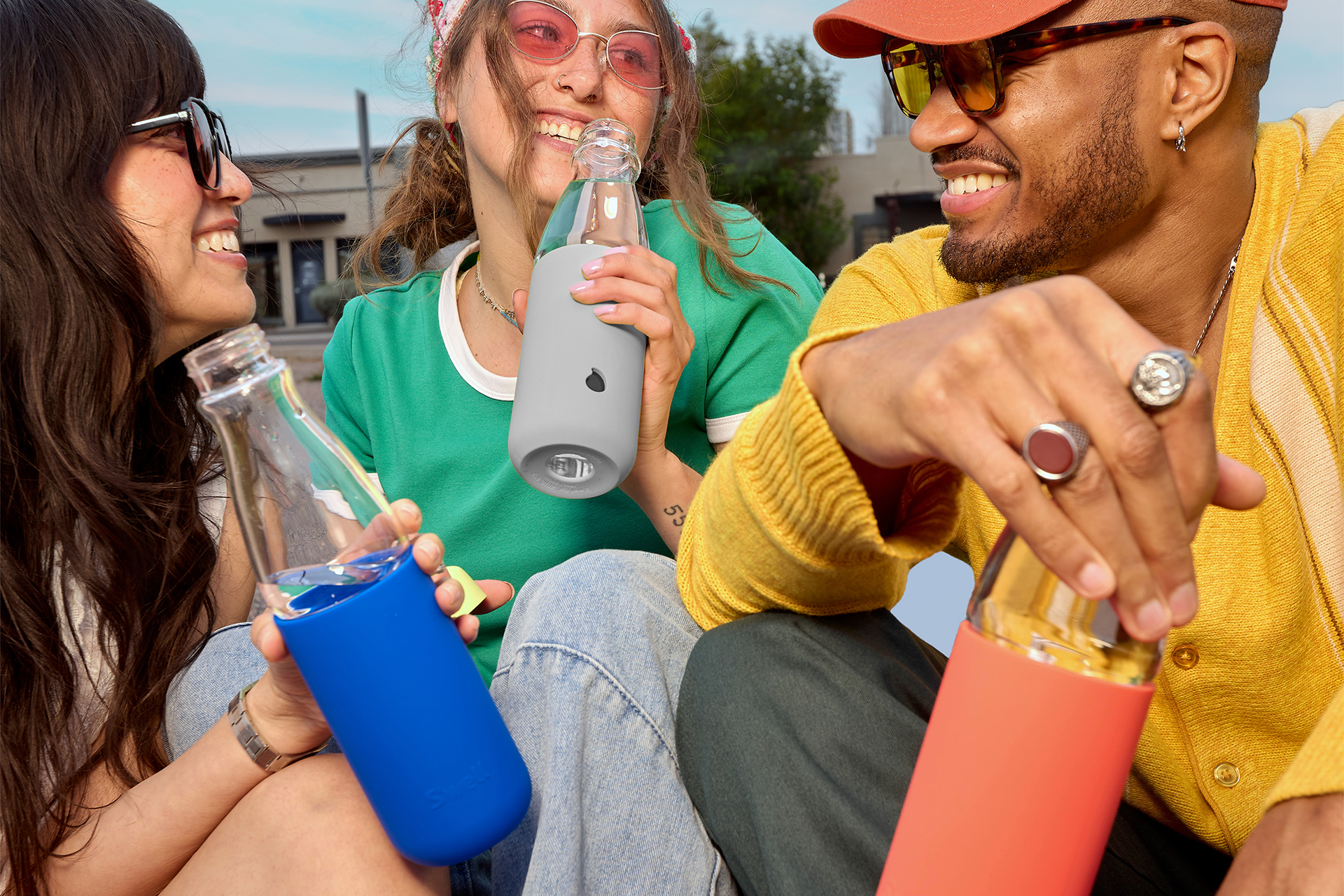
As consumers look to boost their wellbeing, clean living is redefining health, Numerator pointed out. Consumers most often define clean living as healthy eating, avoiding chemicals and additives, and living in a clean environment. Consumers are reviewing product labels more closely, a behavior cited by 31%, up four points from July 2025, and avoiding certain ingredients overall, cited by 26%, up three points from July 2025. Then, 78% of consumers said they are paying close attention to protein in their diets. Hydration is another concern as 34% of consumers said they plan to drink more tap water in 2026. Numerator added that the trend toward drinking tap water is further supported by the 3.1% increase in water filtration product sales it tracked through 2025.