Vitamin K and Breastfeeding | Breastfeeding special circumstances | CDC

Official websites use .gov
A .gov website belongs to an official government organization in the United States.

Secure .gov websites use HTTPS
A lock ( ) or https:// means you’ve safely connected to the .gov website. Share sensitive information only on official, secure websites.
Sept. 23, 2025
Vitamin K is needed to form blood clots and to stop bleeding. The American Academy of Pediatrics recommends that all newborns receive a one-time vitamin K shot within 6 hours after birth. Learn more about the importance of vitamin K and considerations for breastfed infants.

Babies are born with minimal amounts of vitamin K in their bodies. This can lead to a serious problem known as vitamin K deficiency bleeding (VKDB). VKDB can lead to brain damage and death. Bleeding from vitamin K deficiency is a risk during the first 6 months of life. VKDB is preventable with a one-time intramuscular shot of vitamin K at birth.
Do infants get enough vitamin K from breast milk?
No. Breast milk is low in vitamin K. Breast milk from mothers taking vitamin K supplements is also low in vitamin K.
The American Academy of Pediatrics recommends that all newborns receive a one-time intramuscular vitamin K shot within 6 hours after birth. This recommendation applies whether the infant will be breastfed or formula-fed.
To allow immediate bonding and contact between the newborn and mother, the vitamin K shot can be delayed until after the first feeding, up to 6 hours after birth. Administering the dose of vitamin K within 6 hours of birth is the best way to prevent bleeding.
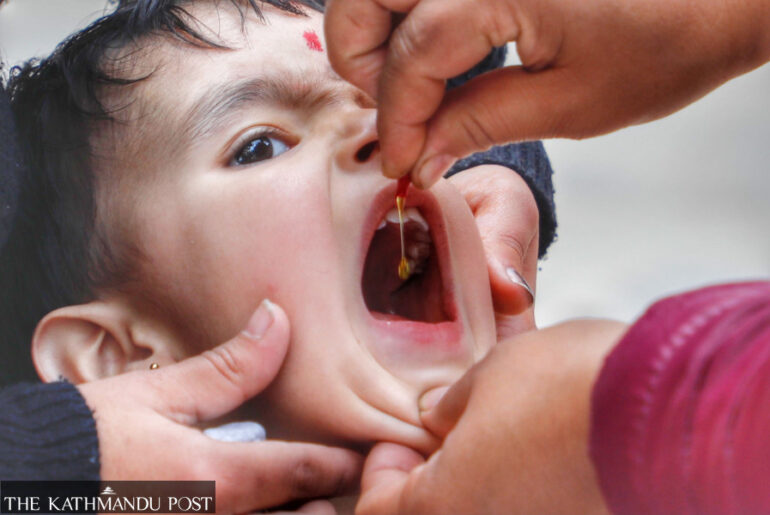
An oral dose of vitamin K is not recommended. Oral vitamin K is not consistently absorbed through the stomach and intestines and does not provide adequate amounts for the breastfed infant. Infants who receive the intramuscular vitamin K shot do not require further supplementation.
Preventing low amounts of vitamin K and VKDB
A one-time intramuscular shot of vitamin K at birth is the best way to prevent low amounts of vitamin K and VKDB in infants. If parents do not want their child to receive this dose of vitamin K, health care providers should discuss the risks with the parents.
Sept. 23, 2025
Content Source:
National Center for Chronic Disease Prevention and Health Promotion (NCCDPHP)