 4 min read
Zinc is one of those minerals that does a lot of different things throughout the body. So if you’re not getting enough of it, the signs can seem random and unrelated. Knowing the symptoms of zinc deficiency can help you connect these somewhat disparate symptoms and take steps to correct the shortfall and improve your health.
According to the National Institutes of Health (NIH), zinc is an essential mineral that powers the immune system, ensures that cuts and scrapes are able to heal, and helps support healthy fetal development during pregnancy, among other roles. While zinc deficiency is relatively rare in the U.S., there are certain groups who are at a higher risk than others. These include people with eating disorders, substance abuse disorders, and gastrointestinal conditions, said Jessica Crandall, R.D.N., owner of Vital RD. Vegetarians and vegans are also at a higher risk since many foods that are high in zinc are animal foods, such as oysters, beef, pork, and turkey.
Meet the experts: Jessica Crandall, R.D.N., owner of Vital RD; Melissa Mroz-Planells, D.C.N., R.D.N., national media spokesperson for the Academy of Nutrition and Dietetics and member of the Prevention Medical Review Board.
If you fall into one of these groups or are concerned about a potential zinc deficiency, read on to find out the most common signs of a shortfall in this mineral.
Common symptoms of zinc deficiencySlow-healing wounds
Zinc deficiency symptoms can range a lot, depending on your age. But one of the most common symptoms—especially in older adults—is slow-healing wounds, per the NIH. Zinc plays a key role in your immune system, helping your body fight off infections and heal injuries. So if you notice that cuts and scrapes are taking longer to close up, low zinc may be the culprit.
Hair loss
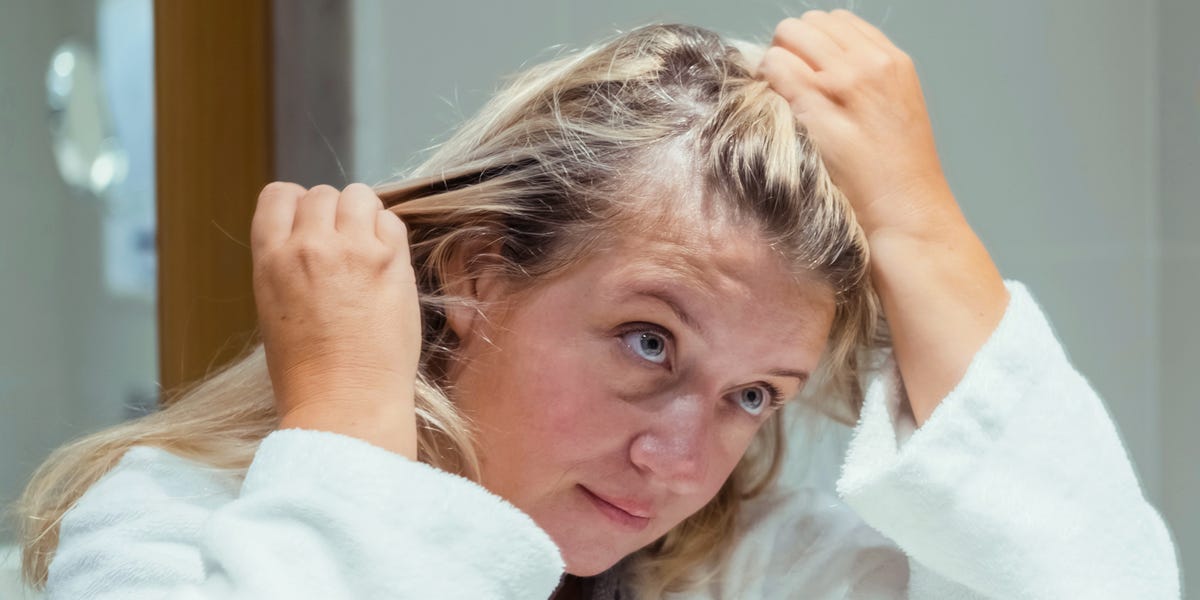
Low zinc is one possible reason your hair is thinning or falling out. Zinc deficiency can result in hair loss, especially in older children, per the NIH. Low zinc levels have also been linked to hair loss conditions. According to one 2023 study, zinc deficiency is more prevalent among people with alopecia areata, an autoimmune condition that causes sudden, non-scarring hair loss. The researchers also found a correlation between how low zinc levels were and the severity of the alopecia.
Acne
Acne may not be a common zinc deficiency symptom, but it can be a sign you need more of the nutrient. A review in Dermatologic Therapy found that people with acne tend to have lower zinc levels than people without it. Researchers also found that zinc can help quell your breakouts, leaving you with fewer zits.
Chronic disease
Zinc deficiency has been linked to several health conditions, including pneumonia and diabetes, per the NIH. The mineral is involved in the growth and function of various immune cells and responses, Melissa Mroz-Planells, D.C.N., R.D.N., national media spokesperson for the Academy of Nutrition and Dietetics and member of the Prevention Medical Review Board, previously explained, so being low on it can make you more susceptible to illness (zinc even works for colds, according to experts). Zinc deficiency can also make it harder for your body to fight inflammation and cell damage from free radicals—both of which have been tied to chronic disease. One study in Frontiers in Nutrition linked zinc deficiency to higher levels of inflammatory markers and increased susceptibility to infectious diseases.
Vision loss
Your eyes, especially your retinas, contain a lot of zinc. But as you get older, those zinc levels start to decline—and as they do, you may develop age-related macular degeneration, per the NIH. The good news? Research suggests that zinc supplementation can help you stave off vision loss. Just be sure to talk to your doctor. (Getting too much zinc has downsides too!)
Loss of taste
If food doesn’t taste quite the same as it used to, you may be running low on zinc. The nutrient is involved in some of your most basic senses, per the NIH. And not getting enough can impact your ability to smell and taste things—sometimes causing you to lose taste or smell altogether. But as is the case with vision changes, zinc supplementation may help treat taste disorders, according to a review in the Journal of Nutrition and Metabolism.
Trouble hearing
Running low on zinc can mess with your hearing in a couple different ways. Studies suggest that zinc deficiency may cause hearing loss or tinnitus—a persistent ringing or buzzing sound in your ear. What’s more? The lower your zinc levels, the louder and more severe that buzzing sound is likely to be.
Stunted growth
One major sign of zinc deficiency—especially among infants, children, and adolescents—is stunted growth, per the NIH. Zinc is essential for healthy growth because of its influence on cell development. A lack of it can slow down growth and development. And deficiency-related symptoms, like loss of appetite and diarrhea, can compound the problem.
—Additional reporting by Kasandra Brabaw and the Editors of Prevention
RELATED STORIES