As GLP-1 weight loss medications grow in use and visibility, they are accelerating a broader shift in how consumers think about food — not just in terms of calories, but nutritional output per bite. This concern is beginning to reshape expectations across the F&B industry, particularly in categories built around convenience and portion control.
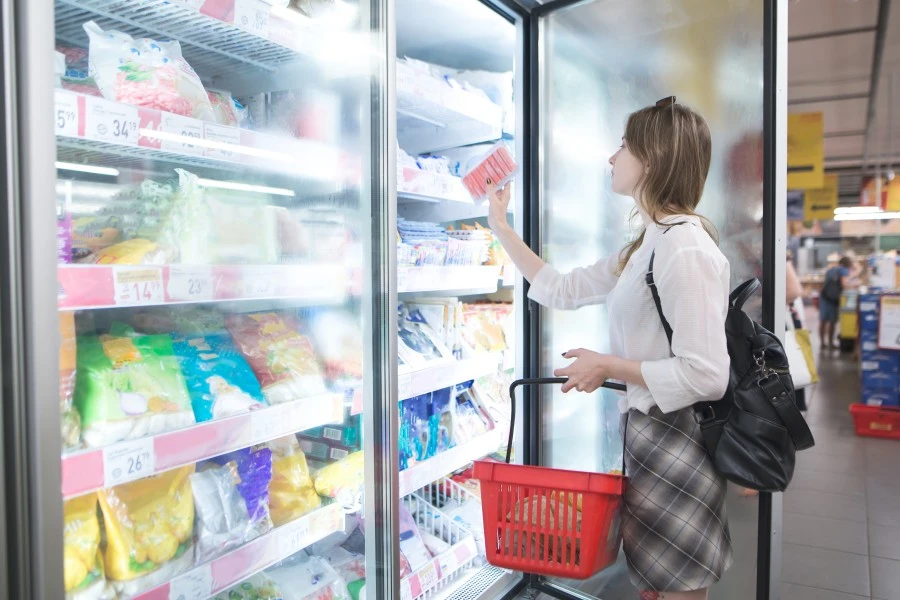
Within the frozen food aisle, this shift is increasingly visible, with companies like Nissin Foods beginning to rethink how convenience meals are formulated.
For years, “fresh” has dominated the health narrative, associated with quality and nutrition. But functionally, fresh food can be variable and fragile, while frozen food is more controlled and stable.
Historically, frozen food offerings have been considered cheap, convenient, quick, and often nutritionally weak, but a new model shows how the frozen segment can now offer precisely controlled portions, nutrient density, and long shelf life without preservatives — aligning closely with the growing demand for more efficient, consistent nutrition.
GLP-1s trigger “precision eating” mindset
GLP-1s are accelerating a “precision eating” mindset, bringing greater focus to protein, fiber, and overall nutrient density within smaller portions. But they are not the only factor pushing nutrition to the center of the plate — a much larger population of consumers is seeking more nutritional value from every meal, whether or not they are using drugs like Ozempic, Mounjaro, or Wegovy.
With the number of people using GLP-1 medication rising, the F&B industry is undergoing a major transformation. While many established brands are preparing for potential declines in demand and pressure on some legacy product lines, Nissin is taking an innovative and proactive route with this transition. The company is not moving away from its core business of instant noodles, but the new Kanzen Meal product line marks its first major move in frozen prepared meals.
With Kanzen Meal, the company is building on its food science expertise to meet the growing demand for nutrient-dense, portion-controlled comfort foods. The new range delivers up to 24 grams of protein and 10 grams of fiber to combat common side effects from taking GLP-1s, such as muscle loss and digestive slowdown.
Nissin Foods, which describes itself as the inventor of instant noodles and is best known for launching Cup Noodles in 1971, is now using Kanzen Meal to expand beyond its legacy formats into a new generation of meals designed around nutrient density, portion control, and evolving consumer expectations for everyday nutrition.
Modern eating patterns
Kanzen Meal (Kanzen is Japanese for “complete” or “balanced”) recently led a specialized workshop on the evolving GLP-1 market and a live kitchen demonstration at Future Food-Tech San Francisco 2026.
We speak with Robert Little, CEO and president of Kanzen Meal USA, to better understand the brand’s positioning and the strategy driving its development.
“This is a material and intentional pivot for Nissin. For decades, we’ve led the global food industry by delivering convenient, affordable meals people genuinely enjoy eating. Today, we’re evolving that legacy to meet a broader shift in consumer expectations toward nutrient density, functional benefit, and delicious comfort foods,” he tells Food Ingredients First.
“While GLP‑1 medications have accelerated awareness, our focus extends well beyond that segment. Kanzen Meal represents a strategic move toward designing foods for a much larger population of consumers who want more nutrition from every bite, regardless of whether they are using GLP‑1s. In practice, this means building products around nutrition efficiency and culinary satisfaction, not restriction or medicalization.”
Little says Kanzen Meal products address the “nutrient gap” for individuals who are reducing calorie intake on GLP‑1s. “GLP‑1 consumers are a relatively small, albeit fast‑growing segment, but their rapid adoption has brought widespread attention to an issue that affects many consumers — nutrient dilution in the modern diet. We view GLP‑1 usage as an accelerant of understanding rather than the sole reason for change.”
“We address this by delivering nutrient‑dense, complete meals in portions that align with modern eating patterns, whether driven by GLP‑1s, weight management goals, active lifestyles, or simply a desire to eat better. Importantly, we’re designing comfort foods people already love — made more nutritionally complete, not less enjoyable,” he says.
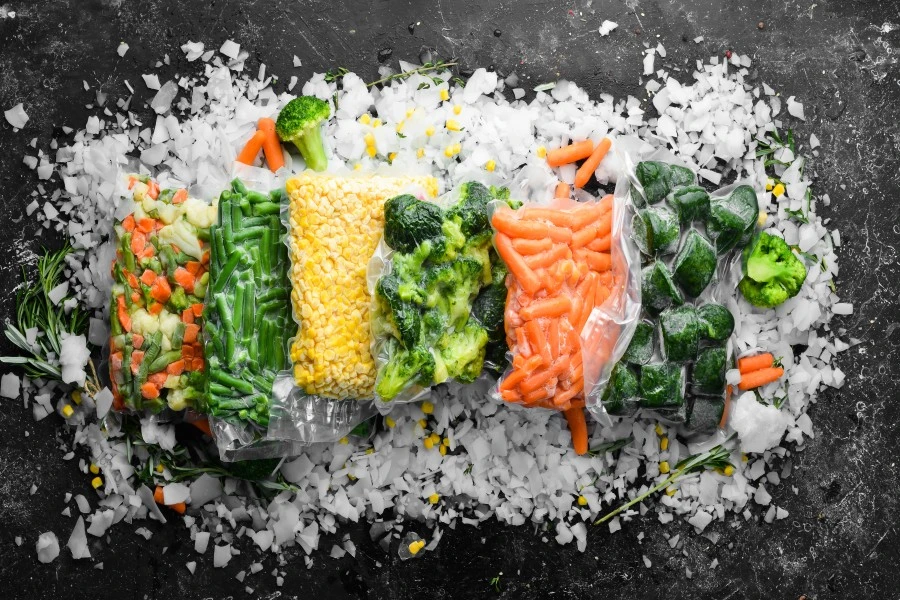 The frozen food category is evolving from a low-calorie, convenience-led segment to one that is focused on functional nutrition and calorie efficiency.
Frozen meals that optimize nutrition
Little highlights the company’s “nutrition‑first, cuisine‑led approach,” further emphasizing how each Kanzen Meal is formulated to provide a balanced profile of protein, complex carbohydrates, healthy fats, fiber, and all 27 essential vitamins and minerals, while still delivering familiar, comforting flavors.
“The frozen aisle is becoming a destination for functional, nutrient‑dense comfort foods, not just convenience. GLP‑1 users have influenced demand for smaller portions and higher protein, but the broader shift is toward meals that deliver more nutrition per calorie for everyone. Frozen allows us to preserve nutrient integrity and culinary quality, ensuring consistency, taste, and texture.”
“Our focus is nutrient density per calorie, so whether someone is eating less due to GLP‑1s or simply choosing smaller portions, they can still meet meaningful nutritional needs without giving up the foods they enjoy.”
Nutrition and culinary challenges
Ensuring nutritional completeness in F&B products comes with difficulties, flags Little.
“The challenge was ensuring that nutritional completeness enhanced, rather than detracted from, the eating experience. Many essential nutrients introduce bitterness or off‑notes if not handled carefully. Instead of compromising, we leaned into culinary exploration using global flavor profiles, seasoning depth, and texture contrasts to make meals feel indulgent and comforting.”
Kanzen Meal uses proprietary manufacturing technology to deliver high-quality, nutrient-dense meals crafted with Japanese culinary precision. Its nutrient masking technology is a multi‑layered system that manages how nutrients interact with taste and aroma during consumption.
“Through encapsulation, controlled release, and ingredient sequencing, we minimize sensory interference while preserving nutritional effectiveness,” Little continues. “This matters because Kanzen Meal is designed for everyday eating, not short‑term intervention. Whether someone is on a GLP‑1 medication or simply focused on eating better, food must be enjoyable and comforting to sustain long‑term habits.”
What is emerging is not just a healthier version of frozen food, but a redefinition of the category around nutritional efficiency — how much value each meal can deliver within a smaller portion, he says.
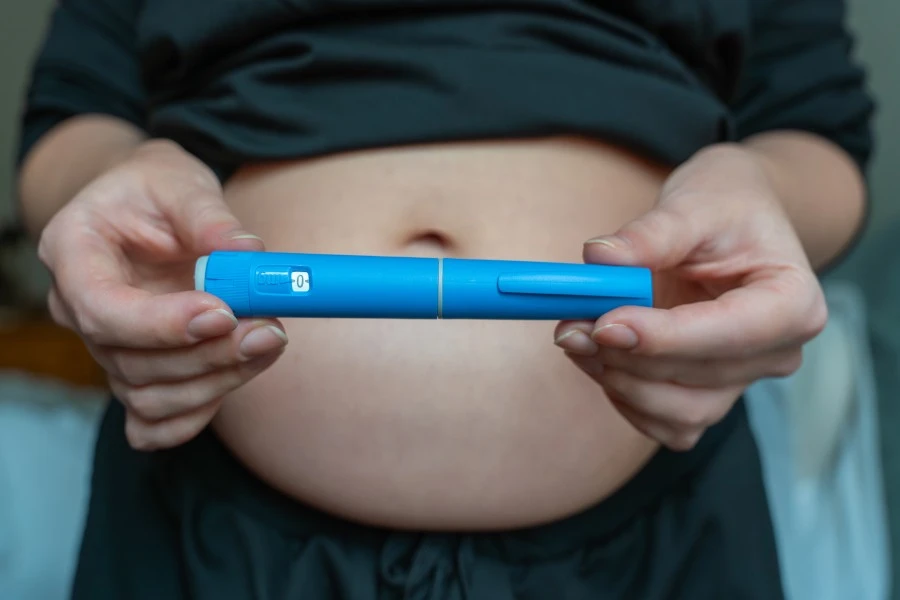 While the frozen category was already shifting toward nutrient-dense food, the increased adoption of GLP-1 weight loss medications is accelerating the trend.
The future of health-focused frozen foods
Little agrees the next phase of frozen food innovation will be defined less by format and more by function. No longer just about convenience, frozen food is increasingly becoming a vehicle for delivering intentional, nutrition-focused meals at scale.
“Kanzen Meal is a platform, not a single product line. We’re expanding into new comfort food formats, global flavors, and eating occasions, all anchored in the same principle — deliver the nutrient density people need through foods they already enjoy.”
“Our long‑term vision is to help redefine frozen food as a category where nutrition, pleasure, and everyday convenience coexist, supporting a much broader population than any single health trend,” Little concludes.