





I don’t want to sound smug, but I’m someone who quietly prides myself on my diet. Whenever I speak to nutritionists, doctors or skin experts (which is often, given the nature of my job), I tend to describe it as “very healthy” – like a slightly over-eager student waiting for praise. I cook 90 per cent of my meals from scratch, always read ingredient labels, buy organic where possible, and am on first-name terms with my local butcher.
That said, I know when not to sweat the small stuff – and a family-sized Dairy Milk is (on occasion) fine. If this were a school report, I’d be hoping for an A*. I also know it helps that I have zero dietary requirements and will happily eat most things – but there is one area that remains off limits, and that’s offal.
While our ancestors ate nose-to-tail (my grandma still recalls her regular helpings of liver and onions growing up), outside of chicken liver patê, it really doesn’t appeal to me. As a meat eater, I know this is a squeamish double standard, but it’s one many others share, I suspect. Which is perhaps why, when my algorithm began relentlessly serving me adverts for powdered organ supplements, curiosity eventually got the better of me.
What are organ powders – and why is everyone talking about them?
Often marketed as “nature’s multivitamin”, organ powders are typically made by freeze-drying animal organs – most commonly liver, heart and kidney – into a fine powder that can be added to smoothies, or taken in capsule form.
Sounds gross, perhaps, but it does make sense. “Organ meats have historically been some of the most nutrient-dense foods humans consumed, but they’ve largely disappeared from modern diets,” says nutritionist and author of The Hormone Handbook, Jessica Shand. “When you look at the nutritional profile, organs like liver, heart and kidney are incredibly rich in bioavailable nutrients including vitamin A, B12, iron, zinc, selenium and choline – many of which play key roles in energy production, immune health and hormone function.”
Because these nutrients come from whole foods rather than isolated compounds, she explains, they’re also easier for the body to absorb. “This is why people sometimes describe them as ‘nature’s multivitamin’ – you’re getting a broad spectrum of vitamins, minerals, amino acids and cofactors in a form the body recognises and can utilise efficiently.”
It’s a compelling pitch and one that has clearly struck a chord. Organ supplements are currently enjoying a TikTok-fuelled surge, with claims spanning everything from improved energy and hormone balance to clearer skin and better hair growth.
Naturally, I wanted to see what would happen if I tried them for myself.
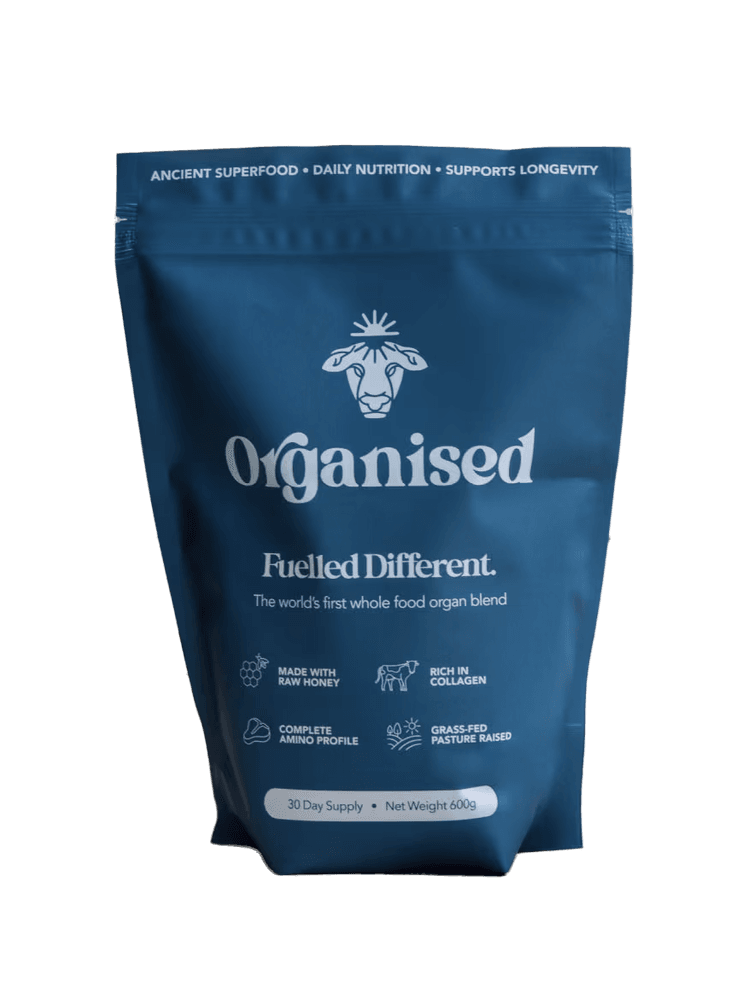 What happened when I drank organ powder
For a month, I added a daily scoop of powdered organ blend from Organised to my morning routine. The first thing I noticed? The smell. Pungent doesn’t begin to cover it. There was no world in which I’d be drinking this blended with water or milk alone, so I improvised: half a banana, half a scoop of my go-to WelleCo protein, plus a heaped tablespoon of Naturya’s cacao maca flaxseed blend for an extra chocolate hit. The result was surprisingly drinkable, and from there, it became an easy daily habit to stick to.