




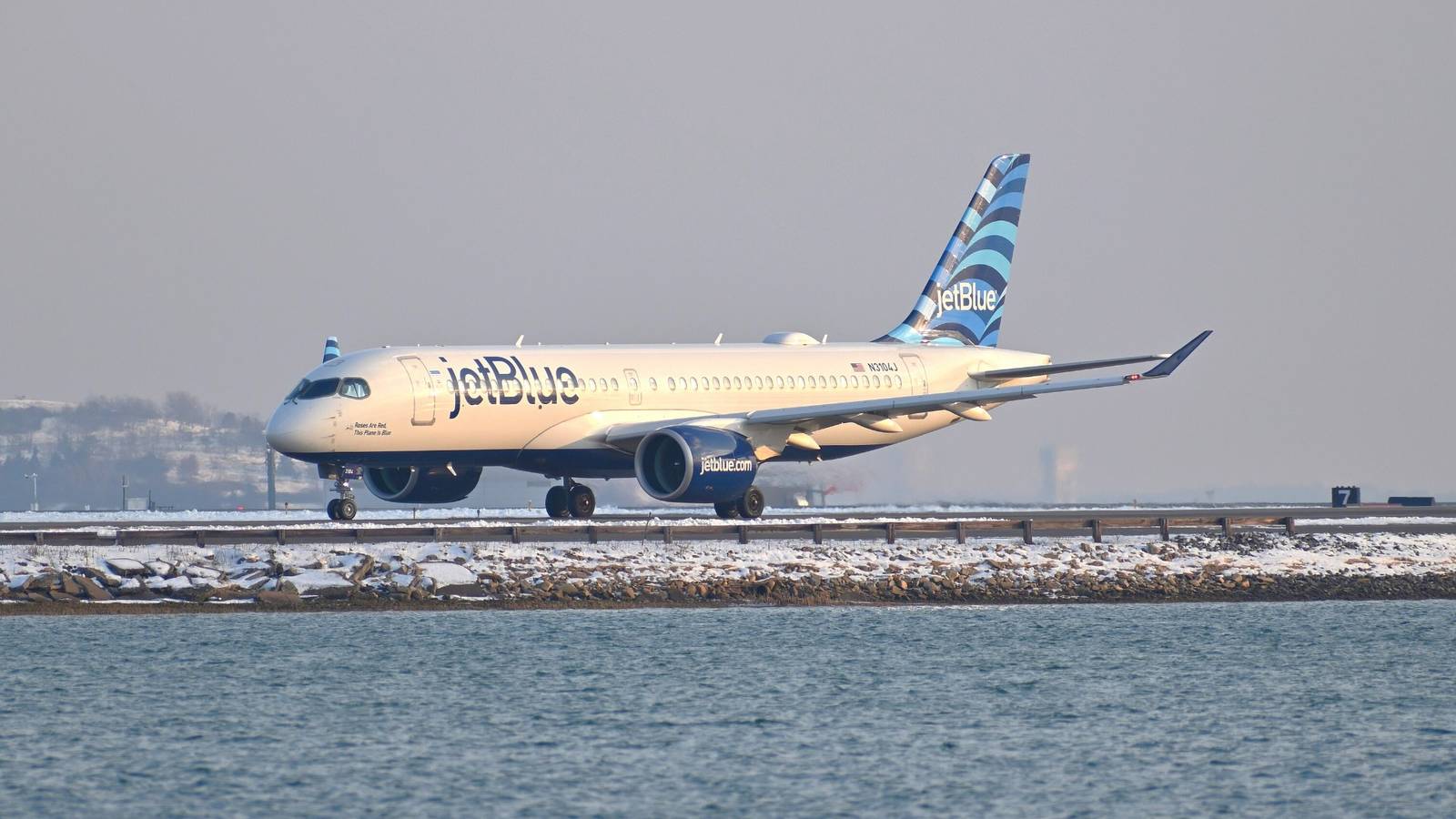
JetBlue has requested an exemption from the Federal Aviation Administration of the United States of America after learning that Airbus would not be able to meet the regulatory body’s deadline concerning the installation of secondary cockpit barriers on the A220. The carrier represents a considerable proportion of the A220’s US footprint, and is hoping to be granted another year in which to get its aircraft up to regulatory standards.
Secondary cockpit barriers have long been a hot topic in US aviation, particularly since the 9/11 attacks exposed the vulnerabilities of contemporary flight deck safety systems in 2001. However, it is only in recent years that the FAA has officially mandated the installation of secondary barriers to reduce the risk.
Exemption Requested
Credit: Shutterstock
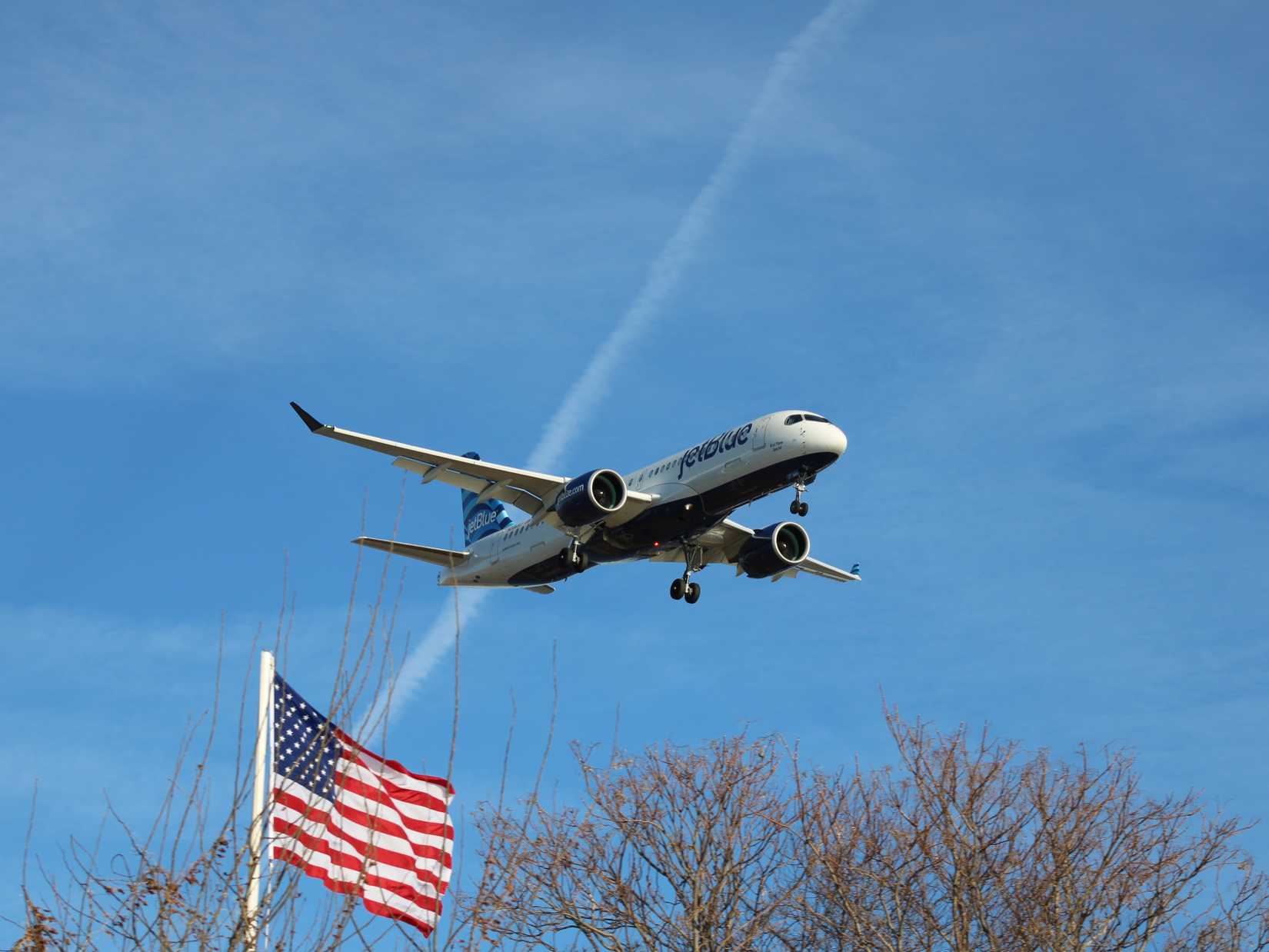
As reported by Aero News, Airbus has told US regulators and airlines that it will not be able to meet the FAA’s deadline for installing secondary barriers on the A220, which is currently set at July 31, 2026. The European planemaker has pointed to certification delays and supplier constraints as major reasons for the holdup, with the need for airlines to put aside 210 days for training and other compliance procedures also playing a key role.
As such, JetBlue, a leading US A220 operator, has requested a one-year exemption from the FAA, whereby it would instead be given until July 31, 2027, to get its jets up to scratch. This would prevent it from having to take these aircraft out of service, and temporarily allow the jets to continue flying even without the mandated secondary cockpit barrier. A similar exemption was recently granted regarding Horizon Air’s Embraer E175s. Airbus said.
“Certification of the A220 [secondary barriers] has extended beyond original projections, pushing closer to the July 31st deadline. The installed physical secondary barrier supplier’s production capacity (…) is deemed insufficient to meet [the deadline].”
Credit: Shutterstock
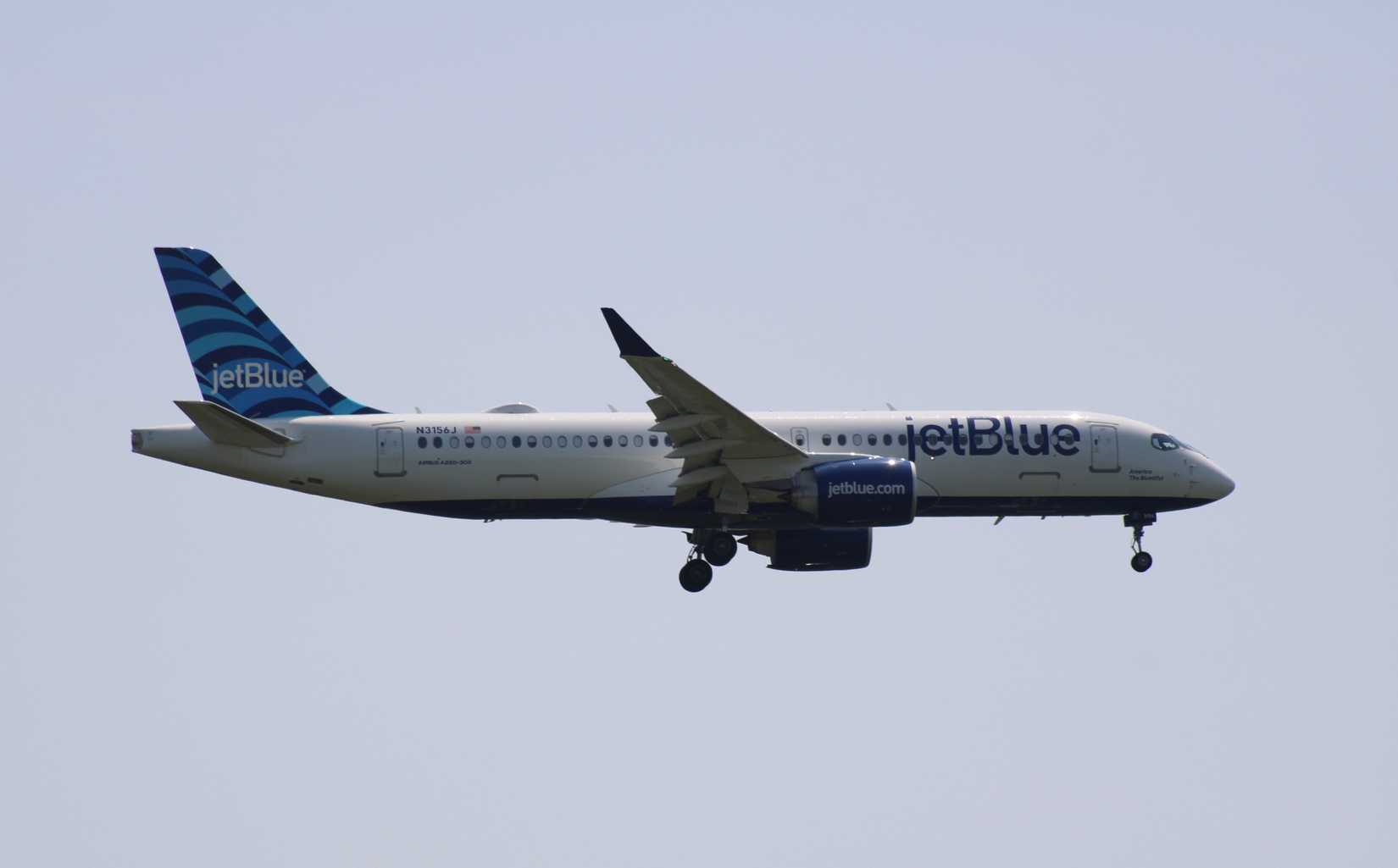
As one of the main US operators of the Airbus A220, it is only natural that JetBlue, in particular, is seeking an exemption on this front in order to ensure that it does not have to ground a large part of its fleet. According to present data made available by ch-aviation, the New York-based hybrid carrier has a grand total of 62 units of the larger Airbus A220-300 model at its disposal (plus 38 on order), accounting for over 21% of its 292-strong fleet.
This makes it the largest operator of the A220-300 in the US, although low-cost startup Breeze Airways isn’t far behind, with 54 examples in its fleet (plus 43 on order). Meanwhile, Atlanta-based US ‘big three’ legacy carrier and SkyTeam founding member Delta Air Lines currently has 38 A220-300s (plus 62 on order). When combined with its 45 units of the smaller A220-100 model, this makes Delta the largest A220 family operator in the US.
According to current scheduling data made available by Cirium, an aviation analytics company, May 2026 will see a grand total of 23,576 departures from US airports using jets from the A220 family. Of these, Delta accounts for 8,872 (4,787 with the A220-100 and A220-300), followed by 6,996 with JetBlue’s A220-300s and 6,561 with Breeze’s A220-300s. Air Canada is the only non-US operator flying the A220 from the US, with 1,147 services.
Related
Why The Airbus A220 Is Becoming More Attractive To US Airlines
The aircraft efficiently caters to a unique segment of the market.
Secondary Cockpit Barriers Are A Hot Topic In Modern Aviation
Credit: Shutterstock
The 9/11 terrorist attacks in 2001 were a considerable wake-up call when it came to the ability of hijackers to gain access to an aircraft’s cockpit during the course of a flight. Despite the deadly consequences of these attacks and the obvious nature of the issue at hand, it took more than two decades for secondary cockpit barriers to become mandatory on commercial aircraft. Indeed, as Simple Flying reported at the time, this only happened in 2024.
Since then, carriers have been working to ensure that their planes meet these new standards, with Southwest having reached a key goal on this front in August 2025 when it introduced its first Boeing 737 MAX 8 with a secondary cockpit barrier. This aircraft was one of around 25 to join the airline last year with this system. Still, the FAA has already had to extend the installation deadline once before as airlines look to balance practicality and safety.