




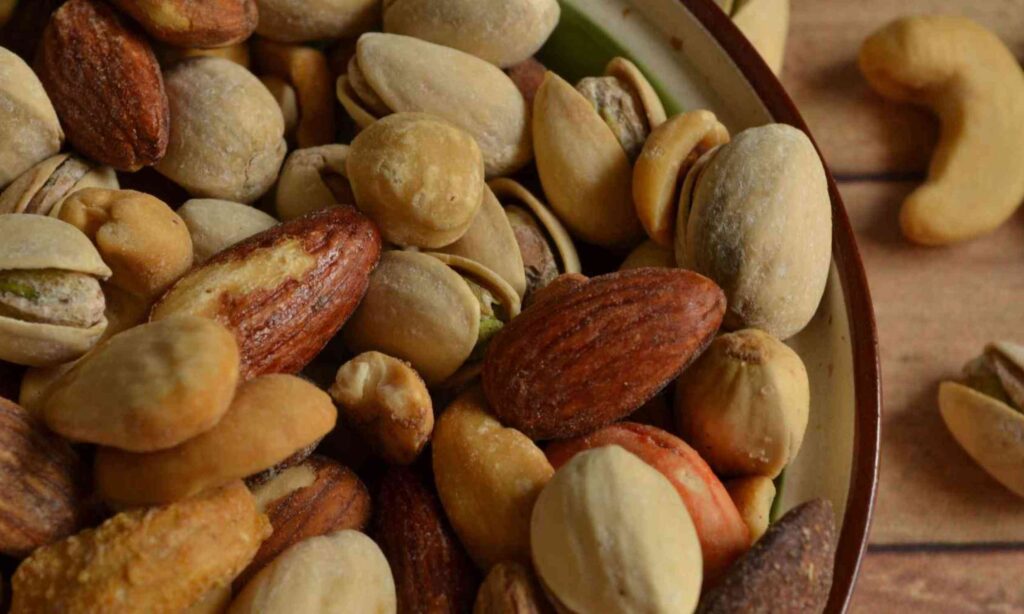
Daily almond snacking could change gut microbes, blood chemistry, immune signals, and hunger-related hormones. To test this, a study was conducted in 15 adults over a period of four weeks.
The data shows that a handful of nuts can affect more than just hunger, and without adding calories.
Inner workings of the experiment

In a controlled feeding trial, stool and blood samples captured the biological changes that followed daily almond snacking.
By reading those samples, Ravinder Nagpal at Florida State University (FSU) connected almonds with measurable gut and blood changes.
Because the calorie count remained steady, this 1.5-ounce snack swap, and not extra food, showed a stark contrast.
This data creates room for larger, longer tests in everyday kitchens outside tightly managed menus.
Microbes are swift to respond
It was revealed that a helpful gut bacterium called Faecalibacterium prausnitzii, which makes anti-inflammatory fuel, increased with almonds.
That microbe helps transform fiber into butyrate, a fatty acid that feeds colon cells and supports the colon lining.
Other bacteria linked with less favorable gut patterns fell, showing that almonds affected a whole community, not one lone species.
Still, the wider variety of bacteria did not significantly change, so the effect looked targeted rather than disruptive across the gut community.
Quiet chemistry on the move
Small metabolites, molecules made during digestion and cell work, changed in stool and blood without requiring a major dietary overhaul.
Almonds raised sugar building blocks from plant cell walls, while amino acids, protein building blocks, fell as microbes appeared to use them.
In blood, 3-hydroxybutyrate, a ketone made when fat breaks down, showed increase after the almond period.
Such chemistry points to a mild ketosis-like effect, where fat use leaves measurable chemicals.
Inflammation signals fell
Several inflammation markers, blood signals that rise when body defense pathways stay active, dropped after the almond period.
Lower readings included signals tied to tissue stress, which means immune activity was eased.
One marker rose, showing that the pattern was mixed, and not a mere blanket shutdown of the immune system.
That matters, because a slightly inflamed state often travels with excess weight and daily health strain.
Appetite hormones increased
Appetite biology also changed and increased, as shown by a glucagon-like peptide-1, a gut hormone that helps control post-meal blood sugar.
Peptide YY, another fullness hormone, increased as well, sending stronger signals through the body that food has been received.
This aligns with the nutritionist view that almonds satisfy because they package fat, fiber, and protein together.
The combination of fat, fiber, and protein in almonds helps increase fullness and keep people satisfied for longer periods.
Effectiveness of almonds
A 1-ounce serving of almonds offers roughly 164 calories, six grams of protein, and about 3.5 grams of fiber.
Fiber reaches gut bacteria partly intact, giving microbes material to ferment into compounds that can influence gut lining over the span of several hours.
Magnesium supports normal blood pressure and blood sugar control, while vitamin E helps protect cells from everyday chemical wear.
Portion size still counts, because nuts are dense and can add calories quickly when eaten by the handful.
Small study, careful reading
Evidence from 15 people can reveal a pattern, but it cannot create concrete evidence across the board.
Stool testing entered the project partway through data collection, reducing the final gut-bacteria group.
Sex differences appeared in some bacterial and chemical signals, yet the trial was too small to explain them.
Funding came from the Almond Board of California, a grower trade group, and authors reported no funder role in design or analysis.
Benefits of almonds as a snack
For people choosing snacks, almonds offer a practical option that affects several systems inside the body.
Chewing whole nuts slows eating, while fiber and fat delay digestion in a way that makes people feel full longer.
Replacing refined snacks also changes what gut bacteria can receive, because plant cell walls carry fuel processed foods lack.
That replacement idea matters more than adding almonds on top of an already calorie-heavy day.
Future directions for nut-eaters
Larger trials should test whether the same pattern holds across age, sex, race, medication use, and health status.
Longer follow-up could show whether microbial changes persist after people return to their usual diets.
Researchers also need clearer measures of colon lining health, because stool chemistry only shows part of the processes inside the body.
Until then, almonds serve as a useful swap, but do not offer a complete remodel for holistic health.
The measured takeaway
A familiar handful of nuts could change the way bacteria, metabolites, inflammation signals, and fullness hormones are understood.
Results show that smarter snacking habits can have positive, long-term effects, but are only part of the bigger picture.
The study is published in Science of Food.
—–
Like what you read? Subscribe to our newsletter for engaging articles, exclusive content, and the latest updates.
Check us out on EarthSnap, a free app brought to you by Eric Ralls and Earth.com.
—–