




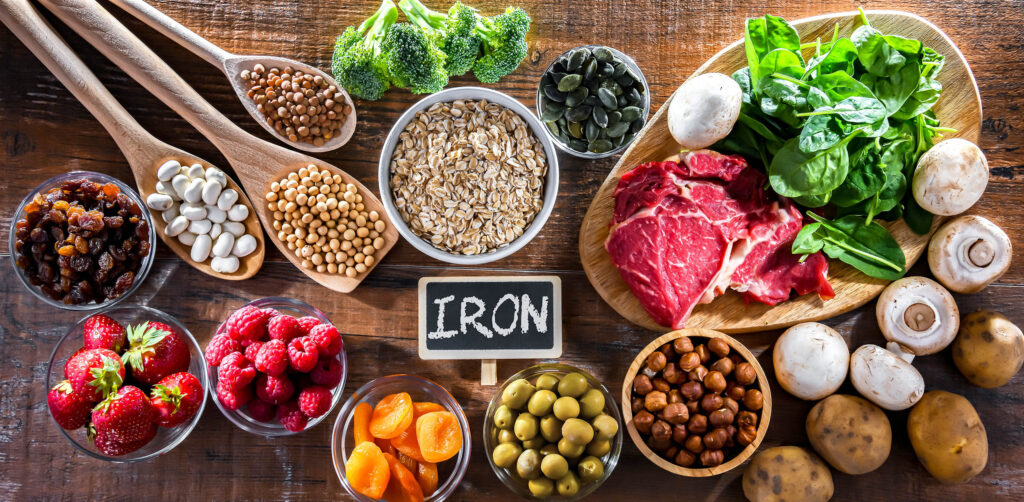
A recent study investigated whether natural, plant-based supplements could effectively treat iron-deficiency anemia as an alternative to synthetic iron pills, which often cause stomach upset.
Researchers report that the natural supplements used in the study raised blood oxygen levels in adults with anemia within 60 days, while adding vitamin C did not see marked improvement.

The finding complicates a familiar supplement rule, showing that iron absorption, blood recovery, and tolerability do not always move in lockstep.
Blood evidence changed
Inside a 96-person clinical trial, researchers tracked blood markers before and after daily capsules to see whether plant iron changed anemia signals.
By comparing those markers, Maheshvari N. Patel at NovoBliss Research Private Limited showed that plant iron moved several anemia signals in measurable ways.
Patel’s team tested curry leaf iron alone and with amla vitamin C, keeping the focus on whether the added vitamin changed the same blood response.
Because a third group received inactive lookalike capsules, the trial could separate supplement effects from improvements caused by time, diet, or study attention.
Low blood iron and anemia
Low iron can cause iron-deficiency anemia, a condition where blood cannot carry enough oxygen to meet daily demands.
Hemoglobin, the iron-rich protein inside red blood cells, drops when the body lacks enough usable iron.
When levels fall, muscles and the brain receive less oxygen, so fatigue, weakness, and poor focus can follow.
Global data from the World Health Organization (WHO), show anemia affects 30% of women ages 15 to 49.
Testing plants for iron deficiency
Daily dosing kept the experiment simple: one capsule after a meal for 60 days, with routine blood checks along the way.
Each active capsule supplied 18 mg of plant-based iron, while the blend added 90 mg of vitamin C.
A total of 86 participants completed the trial, after ten were lost to follow-up before the final visit.
Keeping group assignments hidden protected the comparison because volunteers and study staff did not know who received iron, the blend, or placebo.
Vitamin C’s role
Vitamin C helps plant iron enter the body by changing non-heme iron, plant and fortified-food iron, into a more soluble form.
That change makes iron easier for the small intestine to absorb, especially when a meal contains compounds that block uptake.
In Patel’s trial, serum iron, iron in blood fluid, rose more clearly with the blend than with iron alone.
Yet hemoglobin improvement did not follow the same clean pattern, which is where the simple supplement advice starts to wobble.
Checking the numbers
Hemoglobin levels rose by about 13% with iron alone and 8% with the blend, while the placebo group saw a smaller increase of about 7%.
Iron stores in the body increased in both supplement groups, but the change was not strong enough to rule out normal variation.
Proteins that move iron through the bloodstream dropped in both active groups, a pattern that usually means the body is using iron more efficiently.
Results from a larger 440-person trial point in the same direction, showing that iron alone can perform just as well as iron paired with vitamin C.
Comfort also mattered
Comfort mattered because a 2015 meta-analysis, a pooled review of 43 trials, found ferrous sulfate raised gut side effects.
This common iron pill ingredient can irritate the gut when unabsorbed iron lingers, causing nausea or constipation.
In the plant-based trial, everyone taking the supplements reported good to very good digestive comfort, and the blend showed a slight edge for constipation relief, 93.33% compared with 89.29.
Such reports cannot replace lab results, but they explain why tolerability can decide whether a supplement actually gets used.
Safety needs context
No adverse events, harmful side effects, occurred during the 60-day trial, and routine blood, urine, kidney, liver, and metabolic markers stayed stable.
Still, a small trial cannot prove safety for pregnant people, children, severe anemia, chronic disease, or long-term use.
Anyone considering iron should confirm deficiency first, since extra iron can build up and harm organs in some conditions.
Standard medical care also looks for bleeding, poor absorption, or other causes when anemia does not respond as expected.
Limits shape meaning
Small numbers shaped the lesson, since 96 adults started the study and 86 finished it.
Diet also mattered because everyday vitamin C intake was not tightly controlled, so background meals could blur group differences.
Because Orgenetics, Inc., a supplement ingredient company in Brea, California, funded the study and supplied products, independent replication matters.
“Future large-scale, long-term studies are warranted to confirm these findings and further assess the sustained efficacy and safety of various iron supplementation strategies,” wrote Patel and colleagues.
Treating iron deficiency with plants
For readers, the practical lesson is narrow: plant-based iron may help mild to moderate low-iron anemia under clinical guidance.
Diagnosis should come before supplementation because fatigue can stem from sleep loss, thyroid disease, infection, bleeding, or other problems.
Clinicians usually track hemoglobin, ferritin, and other markers so treatment changes the cause instead of only chasing tiredness.
Food still matters, but trial evidence shows capsules, timing, tolerance, and baseline diet can change what looks simple on the label.
Plant iron, vitamin C, blood chemistry, and comfort all pulled in the same direction: treatment works best when matched to the person.
A careful next step would test larger, more diverse groups long enough to see whether early blood gains hold.
The study is published in Cureus.
—–
Like what you read? Subscribe to our newsletter for engaging articles, exclusive content, and the latest updates.
Check us out on EarthSnap, a free app brought to you by Eric Ralls and Earth.com.
—–