




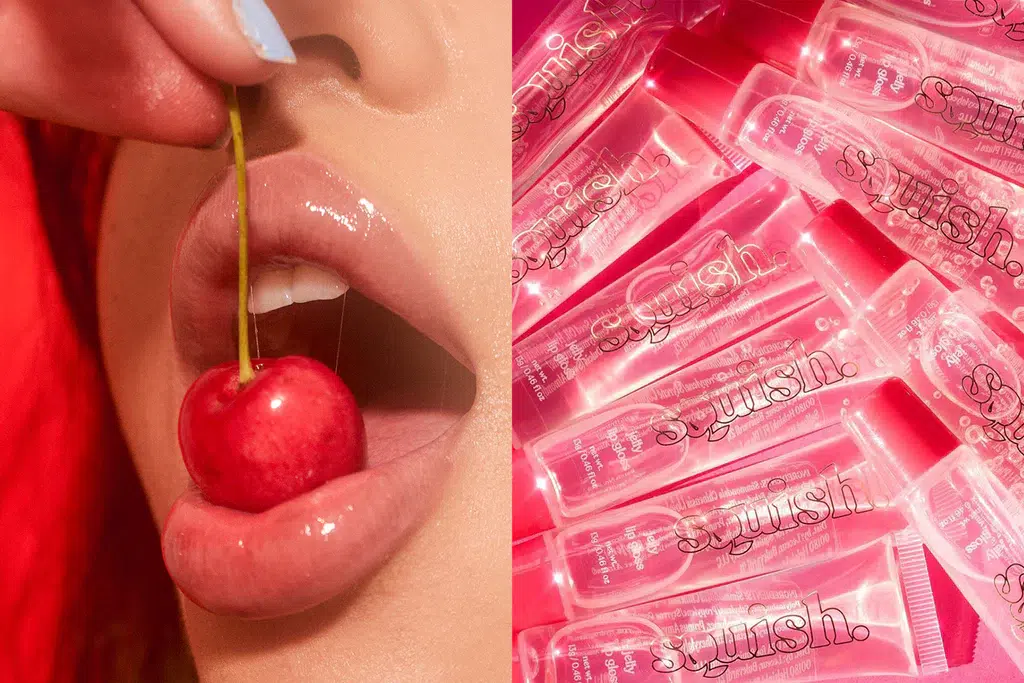
Indie cosmetics brand Squish Beauty is taking on Coty Inc. in a new lawsuit, alleging that the industry heavyweight identified it as a rising brand and then copied its viral lip gloss line in a bid to “unlawfully siphon the significant goodwill” it had built. At the center of the case is not just the similarity between “SQUISH” and Coty’s “SQUISHY” product name, but whether Coty crossed the line by allegedly replicating a broader set of “brand[ing] and aesthetic” cues that Squish says signal the source of its products.
Filed in the U.S. District Court for the Southern District of New York on April 28, the case stems from Coty-owned CoverGirl’s October 2025 launch of its “SQUISHY” gloss line, a directly competing product that co-opts its “brand and marketing aesthetic, look and feel, fonts, images, and packaging.” Squish says that Coty went so far as to use the term “SQUISH” in promotional content in which it characterizes as an attempt to leverage its existing brand recognition.
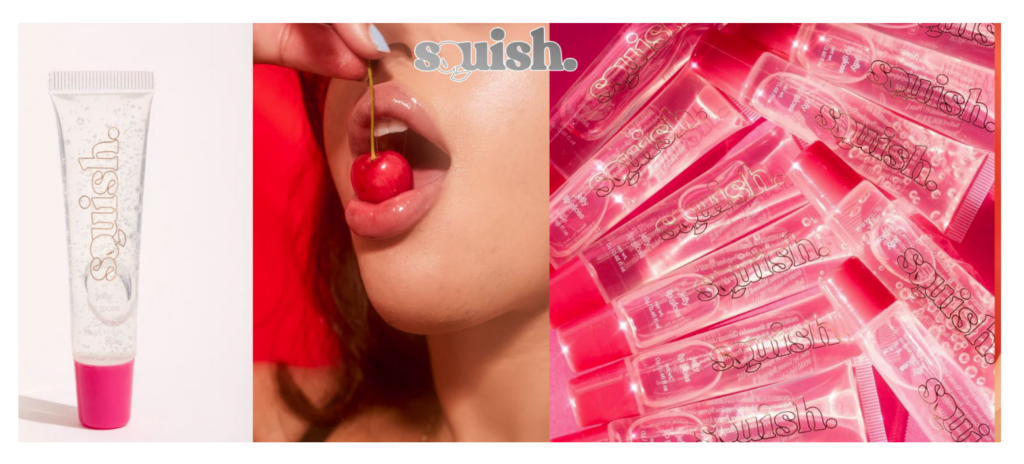
By combining these elements, Squish is not relying solely on a word mark infringement theory but advancing a broader claim that Coty adopted the same overarching brand framework – name, visuals, and messaging – that consumers associate with its products, allowing it to capture attention at the point of discovery.
The Overall Look and Feel
By framing its case around both the SQUISH mark and the surrounding brand elements, Squish puts a couple of key issues into play …
> SQUISH v. Squishy: The first issue of straightforward. Is “SQUISHY” confusingly similar to “SQUISH”? Coty will likely seek to sidestep Squish’s trademark infringement claim by arguing that “SQUISHY” is a commonly used term in the cosmetics space to describe a product’s texture or finish, limiting the scope of Squish’s rights.
> Visual & marketing cues: The second is more expansive: whether the surrounding visual and marketing choices reinforce that similarity in a way that makes the unaffiliated products appear connected. The question is not whether these elements are independently protectable (despite referring to “look and feel,” Squish does not assert trade dress rights in them), but what role they play in helping to establish consumer confusion as to the source of the Squishy products or their affiliation with the Squish brand.
What’s at Stake
Squish’s complaint reflects a common approach in recent beauty (and broader dupe-driven) litigation. Plaintiffs are aggregating multiple, individually weak or unprotectable elements to support a single theory of consumer recognition and confusion. That framing shifts the analysis from isolated elements to how they function together in the market, extending risk beyond a similar name or design to how closely a product aligns across visual identity, messaging, and positioning.
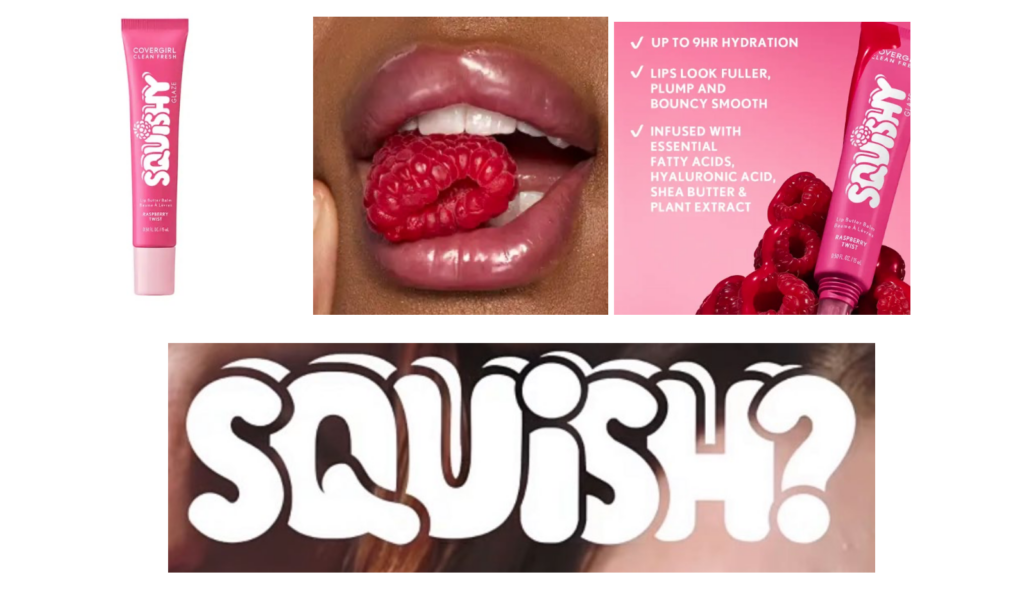
That shift tracks a broader change in consumer behavior. Recognition is no longer driven by brand names alone, but by a combination of visual and contextual cues, including, color, texture, tone, and presentation across social media and retail channels. As a result, brand value – and enforcement – extends to this broader system of identification.
In that context, copying the “look and feel” of a brand does more than create aesthetic similarity; it allows a competing product to operate within the same recognition framework. The closer that alignment, the easier it can be to capture consumer attention and substitute one product for another, particularly in fast-moving, discovery-driven environments.
For the market, this highlights how competition currently operates. Companies are not just competing on products or traditional elements of branding, but on the signals that drive recognition and demand, raising the question of how far can a competitor go in adopting those signals before it begins leveraging the identity another brand has already built and confusing consumers?
THE BOTTOM LINE: This case is not just about whether “SQUISHY” is similar to “SQUISH” in the minds of consumers. It turns on whether the alleged adoption of the same combination of naming, visuals, and marketing cues allows a competitor to step into an existing brand’s position in the market and whether that crosses the line from competition into infringement.
The case is Squish Beauty LLC v. Coty, Inc., 1:26-cv-03503 (S.D.N.Y.).