




 Clipart Korea
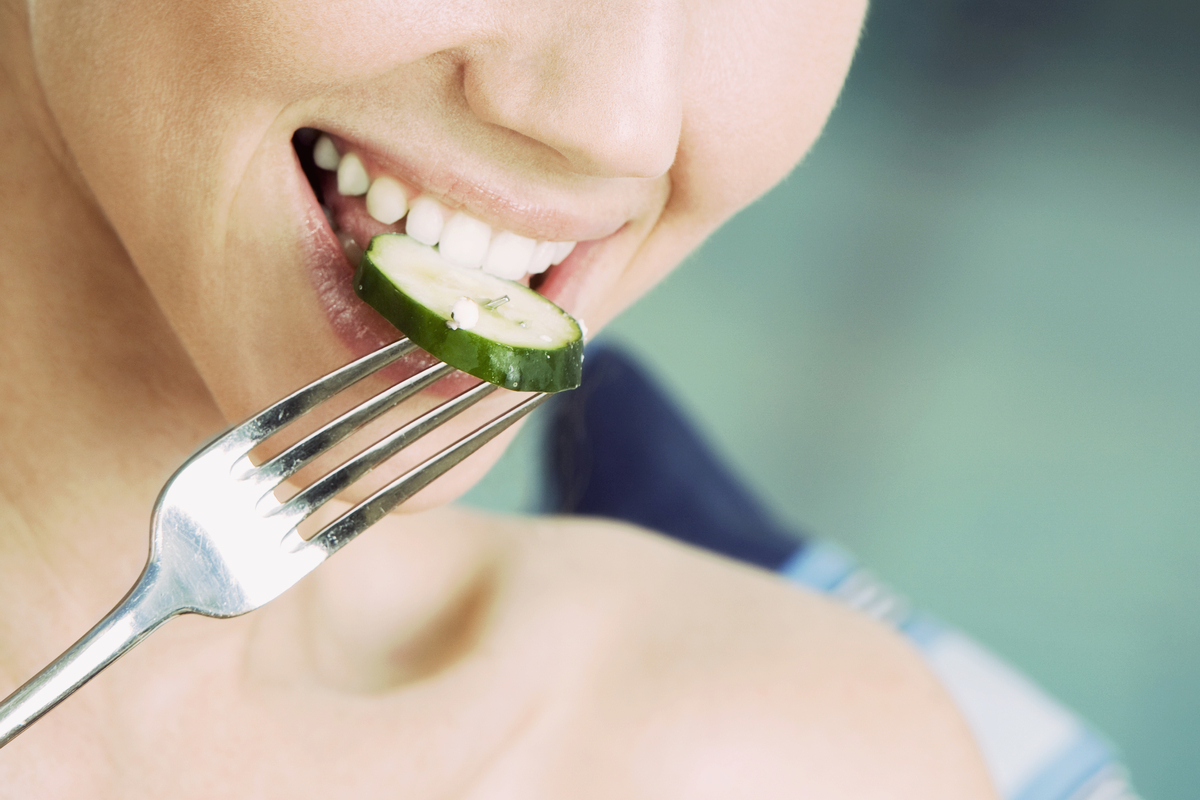
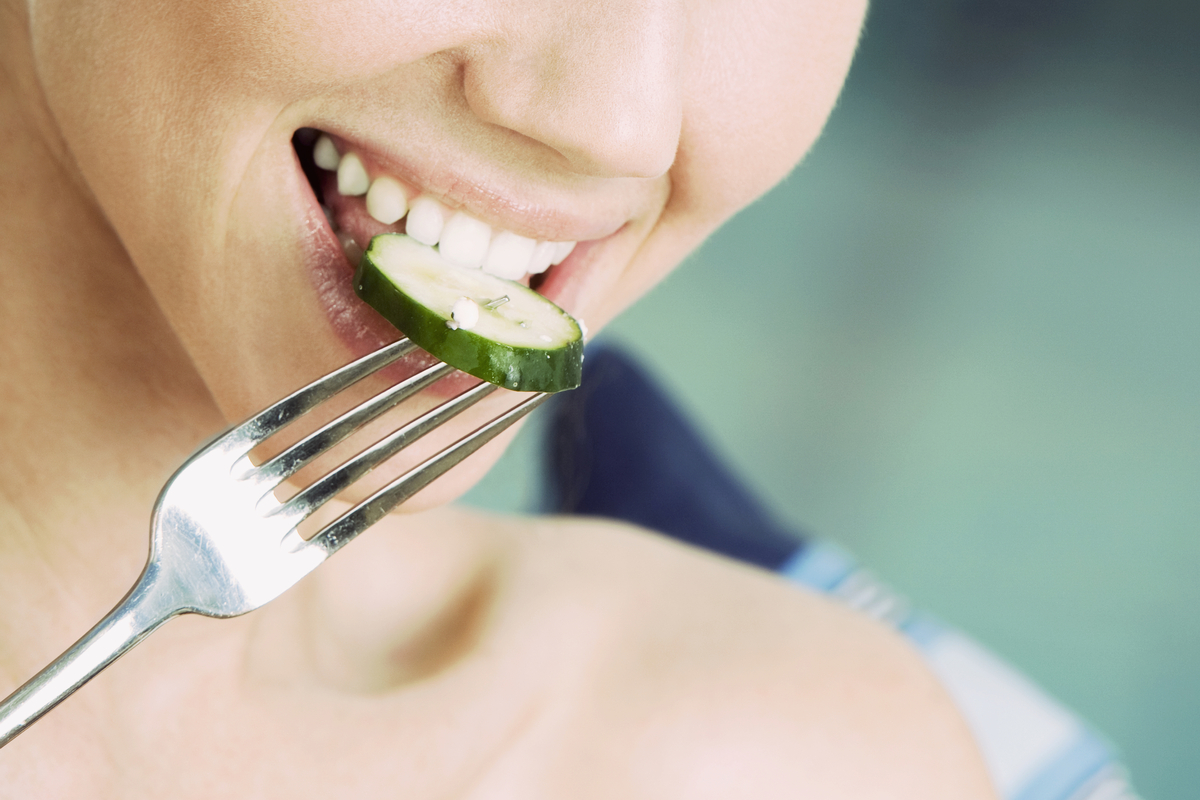
Cucumbers, with a water content of about 95%, are widely regarded as a go-to hydration food. While commonly consumed raw or in salads, sandwiches, and juices, the vegetable is drawing attention for its positive effects beyond hydration, including benefits for immunity, blood pressure, and digestion.
British outlet the Daily Mail recently reported on the specific health benefits of cucumbers in an interview with nutritionist Jenna Hope. According to Hope, cucumbers contain only about 15 kilocalories per 100 grams and have virtually no fat or sugar, while providing key nutrients such as vitamin C, vitamin K, and potassium. Vitamin C supports immune function, vitamin K aids blood clotting and bone health, and potassium helps regulate blood pressure and nerve and muscle function. Cucumbers also contain antioxidants such as flavonoids and lignans, which may help reduce inflammation and slow aging. However, cucumbers are not high in dietary fiber, and most of what they do contain is concentrated in the skin. “Eating cucumbers with the skin on allows you to consume more fiber and antioxidants, and eating them whole is better than juicing,” Hope said.
Evidence supporting claims that cucumbers improve digestion or reduce bloating remains limited. However, cucumbers are classified as a low-FODMAP food, meaning they contain few carbohydrates that irritate the gut, making them relatively easy to digest even for people with irritable bowel syndrome. Their high water content is also viewed as indirectly supportive of digestion.
Research also suggests cucumbers may help manage blood pressure. In a small study by researchers at Sabetha College of Nursing in India involving 60 hypertensive patients, the group that consumed 100 grams of cucumber daily for two weeks saw their systolic blood pressure drop by about 6.9% and their diastolic blood pressure by about 9.8%. The potassium and water content in cucumbers are believed to contribute to blood pressure stabilization. Experts caution, however, that cucumbers should not be viewed as a treatment, and should instead be consumed as part of a balanced diet.
Cucumbers are safe for most people, but some should exercise caution. Those taking anticoagulants should avoid suddenly increasing their intake, as vitamin K can affect blood clotting. The same applies to people who need to limit potassium intake. “At typical dietary levels, the risk of problems from overconsumption is very low,” Hope said.
For added health benefits, cucumbers are best eaten with healthy fats such as olive oil, avocado, or nuts, which can enhance the absorption of fat-soluble nutrients like vitamin K. Preparation methods also affect health benefits. Long fermentation in brine is more effective at increasing beneficial gut bacteria than quick pickling with sugar and vinegar. However, some commercial products may lose beneficial bacteria during heat processing, so consumers should check whether the product has been fermented before purchasing.
“He Looked So Healthy — Why Suddenly?”… What Is This Condition That Endangers Even Seemingly Healthy People?