



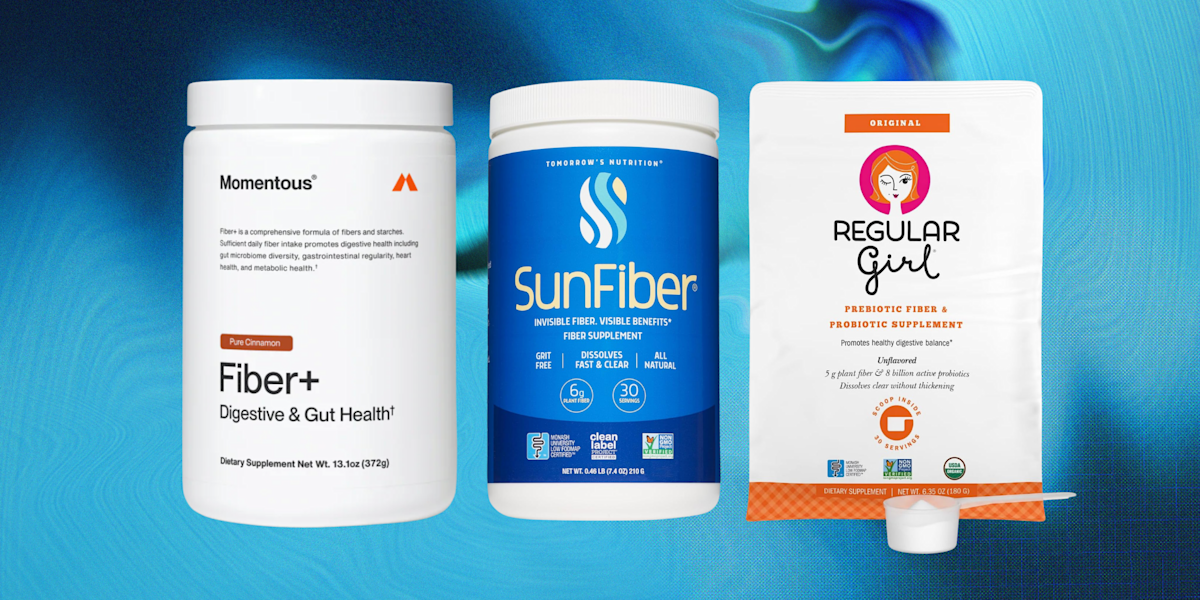
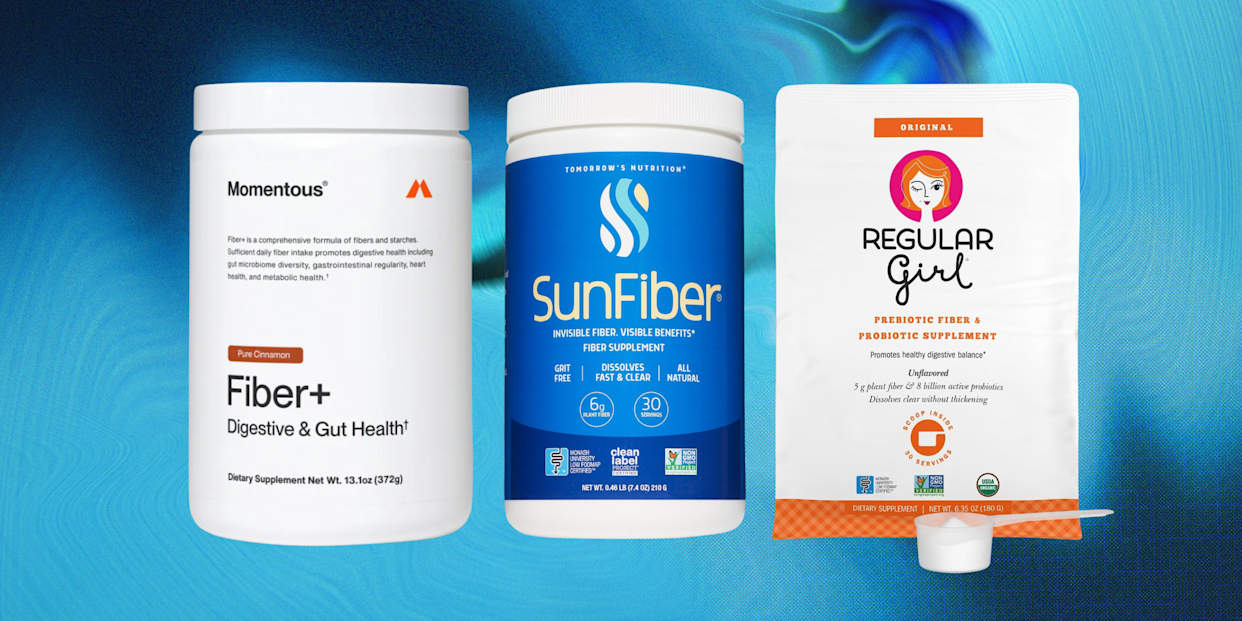
7 Best Fiber Supplements Dietitians RecommendProduct Image Shots
“Hearst Magazines and AOL may earn commission or revenue on some items through these links.”
Most people aren’t getting enough fiber—and your gut feels it. As a registered dietitian, I always recommend starting with food first. But if you’re falling short, a supplement can help fill the gap. Just start low and go slow.
Fiber is essential for digestion and regular bowel movements, but it also supports heart health, helps manage blood sugar and cholesterol, nourishes your gut microbiome, and keeps you feeling full longer.
Our top picks:
But finding the right fiber supplement isn’t always straightforward: There are different types, formulas, and quality standards to consider, and not all products are created equal. That’s where we come in. Our team of registered dietitians at the Good Housekeeping Institute Nutrition Lab reviewed a wide range of options, prioritizing products that are backed by third-party testing and made by trusted brands.
Whether you’re looking to alleviate travel constipation (hey, we’ve all been there), or are seeking a supplement to take regularly (pun intended), ahead you’ll find the best fiber supplements on the market right now selected by our nutrition pros.
Our registered dietitians in the Good Housekeeping Institute Nutrition Lab review and evaluate every single supplement we recommend in accordance with our dietary supplement methodology. We then have a registered dietitian on our Medical Review Board review each article for scientific accuracy. A supplement should do just that: supplement the diet, not replace high-quality, nutritious food and important healthy lifestyle practices. Check with your healthcare provider before starting any dietary supplement regimen.
How we chose the best fiber supplements
Our registered dietitians and health experts in the Good Housekeeping Institute Nutrition Lab use their nutritional expertise to carefully review and vet supplements based on label information and transparency, ingredient quality, and available third-party testing data.
We reviewed over 26 fiber supplements, comparing factors such as fiber type, dosage, serving size, cost, ingredients, and ease of use (including powders vs. capsules). We selected options to suit a range of preferences, dietary needs, and budgets.
We prioritized supplements with credible third-party certifications for purity and potency (such as USP or NSF), along with strong ingredient transparency and manufacturing practices. Because dietary supplements aren’t reviewed by the U.S. Food and Drug Administration (FDA) for safety or effectiveness before they reach the market, it’s important to research each option carefully and speak with your healthcare provider before adding new supplements to your routine.

Hearst Owned
What to look for when shopping for the best fiber supplements
Food first is always the goal when meeting your daily fiber needs. Whole foods don’t just provide fiber, but also come with vitamins, minerals, and antioxidants that supplements can’t fully replace.
That said, fiber supplements can be a helpful backup if you’re not quite getting enough through diet alone. If you do choose a fiber supplement, here are a few key things to keep in mind:
✔️ Form: Fiber comes in powders, capsules, and gummies, so there’s flexibility depending on preference. Powders can be mixed into liquids or food, while capsules and gummies are more convenient but often require multiple servings per day. Always follow label directions and take fiber with plenty of fluid. Some supplements can thicken in liquid, so if you have any swallowing concerns, check with a healthcare provider first.
✔️ Amount: More is not better when it comes to fiber. Even though there’s no official upper limit, increasing too quickly can cause gas, bloating, or cramping. Start low, go slow, and increase water intake as you go. Spreading doses throughout the day can also help tolerance.
✔️ Type and ingredients: Not all fiber supplements are the same—some are soluble, others insoluble, and some contain blends or added ingredients like prebiotics. The best choice depends on your individual goals and tolerance.
✔️ Quality and testing: Because supplements aren’t approved by the FDA before hitting the market, third-party testing can add an extra layer of confidence. Look for seals from organizations like USP and NSF International, which help verify purity and quality. Transparent labeling and reputable manufacturing practices are also good signs.
✔️ Price: Costs vary widely, but a higher price doesn’t always equal higher quality. Focus on ingredients, testing, and brand transparency over price alone.

Hearst owned – Hearst Owned
What is the difference between soluble and insoluble fiber?
There are two main types of fiber—soluble and insoluble—and both are important for overall health. Most plant foods naturally contain a mix of the two, and which one you emphasize can depend on your specific digestive needs.
Soluble fiber dissolves in water and forms a gel-like substance in the gut. “It acts like a sponge and can help bulk up your stool, softening it and making it easier to pass,” says registered dietitian Alanna Cabrero, M.S., R.D.N., C.D.N., founder of Alanna Cabrero Nutrition. It’s also fermentable, meaning it feeds beneficial gut bacteria and supports a healthy microbiome. Soluble fiber can help slow digestion, improve fullness, support blood sugar control, and is linked to lower cholesterol and heart disease risk. You’ll find it in foods like oats, beans, lentils, apples, citrus fruits, berries, and chia seeds.
Insoluble fiber doesn’t dissolve in water and is often found in the tougher, “rough” parts of plant foods. “Insoluble fiber does not dissolve and remains intact as it is digested, thereby helping move bulk through the intestines and promoting regular bowel movements,” explains registered dietitian and pre-diabetes specialist Jackie Topol, M.S., R.D. It helps add bulk to stool and supports regularity by keeping things moving through the digestive tract. Rich sources include whole-wheat products, bran, nuts, seeds, and vegetables such as broccoli, kale, and cauliflower.
Hearst Owned
What are the health benefits of fiber?
Fiber and fiber supplements have been linked to a wide range of health benefits. Here are some of the key areas where it may help:
✔️ Heart healthy: Soluble fiber, in particular, “has been shown to help with lowering cholesterol levels as well as improving blood sugar control,” says Topol. Research suggests that getting at least 25 grams of fiber per day is associated with lower cholesterol and blood pressure, and a reduced risk of heart disease, stroke, and certain cancers. Higher fiber intake is also linked to lower inflammation.
✔️ Bowel regularity: Fiber supports digestion by feeding healthy gut bacteria and adding bulk to stool. “Insoluble fiber does not dissolve and remains intact as it is digested, thereby helping move bulk through the intestines and promoting regular bowel movements,” Topol explains. It’s also associated with lower colon cancer risk.
✔️ Blood sugar support: Because fiber isn’t fully absorbed, it doesn’t raise blood sugar the way other carbs can. Studies show that higher fiber intake (especially from legumes and vegetables) may lower the risk of type 2 diabetes and reduce inflammation.
✔️ Weight management: Soluble fiber forms a gel-like substance that slows digestion. “It slows down digestion and assists the body in absorbing vital nutrients from foods,” Topol says. This can help increase fullness, and studies suggest soluble fiber supplements may support modest weight loss and reduced waist circumference when paired with an overall healthy diet.
Hearst owned – Hearst Owned
Who should avoid fiber supplements?
Fiber supplements can be helpful, but they’re not for everyone. If you deal with bloating or gas, certain fiber supplements may make symptoms worse at first since some fibers ferment in the gut and increase gas production.
“If you are someone who suffers from constipation and has slow motility, adding fiber can fuel the fire if you are not moving your bowels consistently,” Cabrero says. “Fiber is the part of the food that humans do not digest, so what goes in must come out.” And if you have IBS or inflammatory bowel disease (IBD), insoluble fiber (whether from food or supplements) may be more irritating, especially if you’re prone to diarrhea or urgency.
Fiber supplements can affect the absorption of some medications if taken at the same time, including thyroid medications, certain antidepressants, and blood thinners. Spacing them a few hours apart usually helps prevent any issues, so it’s best to check timing with your healthcare provider or pharmacist. And if you have a wheat allergy or sensitivity, avoid wheat-based fiber supplements.
Hearst Owned
Why trust Good Housekeeping?
As director of the Good Housekeeping Institute Nutrition Lab, Registered Dietitian Stefani Sassos, MS, RDN, CDN, handles all nutrition-related content, product testing, and evaluation. She stays up to date on the latest research to provide evidence-based reporting on all things diet and nutrition. Stefani oversees supplement analysis for Good Housekeeping and has evaluated categories including multivitamins, joint health supplements, and vitamin D.
Hearst Owned
You Might Also Like