



Vitamin E is essential for healthy neuromuscular function in horses. It is important for both normal health and prevention of deficiency-associated disease. Vitamin E acts as your horse’s internal bodyguard. When horses exercise, their cells produce free radicals. If those are left unchecked, these unstable molecules damage cell membranes. Vitamin E steps in to neutralize these free radicals, protecting the delicate tissues of the brain, nerves, and muscles.
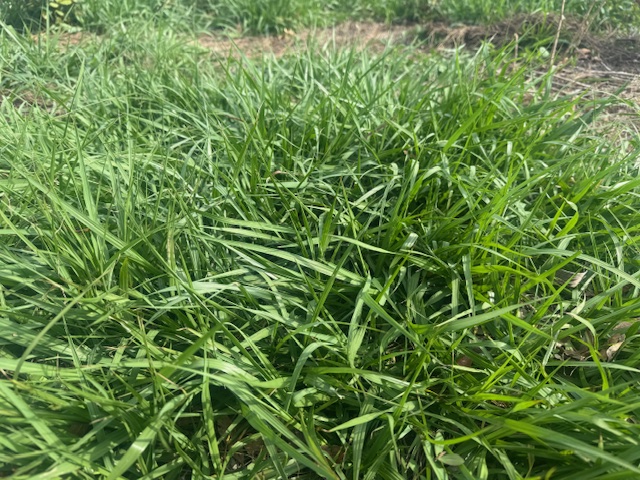
Horses normally obtain vitamin E from forage, with grazing horses ideally receiving about 2,000 IU/day of natural alpha-tocopherol (natural Vitamin E). Deficiency happens with reduced pasture turnout or lack of grass. Vitamin E levels in hay decline markedly with processing and storage. Commercial feeds often contain synthetic vitamin E, which is less bioavailable than the natural form.
Foals with vitamin E deficiency during the first year of life, may develop equine neuroaxonal dystrophy/equine degenerative myeloencephalopathy (eNAD/EDM), a neurodegenerative disease that makes the foal appear uncoordinated and wobbly (proprioceptive ataxia).
Adult horses that are deficient for prolonged periods, 18 months or longer, may develop equine motor neuron disease (EMND), which appears as muscle loss/atrophy and weakness.
Vitamin E is important because it supports normal neuromuscular health, and inadequate intake can contribute to serious neurologic and muscular disorders in both foals and adult horses.
Don’t guess when it comes to your horse’s nutrition. If you suspect a deficiency, ask your veterinarian to pull a blood sample. A simple blood test will reveal your horse’s exact vitamin E levels, allowing you to tailor a precise supplementation plan that keeps their nerves and muscles firing perfectly.
This column is sponsored by Polk Equine, and the opinions expressed herein may not reflect those of CFAN or of its advertisers.
BIO: Dr. Katie Hennessy graduated from the University of Illinois College of Veterinary Medicine in 2008 with a degree in large animal health and equine medicine. She completed an advanced internship at The Equine Medical Center of Ocala and is currently the owner and practicing veterinarian at Polk Equine. She specializes in equine medicine.