

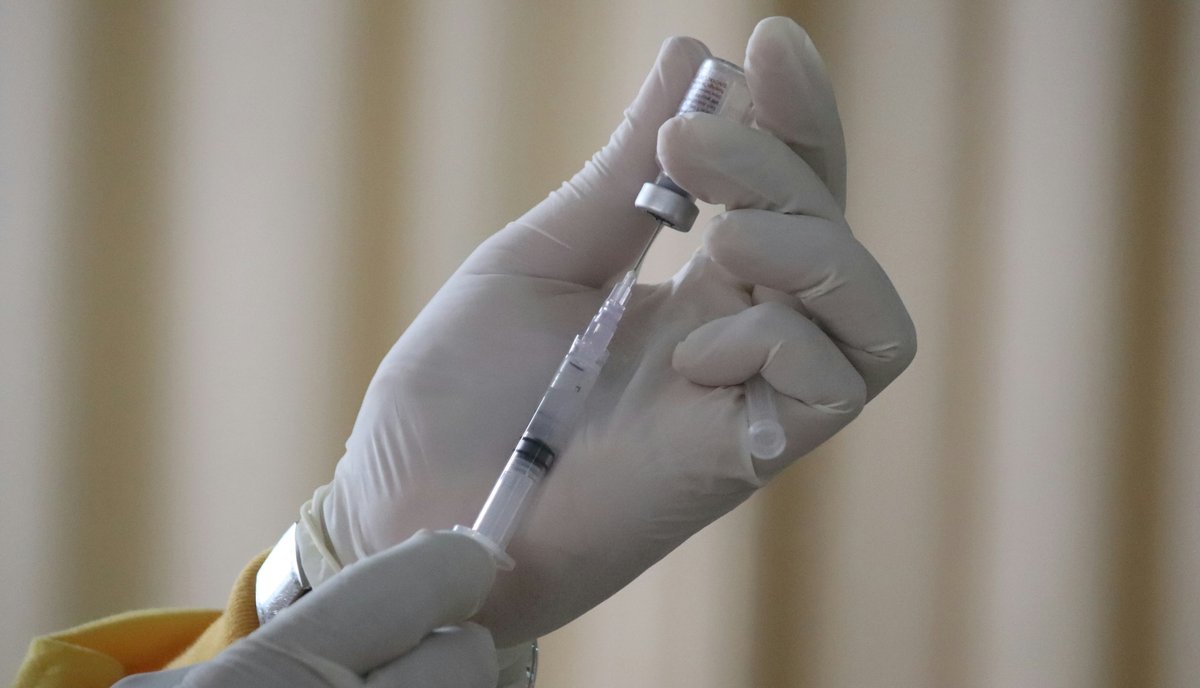
On April 26, 1954, Janice Nichols rolled up her sleeve and became part of the largest vaccine trial in history. That year, 1.8 million first- to third-graders were vaccinated for polio across forty-four U.S. states, Canada, and Finland.
At the time she entered the research study, Nichols was six years old. She had already survived polio herself, and was grieving the death of her twin brother, who had died just days before she contracted the disease in 1953. She and thousands of children like her would come to be known as Polio Pioneers—children who did what they could to help find a solution to this public health menace.
Research shows that confidence in vaccine effectiveness is slipping, despite decades of clear evidence to the contrary. This shift has occurred in part because the stories that once served to build public trust are no longer being heard. Once vaccines became routine, we stopped telling the “before” stories—the fear, the paralyzed children, the summers when pools closed and parents held their breath.
The stories of the Polio Pioneers faded from our collective memory as well. In their place has come misinformation from vaccine opponents, stoking fear. We need to again tell the stories we stopped telling—narratives of healing and relief, when prevention finally arrived.
Stories do something data alone cannot. They draw us in, invite us to see ourselves and think for ourselves—not only about what is true, but why it matters as well. In these polarized times, they build trust allowing us to meet each other as human beings. They build bridges that arguments cannot.
As nurses and founding members of Grandparents for Vaccines, we have witnessed this firsthand. We have sat with people who carry painful memories of polio, measles, and meningitis, as well as the joy that followed. When vaccines arrived, entire worlds reopened. Children returned to schools, swimming pools, and birthday parties. We were part of one of the greatest public health advances of our lifetime.
Vaccines protect children, families and communities through the power of herd immunity. But narratives protect as well, and they give rise to what we have come to call “heard immunity.” Stories have the power to immunize against false ideas. They preserve truth across generations.
The phrase “heard immunity” came to Donna in the middle of the night. It refers to the power of recollections from the past—Janice Nichols’ voice, the grandparents at kitchen tables, the parents who remembered the beforetimes. A question has formed: Where are these stories today, and why aren’t we hearing them?
Heard immunity is easy to achieve. All it takes is telling true stories. When enough members of a community carry and transmit the true stories of what vaccines made possible, something shifts. Not immunity through antibodies, but immunity through narrative. A shared story that interrupts the false story before it takes hold.
Herd immunity through vaccines, heard immunity through stories. Both matter. Both protect.
When trusted messengers, grandparents, friends, and neighbors share their stories, people listen. Many of us still remember life before vaccines, when fear came without a remedy and summers meant dread rather than freedom. They carry in their bodies the remembrance of the moment relief arrived. Holding both the before and the after, they share stories at kitchen tables, community gatherings, or clinics. This is heard immunity in action.
You don’t need a platform or credential to take part in heard immunity. You just need stories and a willingness to share them. Start with presence. Listen before you speak, notice the fear behind the questions, then offer your experience simply: I remember when. Choose your moment—a walk outside or a quiet time after dinner. No debates. Just story meeting story.
Vaccines protect the body. Stories protect the mind.
This column was produced for Progressive Perspectives, a project of The Progressive magazine, and distributed by Tribune News Service.