




As school districts across the country continue to tighten nutrition standards while accommodating a growing range of dietary needs, one Northern California bakery is positioning itself at the intersection of health, accessibility, and taste.
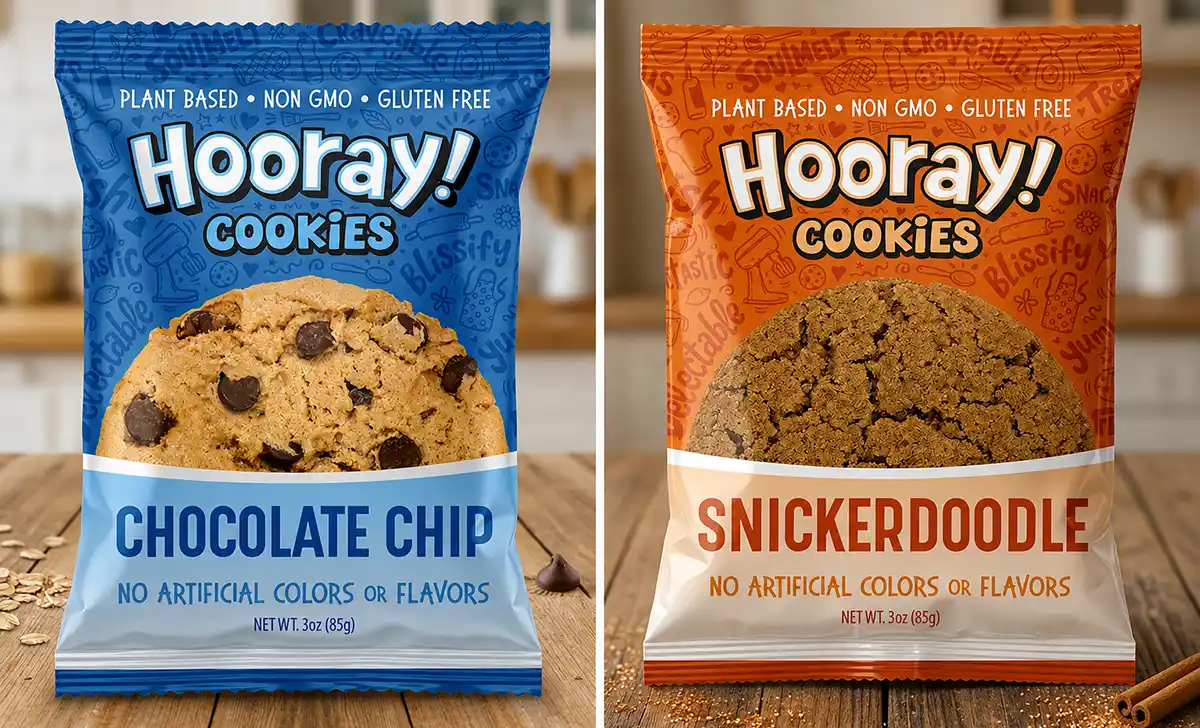
Sacramento-based Sun Flour Baking Company is expanding into the K–12 segment with a line of whole grain, gluten-free “Smart Snack” cookies designed to meet federal school nutrition guidelines. The rollout, which began in Northern California in March 2025, reflects a broader industry push to rethink what qualifies as a compliant—and appealing—school snack.
For founder Rey Ortega, the move represents both a business evolution and a personal mission. A longtime vegan entrepreneur with more than three decades in the plant-based baking space, Ortega previously built a reputation through Alternative Baking Company. His latest venture builds on that experience, but with a sharper focus on institutional foodservice.
Schools today are balancing multiple demands: adhering to USDA Smart Snacks in School standards, managing allergen concerns, and still offering products students will actually eat. Gluten-free items, once considered niche, are increasingly becoming part of that equation—not only for students with celiac disease, but also for districts seeking more inclusive menu options.
Sun Flour’s cookies aim to check those boxes. Developed to meet whole grain requirements and free from animal products, the product line reflects a growing expectation that better-for-you snacks shouldn’t come at the expense of flavor or familiarity.
At the same time, the company is extending its reach beyond cafeterias. By making the same K–12-compliant cookies available through Amazon, Sun Flour is tapping into a parallel market of parents looking for school-safe snacks at home. That dual-channel approach—foodservice and direct-to-consumer—mirrors a wider trend among specialty food producers seeking to scale without losing their niche positioning.
The expansion underscores a larger shift in school foodservice, where suppliers are no longer just competing on cost and compliance, but also on transparency, ingredient quality, and the ability to meet diverse dietary needs.
For operators, the question is no longer whether healthier snacks belong in schools, but how to source products that satisfy both regulatory standards and student expectations. Companies like Sun Flour are betting that the answer lies in reworking familiar formats—like the classic cookie—into something that fits the modern cafeteria.
As districts continue to evolve their menus, the success of products like these may offer a glimpse into the future of school snacking: cleaner labels, broader inclusivity, and a stronger emphasis on products that can perform both in and beyond the cafeteria.
For foodservice and wholesale opportunities please visit: https://sunflourbaking.com/wholesale/