




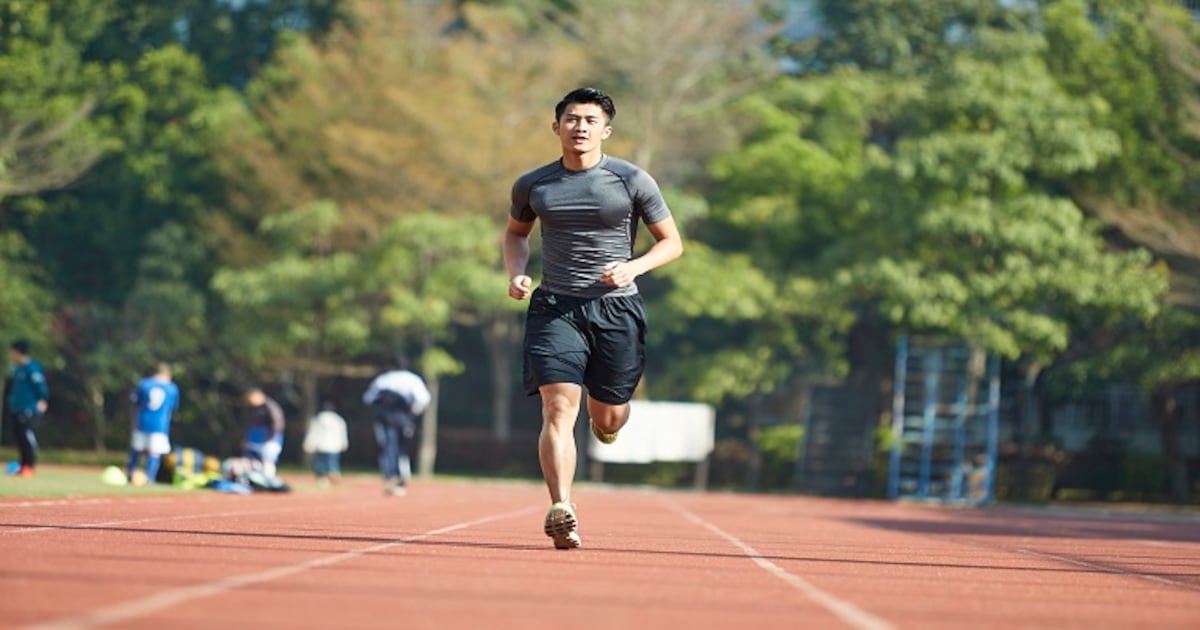
Researchers from Tunisia, Spain, and Norway compared the effects of caffeine, melatonin, and their timed combination on male participants performing shuttle runs.
Combining melatonin and caffeine “seems to be a promising approach to improve athletic performance, though its effects on sleep necessitate additional research,” they wrote.
Melatonin is a chronobiotic, a substance that can reset the body’s circadian rhythms. It also has antioxidant properties, helping to reduce inflammation and damage, particularly in the mitochondria, therefore aiding post-exercise recovery.
Caffeine is a widely studied psychostimulant and ergogenic aid, which is increasingly used by athletes to improve performance. Caffeine may also have antioxidant and anti-inflammatory properties, although these attributes are not as well researched.
Because caffeine works by inhibiting adenosine receptors, which reduces fatigue and sleepiness, it may adversely affect sleep if consumed later in the day, impacting subsequent physical performance and recovery.
The opposing physiological actions of melatonin and caffeine prompted the researchers to investigate the effects of combining the two or administering them at different times.
Their findings revealed the beneficial effects of caffeine on performance, as expected given the well-established effects on the nervous system. However, they also observed performance benefits with the combined supplements, which they suggest “may be partly related to melatonin regulatory effects on autonomic balance, as reflected by the lower peak heart rate responses reported”.
Study details
The randomized double-blind placebo-controlled crossover study involved 14 trained males who had refrained from caffeine two days before the study and underwent four conditions separated by a seven-day washout period: (1) PLA + PLA: placebo before sleep and placebo in the morning; (2) PLA + CAF: placebo before sleep and caffeine (3 mg·kg−1) in the morning; (3) MEL + PLA: melatonin (6 mg) before sleep and placebo in the morning; and (4) MEL + CAF: melatonin before sleep followed by caffeine in the morning.
Exercise testing was performed one hour after ingestion in the morning. It consisted of warm-up exercises and a 5 m shuttle run test (5mSRT), which involves six repetitions of 30-second maximal shuttle sprints, with a 35-second passive recovery period between repetitions. The researchers evaluated speed and performance, perceived exertion (RPE), heart rate, peak heart rate, and used blood samples to assess markers of muscle damage and inflammation.
The results showed no differences in sleep parameters between the conditions. Total distance in the shuttle test increased with all active conditions compared to placebo, and the combined supplements were associated with low markers of muscle damage and inflammation compared with single supplementation and placebo.
“From a practical perspective, these findings indicate that nocturnal melatonin did not significantly improve sleep quality or quantity; it may support next-s high-intensity performance and reduce physiological strain, and combining melatonin with caffeine may help preserve performance related-outcomes,” the researchers wrote.
Noting their study limitations, such as a small sample size, the researchers suggested cautious interpretation of the results. They proposed that future research should examine various dosages and involve larger, more diverse populations.
Journal: Nutrients; doi: 10.3390/nu18091425; “Melatonin, Caffeine, or Their Combination: Effects on Sleep, Performance, Perceived Exertion in a Placebo-Controlled Crossover Study.” Authors: N. Mahdi et al.