




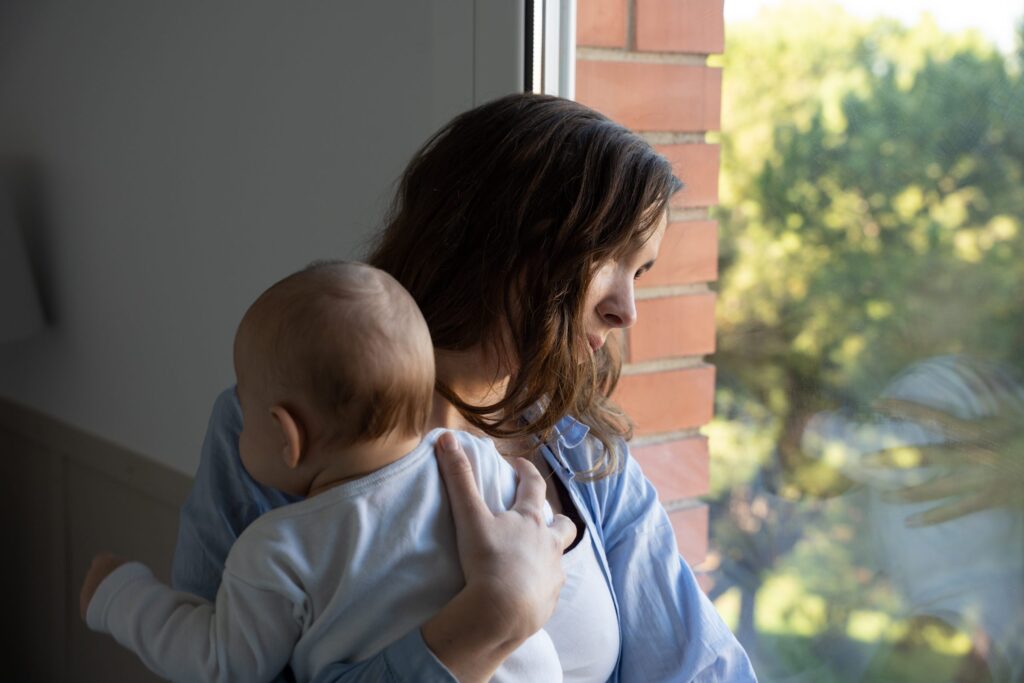
Comment: The fatigue and everyday demands of caring for a baby are a familiar part of parenting for many families.
For some whānau, this is compounded by financial pressure.
In 2024 and 2025, about a fifth of children aged 0-4 lived in households where food ran out because of a lack of money.
These figures reflect persistent cost-of-living pressures faced by New Zealand families, which economists have predicted will intensify this year.
Food insecurity refers to not having reliable access to enough affordable and nutritious food, or not being able to obtain such food in socially acceptable ways.
In our recent research, we spoke with mothers of infants in New Zealand experiencing food insecurity.
We focused on mothers because they are often the primary caregivers and responsible for daily household food provision.
Our findings highlight the urgent need for stronger support for mothers in New Zealand as they move their infants to eating solid foods – a critical period for early childhood health.
Mothers in our study shared their efforts to carefully manage household budgets by stretching every dollar, shopping across multiple stores to find the lowest prices, choosing discounted or budget food items, substituting fresh produce with frozen or canned alternatives, and planning meals around what was affordable each week.
Some also changed their own diets so their children could eat nutritiously, by skipping meals and reducing portion sizes, or relying on inexpensive ‘filler’ foods such as bread.
Their efforts reflected a strong motivation to provide the best for their children.
However, this came at a cost.
Mothers described emotional strain from trying to hold everything together for their families, particularly when needing to seek additional support from food banks or emergency food grants.
These supports were often used as a last resort because of the shame and embarrassment involved in accessing them.
Their experiences highlight a broader gap in support for mothers with infants – a period already marked by significant change with the arrival of a new baby.
The first 1000 days of life (from conception) is a key window for shaping lifelong health.
New Zealand’s infant feeding guidelines recommend introducing solid foods at around six months of age, when milk (breast milk or infant formula) alone can no longer meet infants’ nutritional needs.
Although New Zealand has a world-class Well Child Tamariki Ora programme providing evidence-based information on breastfeeding and introducing solids, this does not mean that mothers have the material resources needed to act on this guidance.
Food assistance programmes are not integrated with maternal and child health services, leaving low-income mothers with infants to navigate a patchwork of charitable support.
New Zealand has relatively high levels of food insecurity compared with other high-income countries.
Food insecurity can have serious consequences for children, including inadequate nutrition, anaemia, chronic illness, and developmental delays.
For example, the United Kingdom’s Healthy Start scheme provides prepaid cards for essential nutritious foods to families with young children.
This reflects a clear principle: that early childhood nutrition is a public responsibility.
Nordic countries such as Sweden have strong social protection systems for families, providing extended paid parental leave, universal child allowances from infancy, and subsidised childcare.
These measures aim to ensure that families have stable and adequate resources during early childhood, and reduce the likelihood of families going without essentials.
We must not continue to frame food insecurity as an individual responsibility or rely on mothers’ labour to compensate for systemic gaps, at the expense of their wellbeing.
Food insecurity is not simply an issue of food; it is driven by broader structural pressures, most notably inadequate household incomes.
In New Zealand, food insecurity responses still rely heavily on charitable food aid, which plays an important role in addressing immediate need but does not prevent hardship from occurring in the first place.
The 2025 Hunger Monitor released in March found that 68 percent of households experiencing food insecurity struggled to afford enough food for the first time within the past year, highlighting how quickly cost-of-living pressures can push households into hardship.
These findings reinforce concerns raised by the Child Poverty Action Group that income support levels in New Zealand have not kept pace with the real costs of raising children.
As advocates for healthy families, we call for stronger income support and welfare measures for low-income households to ensure New Zealand infants get the best possible start to life.
Dr Sara Styles and Professor Anne-Louise Heath both work in the University of Otago’s Department of Human Nutrition