



Reviewed by Dietitian Katey Davidson, M.Sc.FN, RD, CPT

Credit: Design elements: Getty Images. EatingWell design.
Key Points
Soy isoflavones may ease vaginal dryness and improve urogenital health post-menopause.
Foods like tofu, edamame and soy milk are easy ways to boost soy isoflavone intake naturally.
Longer studies are needed, but soy isoflavones offer a promising non-hormonal menopause option.
Menopause brings a wave of physical changes. While hot flashes often dominate the conversation, sexual health is a crucial topic that sometimes stays behind closed doors. Yet, more than half of postmenopausal women experience shifts in sexual function. Symptoms like vaginal dryness, discomfort during intimacy and a noticeable drop in desire are incredibly common as natural estrogen levels decline.
These changes take a real toll on emotional well-being, overall quality of life and intimate relationships. For a long time, hormone replacement therapy was the standard treatment to ease these symptoms. However, there is a growing interest in non-hormonal interventions as well, with one being soy isoflavones.
Soy isoflavones, which are plant-based compounds found in soy-based products, share a similar structure to human estrogen. This unique trait has led medical experts to investigate if they might offer a natural way to support vaginal health and improve sexual well-being after menopause. To find out, researchers recently conducted a comprehensive review of multiple clinical trials to see exactly how well these compounds work, and the results were published in the International Journal of Impotence Research.
How Was This Study Conducted?
To get a picture of how soy isoflavones affect sexual function, researchers conducted a systematic review and meta-analysis. This means they gathered data from multiple independent studies and combined the results to find broader trends. Following strict research guidelines, the research team selected 13 randomized controlled trials for their analysis.
These trials included a total of 1,325 postmenopausal women from various countries, including Brazil, Thailand, Australia, the United States, China, Italy and Ecuador. The participants either took soy isoflavone supplements or ate a specifically soy-rich diet. The daily dosages across the studies ranged from 40 to 160 milligrams.
The individual studies lasted anywhere from four to 24 weeks. To measure the results accurately, the researchers used validated assessment tools like the Menopause Rating Scale and the Kupperman Index. These standardized questionnaires help track specific changes in menopausal symptoms and overall sexual function over time.
What Did the Study Find?
When the researchers analyzed the combined data, they found distinct patterns regarding symptom relief. The most notable and statistically significant improvement was in vaginal dryness. Women taking soy isoflavones experienced a clear reduction in this symptom. The overall analysis also highlighted notable benefits for general urogenital symptoms, which include the health of the urinary tract and vagina.
However, the data for other symptoms was less definitive. When looking at dyspareunia (pain during sex), vasomotor symptoms like hot flashes and night sweats, and psychological symptoms such as anxiety or mood shifts, the results showed minor trends toward improvement but did not reach statistical significance.
It is also important to note that the researchers found high “heterogeneity” in the data. This means the results from the individual studies varied quite a bit from one another. This variation likely stems from differences in the exact doses used, the length of the different trials and the specific populations of women studied.
Limitations
While these findings are encouraging, we must look at them with a careful eye. The high heterogeneity mentioned earlier means we cannot guarantee that every single woman will experience the exact same level of benefit.
Additionally, many of the included studies relied on self-reported measures. While a patient’s personal experience is vital for understanding sexual function, subjective reporting can sometimes introduce bias compared to objective clinical measurements. Another key limitation is the length of the trials. Most of the studies lasted 12 weeks or less. Because menopause is a long-term phase of life, we need longer studies to understand if these benefits last over several years and to ensure their long-term safety.
How Does This Apply to Real Life?
For women looking to manage postmenopausal symptoms without hormone replacement therapy, soy isoflavones represent a practical, evidence-based option. If you struggle with vaginal dryness or related urogenital discomfort, incorporating soy into your daily routine might offer tangible relief.
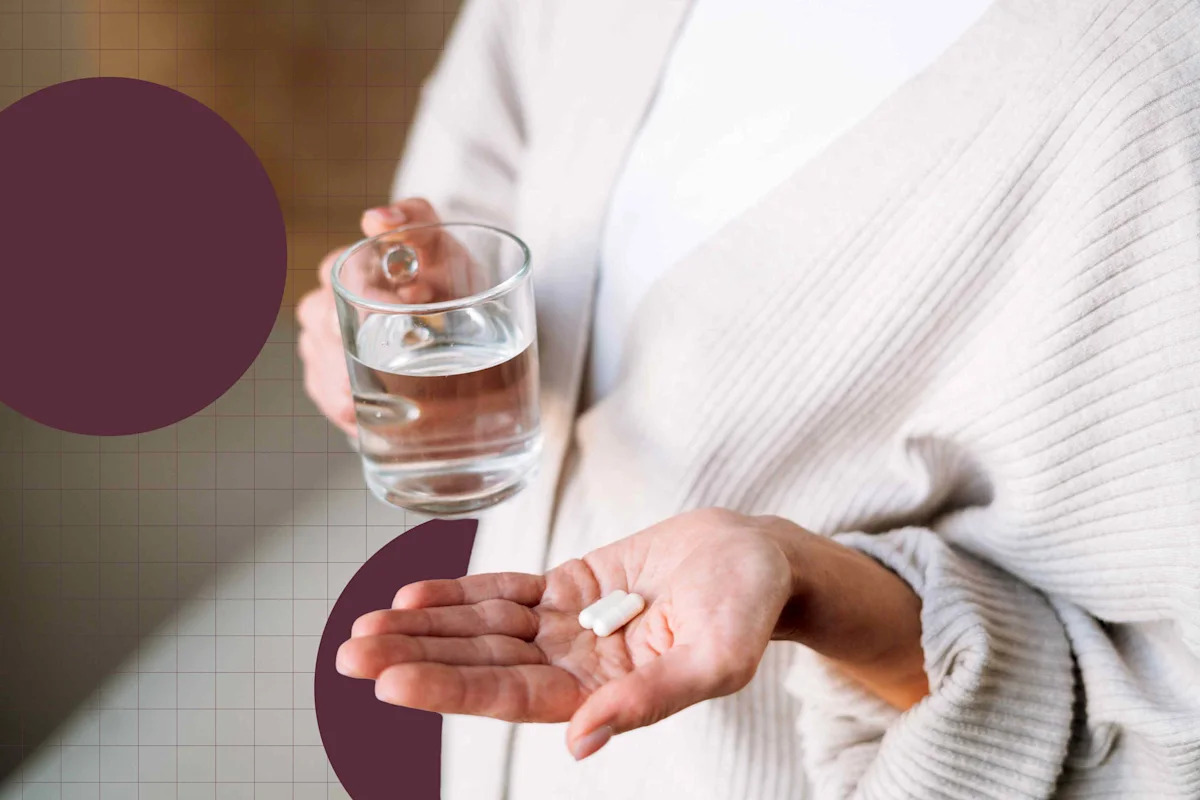
You can do this through simple dietary changes. Adding foods like tofu, edamame, tempeh and soy milk to your meals is an easy way to increase your intake. Alternatively, standardized soy isoflavone supplements are widely available. The study data suggests an optimal daily intake of 50 to 100 milligrams to see benefits. As always, before starting any new dietary supplement, it is best to speak with a healthcare provider to ensure it fits safely into your personal health plan.
Our Expert Take
This systematic review of 13 trials and over 1,300 women provides evidence that soy isoflavones may be linked to improved vaginal dryness and overall urogenital health among postmenopausal women. As medical professionals seek effective alternatives to traditional hormone therapy, these plant-based compounds could be a valuable tool.
We absolutely need more rigorous, long-term research with standardized doses to fully understand their impact on all menopausal symptoms. The current data, however, is encouraging for specific complaints. Soy isoflavones will not cure every symptom of menopause, but they offer a safe, accessible and viable option to include in a personalized menopause management plan.
Read the original article on EatingWell