



This article contains affiliate links; if you click such a link and make a purchase, we may earn a commission.
“Hearst Magazines and AOL may earn commission or revenue on some items through these links.”
If your social media algorithms are anything like mine, then you’ve more than likely seen the “hot girls have stomach issues” trend infiltrate your For You page on more than one occasion. Since you’ve landed on this story, you’ve also probably done your own research on your stomach issues—and how to help them—and I’ll bet the word probiotic popped up in your search results at least a few times.
In simple terms, probiotics are live microorganisms that help support the balance of bacteria in your gut and other areas of the body. Research continues to evolve, but a comprehensive 2024 review in the Journal of Clinical Medicine highlights that, when used appropriately, probiotics may support areas like gut health, immune function, metabolic health, and overall well-being.
Best Probiotics for Gut Health
You’ll also see measurements like CFUs or AFUs on labels, which reflect the amount of live microbes in the product—but more isn’t always better. With probiotics, what matters most is the specific strain, the dose used in research, and whether it’s actually been studied for the benefit you’re looking for.
As a registered dietitian, I see a lot of clients who assume more strains or higher CFUs mean a more effective product, but probiotics just don’t work like that. These are living microorganisms, and their benefits come down to the specific strain, the right dose, and whether you’re taking it consistently enough to see a real effect.
That’s exactly where this guide comes in. Instead of a generic “best probiotic for women” list, I’ve broken things down by real-life needs—like gut health, and key life stages like pregnancy, postpartum, and 50+. Because your body isn’t static—and your probiotic shouldn’t be either.
One important note: probiotics aren’t for everyone. If you’re immunocompromised, have a serious underlying condition, or are navigating something like recent antibiotic use or ongoing gut issues, check in with your healthcare provider first to make sure it’s the right fit for you.
What to ConsiderProbiotic Strains & Count
Probiotics aren’t one-size-fits-all. Different strains support different health goals, so it’s important to choose one based on what you’re looking for—whether that’s better digestion, less bloating, vaginal health, immune support, or metabolic health. Some probiotic strains are better for gut health, while others are specifically studied for things like metabolism and weight support.
You’ll most often see CFUs listed on probiotic labels, though some newer formulas use AFUs (active fluorescent units)—both are ways to measure live microbes, just using different methods. Most probiotic supplements fall in the 1 to 10 billion CFU range (yes, billion!), while AFU counts can vary from millions to billions depending on the formula. Either way, the number matters less than choosing the right strains and dose for your needs—which is where a healthcare professional, like a dietitian (shameless plug), can be super helpful.
Form
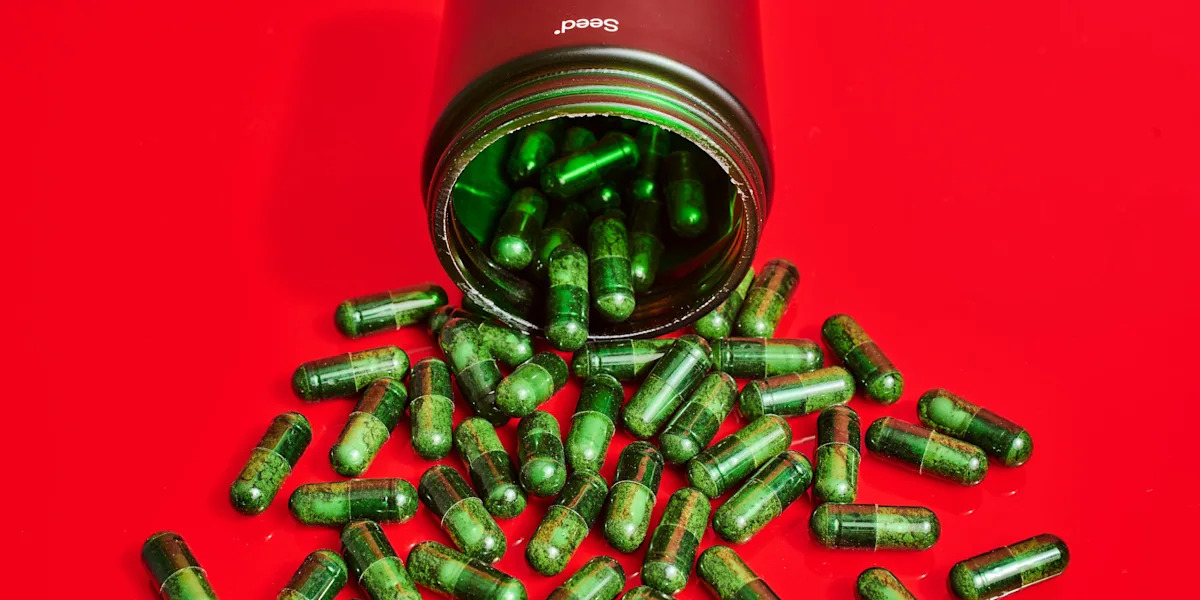
Probiotics come in a range of forms—capsules, powders, and gummies—and each has its perks and trade-offs. Capsules are typically the most reliable, especially with protective designs like delayed-release or nested capsules that help bacteria survive harsh stomach acid and reach the intestines—where they can actually deliver benefits.
Powders mix easily into drinks, but they’re often more sensitive to moisture and storage conditions. Gummies are convenient and taste great, but they typically contain fewer active cultures, therefore are less likely to deliver meaningful results.
Your Lifestyle
Some probiotics are best taken with food, others on an empty stomach, and some require refrigeration while others don’t. But here’s some tough lovin’ truth: none of that matters if you’re not actually taking it. The best option is the one that fits into your daily routine—because consistency is what moves the needle when it comes to results.
Third-Party Testing
Did you know supplements aren’t closely regulated by the FDA? It’s true, and exactly why third-party testing matters. Look for certifications from trusted independent groups like NSF International, United States Pharmacopeia, and ConsumerLab—they go beyond the basic seals (like GMP or “organic”) by testing the finished product, verifying label accuracy, purity, and safety. It’s one of the easiest ways to feel more confident in what you’re taking.
How We Selected
I’m a registered dietitian with over a decade of experience in nutrition writing and supplement evaluation. For this guide, I partnered with the Women’s Health team to review a wide range of probiotic options from trusted brands, focusing on what’s most relevant for women’s health.
Each product was evaluated based on strain specificity, clinical research, and effective dosing—not just total CFUs. I prioritized formulas that clearly list individual strains, include well-studied combinations, and meet high standards for quality and testing.
Because probiotic needs aren’t one-size-fits-all, I selected options that support a range of goals—like gut and vaginal health, immune support, and metabolic function—as well as different life stages, including pregnancy and 50+. Out of the hundreds on the market, these are the ones that stood out.
Meet the Experts
Brynna Connor, MD is a board-certified family medicine physician and the Healthcare Ambassador for Northwestpharmacy.com.
Surpiya Rao, MD is a quadruple board-certified physician in internal medicine, gastroenterology, obesity, and lifestyle medicine.
Neha Pathak, MD is an Adjunct Assistant Professor of Medicine at Emory University School of Medicine.
Joseph Salhab, MD is a Florida-based gastroenterologist specializing in digestion, nutrition, the pancreas, and the liver.
Kenneth Hepps, MD is a California-based Gastroenterologist at Providence Cedars-Sinai Tarzana Medical Center.
Shop Our Favorite Supplements
Best Supplements | Best Supplements For Menopause | Best Fiber Supplements | Best Vegan Supplements | Best Pre-Workout Supplements | Best Vitamin D Supplements | Best Fish Oil Supplements | Best Magnesium Supplements | Best Protein Powders | Best Protein Powders For Weight Loss | Best Multivitamins For Women | Best Collagen Peptides
You Might Also Like