





Collagen supplementation is one of the most widely debated topics in skincare, with opinions varying about the effectiveness for skin rejuvenation. Now a new, large-scale review has concluded that there is evidence to back up their anti-ageing claims, which is reassuring news for the millions who take them daily in the hope of boosting collagen and improving their skin.
However, anti-ageing skin specialist Dr Sophie Shotter has weighed in on the findings, and cautions people against one very common mistake that will stop their collagen supplements working.
The good news, according to a new scientific review of 113 collagen trials, is that there is ‘promising’ evidence for using collagen to improve skin elasticity and hydration (although less for ‘resolving textural surface features’ – or reducing wrinkles, to put it in plain English.)
 shurkin_son
There’s new evidence to show collagen supplements can improve skin quality
As you’d expect, the researchers found that these ‘credible benefits’ required consistency and time. But what the research didn’t mention is that building fresh collagen – the key structural protein needed for firm, supple skin – isn’t something that happens in isolation.
‘Your collagen supplement will never work without vitamin C,’ says Dr Shotter. ‘It’s a crucial co-factor for collagen production. You need vitamin C to activate various enzymes that help to strengthen collagen fibres. So if you haven’t got enough vitamin C, you’re not going to build robust collagen.’
Think of it this way, she says – collagen without vitamin C is like having bricks but no workers to build them.
‘Lots of people make that mistake,’ Dr Shotter adds. ‘Not all collagen supplements have vitamin C in them, which shouldn’t be a problem if you take a good vitamin C in addition. But so many people don’t.’ She personally likes Absolute Collagen’s range which contains vitamin C and has ‘really robust clinical data on skin benefits’.
Absolute Collagen Marine Liquid Collagen Supplement for Women 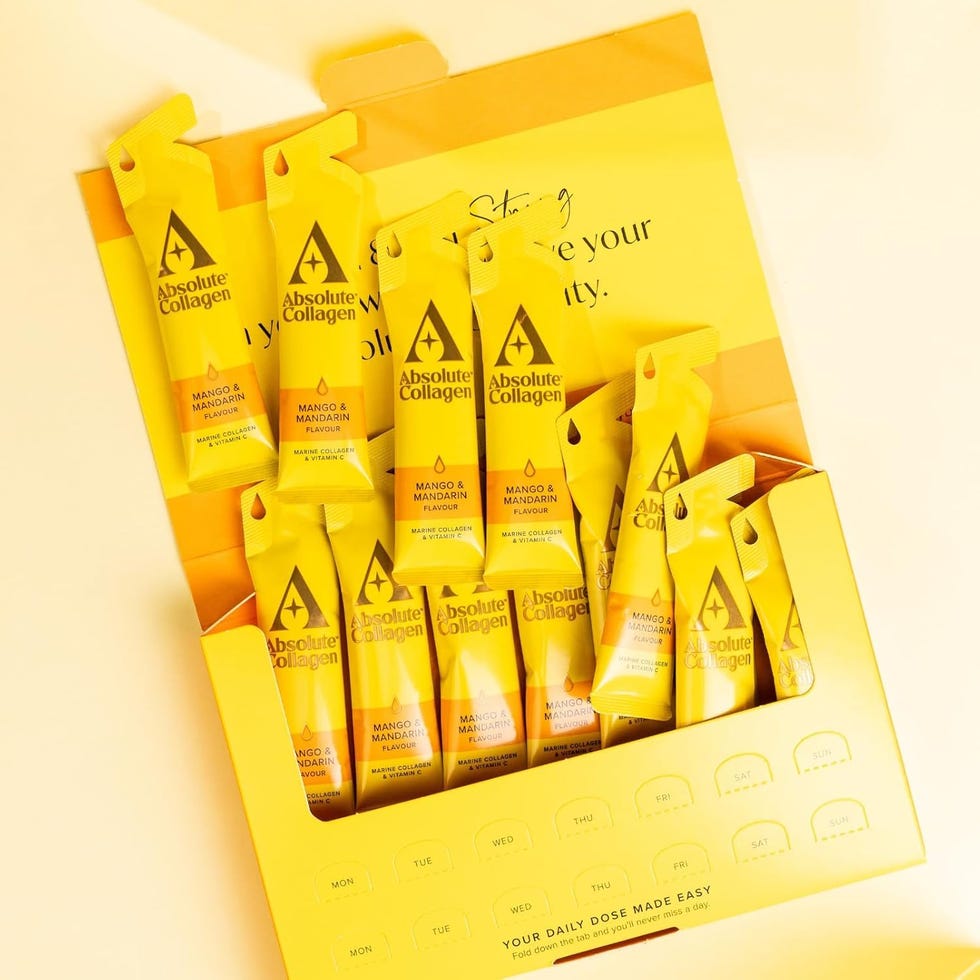
Expecting your diet to fill the vitamin C gap to optimum levels is ‘unrealistic’, she says. ‘People say, “I drink orange juice, I eat oranges” but it’s not enough in the modern world where food is less nutrient-dense.’
 Jutta Klee
Diet won’t provide the optimum amount, says Dr Shotter
‘I always say to people that looking at supplementing 1000mg a day is great. Not just for supporting collagen production, but also because vitamin C is a really good antioxidant against UV damage. So you get the double benefit of antioxidant protection for the new collagen that you’ve built. You’re not just helping to produce more, but you’re also protecting what you’ve already got.’
For best benefits, Dr Shotter advises choosing your vitamin C format carefully. ‘I advise taking a liposomal version, for better bioavailability but fewer gut side effects. Liposomal is definitely better tolerated at that dosage. Altrient and Evernutri are both good, depending on whether you prefer a gel or capsule.’
Altrient C Liposomal Vitamina C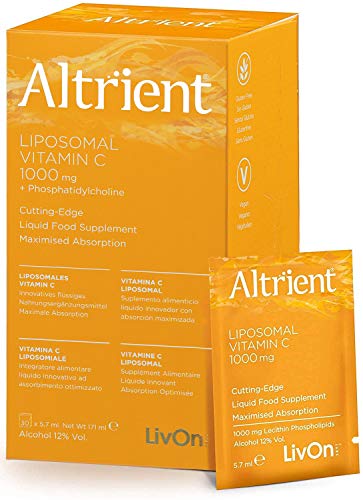
Taking it daily is a non-negotiable, she reminds us. ‘And if you stop taking it, the benefits will go again. Consistency is key. I always say to people, keep your collagen wherever is going to help you build a habit. For me it’s by my coffee machine in the morning, because then I have a cup first thing every day, so I remember to take it. Many people noticing some benefits from about four to six weeks, but I would say proper results are from three months onwards.’
 Valerii Apetroaiei
Find a way to make collagen a regular habit
A final mistake to avoid is having unrealistic expectations with collagen supplements. ‘The science is there now, pretty definitively, to show that marine and bovine collagen supplements at the right dose do work,’ says Dr Shotter. ‘But people can go into it with the wrong expectations. Some brands perhaps bear a bit of responsibility for that, from having slightly overbold marketing claims.’
‘Is collagen supplementation a miracle fix for wrinkles? No. Of course it’s not going to do what Botox, fillers or injectable skin boosters do. But does it have an impact? Yes, absolutely. Especially when we’re looking at treatments that stimulate collagen, it makes complete sense to be taking something that gives you the building blocks to make your own collagen as well.’
Related Story