




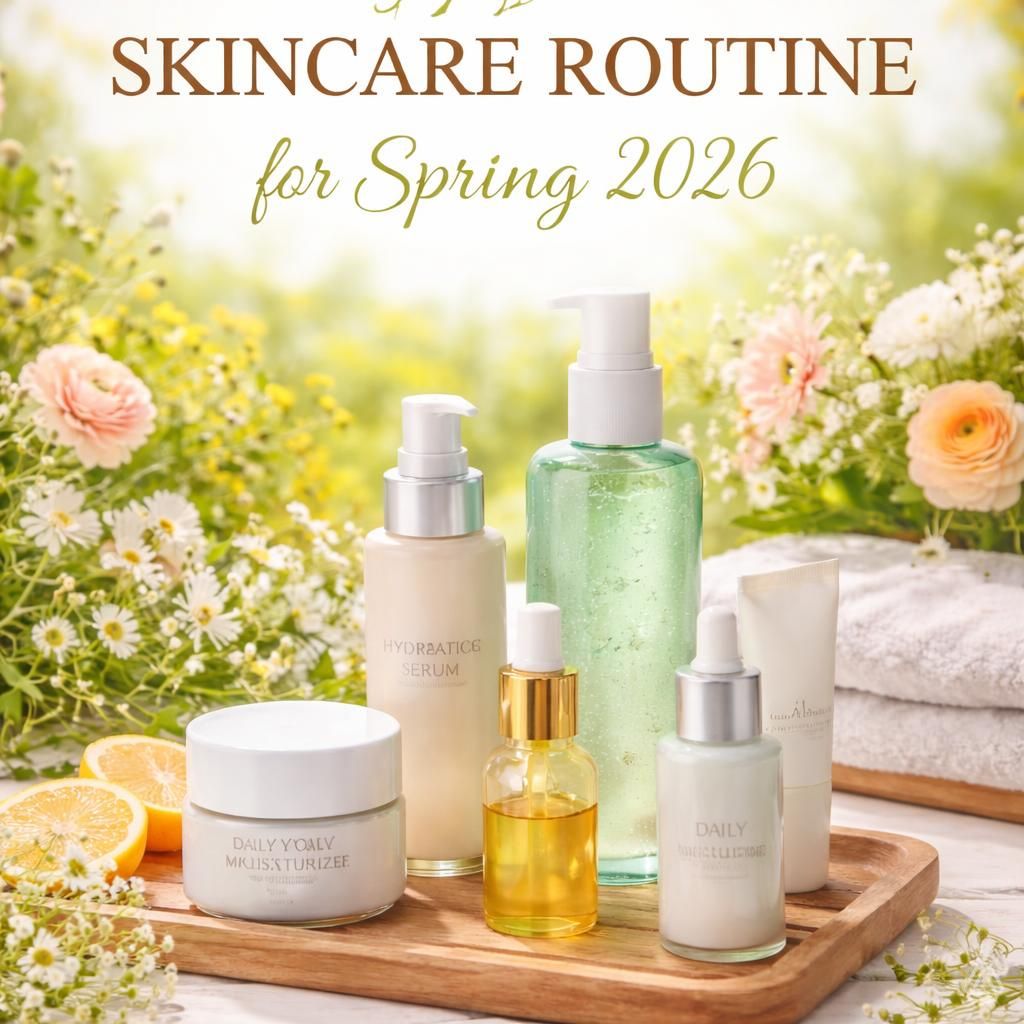
The seasonal skincare transition is one of those things that sounds like marketing until you actually pay attention to your skin in March and notice it’s doing something different to what it was doing in January. It is. Winter skin runs on a different humidity and temperature baseline: lower ambient moisture, more indoor heating, wind exposure, and often the residual effect of heavier occlusives and thicker moisturisers that made sense in December but are now congesting pores in April. Spring is not just a calendar event for skin. The humidity rises, sebum production increases, UV index climbs, and pollutant levels change. A routine that was perfect in February can start causing breakouts, dullness, and sensitivity by May if it isn’t adjusted. The American Academy of Dermatology recommends applying SPF 30 or higher every morning as a non-negotiable year-round habit, not a seasonal concern. This editorial covers what actually needs to change in spring, and why, with verified cruelty-free product recommendations throughout. For the full skincare picture, see our best vegan face serums 2026 and our guide to what Leaping Bunny certification means in 2026.
Key Takeaways
Sunscreen is the single highest-return product in any spring skincare update, UV exposure is the primary external cause of premature skin ageing. According to a 2013 study in Annals of Internal Medicine, daily broad-spectrum sunscreen use significantly reduced skin ageing over a 4.5-year follow-up period versus non-daily use.
Hyaluronic acid shifts from repair mode to maintenance mode in spring. The thick occlusives that preserved the skin barrier in dry winter conditions often become comedogenic as humidity rises, lightweight HA serums work better than heavy creams from April onward.
Vitamin C serums perform better in spring and summer, they require consistent UV exposure protection to stabilise results. According to the American Academy of Dermatology, combining topical vitamin C with SPF produces greater photo-protection than either alone.
Spring pollen and Pollution increase particulate matter that deposits on skin and contributes to oxidative stress. A gentle evening cleanse becomes more important from March onward, not less.
According to the EWG’s annual sunscreen guide, fewer than 30% of sunscreens on the US market meet their safety and efficacy standards. Mineral sunscreens using zinc oxide are the most consistently recommended.
What Actually Needs to Change in SpringSwap Heavy Occlusives for Lightweight Hydrators
In winter, thick creams and oils make sense: they seal the skin barrier against cold air and indoor heating that strips moisture. In spring, rising humidity means the skin can retain more moisture on its own, and thick occlusives over an already-hydrating environment start to trap sebum. The practical spring move is switching from a rich cream moisturiser to a lightweight gel-moisturiser or a hyaluronic acid serum layered under a lighter lotion. According to a 2010 review in the International Journal of Cosmetic Science, seasonal variation in trans-epidermal water loss is measurable and predictable, which means routine adjustment is skin physiology, not marketing.
Start Sunscreen Now — Not When It Feels Summery
This is the one most people get wrong. The UV index in mid-April in most US cities is already at levels that cause cumulative skin damage over daily exposure. Waiting until the skin feels hot means UV damage has already been accumulating for weeks. A mineral zinc oxide SPF applied after your vitamin C serum is the most impactful change any skincare routine can make in spring. The EWG recommends zinc oxide at 15–25% as the safest and most photostable sunscreen ingredient available. Unlike many chemical UV filters, zinc oxide does not degrade in sunlight and provides immediate, stable protection from application.
Introduce Vitamin C if You Haven’t Already
Spring is the optimal time to start a vitamin C serum because the higher ambient UV exposure makes the investment pay off faster. Vitamin C stabilises in the skin and reduces photodamage from daily UV exposure, making it more efficient in high-UV seasons. The caveat that matters: some vitamin C formulas, particularly those using L-ascorbic acid at higher concentrations, can cause initial sensitivity. Starting with a lower-concentration product and building up over 2–4 weeks prevents the purging and redness that puts people off the ingredient before the benefits appear.
Reassess Your Exfoliation Frequency
Winter skin often builds up a thicker stratum corneum from slower cell turnover in cold, dry conditions. Spring is typically when exfoliation frequency can increase from once to twice weekly without irritation. More than that, and this is where spring skincare guides get it wrong, spring pollutants and increased sebum make daily exfoliation actively counterproductive by disrupting the skin microbiome and triggering reactive sebum overproduction. Twice weekly is still the ceiling for most skin types regardless of season.
Spring Skincare Products Worth Adding in 2026Biossance Squalane + Vitamin C Rose Oil — Best Spring Vitamin C Serum
The optimal spring serum: vitamin C for UV protection amplification, squalane for lightweight non-comedogenic hydration, rose oil for antioxidant Support. Biossance Squalane + Vitamin C Rose Oil, EWG Verified, Leaping Bunny certified, B Corp, 100% vegan. Apply in the morning before SPF for the most UV-protective spring routine available from a fully certified clean beauty brand. Averaging 4.3 stars with buyers citing noticeably brighter skin over 4–6 weeks of daily use. Around $40–55 for 0.5oz. Honest flaw: premium price for a small bottle. Worth it for buyers who won’t compromise on certification.
Pacifica Vegan Collagen Complex Face Serum — Best Lightweight Spring Hydrator
Swapping a heavy winter cream for a lighter spring hydrator is the most common and most correct spring adjustment. Pacifica Vegan Collagen Complex Serum delivers HA-based plumping hydration without the film-forming occlusives that congest spring skin. 100% vegan, Leaping Bunny certified, paraben-free. Averaging 4.3 stars, specifically praised by buyers who switched from heavier winter creams and noticed reduced breakouts. Around $14–18. Honest flaw: lightweight formula means less barrier protection for very dry or compromised skin, not suitable as a standalone moisturiser for dry skin types.
Physicians Formula Organic Wear Mascara — Best Spring Makeup Refresh
Spring is the obvious time to swap out mascara, most mascaras should be replaced every 3 months regardless. Physicians Formula Organic Wear Mascara is USDA Organic certified, Leaping Bunny certified, hypoallergenic, the safest formula for eyes that are more sensitive to allergens and pollen in spring. Averaging 4.2 stars, praised by allergy sufferers for the absence of sensitising ingredients. Around $12–16. Honest flaw: lighter volume than conventional mascaras. The clean formulation tradeoff is real but the right call for sensitive eyes during allergy season.
TruSkin Vitamin C Serum 2fl oz — Best Accessible Spring Vitamin C Option
For buyers who want a vitamin C serum without the Biossance price point, TruSkin Vitamin C Serum 2fl oz delivers L-ascorbic acid with vitamin E and hyaluronic acid in a fragrance-free, paraben-free formula. Made in the USA, cruelty-free. Over 90,000 Amazon reviews averaging 4.4 stars is the most substantial real-world evidence base for any vitamin C serum in this price range. Around $18–26 for 2oz. Honest flaw: cruelty-free by self-declaration, not Leaping Bunny certified. Buyers requiring independent supplier-level audit should choose Biossance or Pacifica instead.