




Headaches are a common condition that many people deal with on a daily basis.
Ranging from uncomfortable to downright unbearable, they can disrupt your day-to-day life.
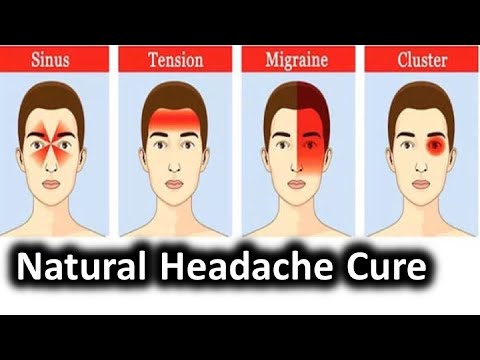
Several types of headaches exist, with tension headaches being the most common. Cluster headaches are painful and happen in groups or “clusters,” while migraines are a moderate-to-severe type of headache.
Although many medications are targeted at relieving headache symptoms, a number of effective, natural treatments also exist.
1.Take Some Magnesium
Magnesium is an important mineral necessary for countless functions in the body, including blood sugar control and nerve transmission. Interestingly, magnesium has also been shown to be a safe, effective remedy for headaches.
Evidence suggests that magnesium deficiency is more common in people who get frequent migraine headaches, compared to those who don’t.
2.Get Adequate Sleep
Sleep deprivation can be detrimental to your health in many ways, and may even cause headaches in some people.
For example, one study compared headache frequency and severity in those who got less than six hours of sleep per night and those who slept longer. It found that those who got less sleep had more frequent and severe headaches.
3.Use Essential Oils
Essential oils are highly concentrated liquids that contain aromatic compounds from a variety of plants.
They have many therapeutic benefits and are most often used topically, though some can be ingested.
Peppermint and lavender essential oils are especially helpful when you have a headache.
Applying peppermint essential-oil to the temples has been shown to reduce the symptoms of tension headaches.
4.Try B-Complex Vitamins
B vitamins are a group of water-soluble micronutrients that play many important roles in the body. For example, they contribute to neurotransmitter synthesis and help turn food into energy.
Some B vitamins may have a protective effect against headaches.
Several studies have shown that the B-vitamin supplements riboflavin (B2), folate, B12 and pyridoxine (B6) may reduce headache symptoms.
5.Relax with Yoga
Practicing yoga is an excellent way to relieve stress, increase flexibility, decrease pain and improve your overall quality of life.
Taking up yoga may even help reduce the intensity and frequency of your headaches.
One study investigated the effects of yoga therapy on 60 people with chronic migraines.
6.Sip Some Ginger Tea
Ginger root contains many beneficial compounds, including antioxidants and anti-inflammatory substances.
One study in 100 people with chronic migraines found that 250 mg of ginger powder was as effective as the conventional headache medication sumatriptan at reducing migraine pain.
What’s more, ginger helps reduce nausea and vomiting, common symptoms associated with severe headache.
7.Soothe Pain with a Cold Compress
Using a cold compress may help reduce your headache symptoms.
Applying cold or frozen compresses to the neck or head area decreases inflammation, slows nerve conduction and constricts blood vessels, all of which help reduce headache pain.
To make a cold-compress, fill a waterproof bag with ice and wrap it in a soft towel. Apply the compress to the back of the neck, head or temples for headache relief.