Got story updates? Submit your updates here. ›
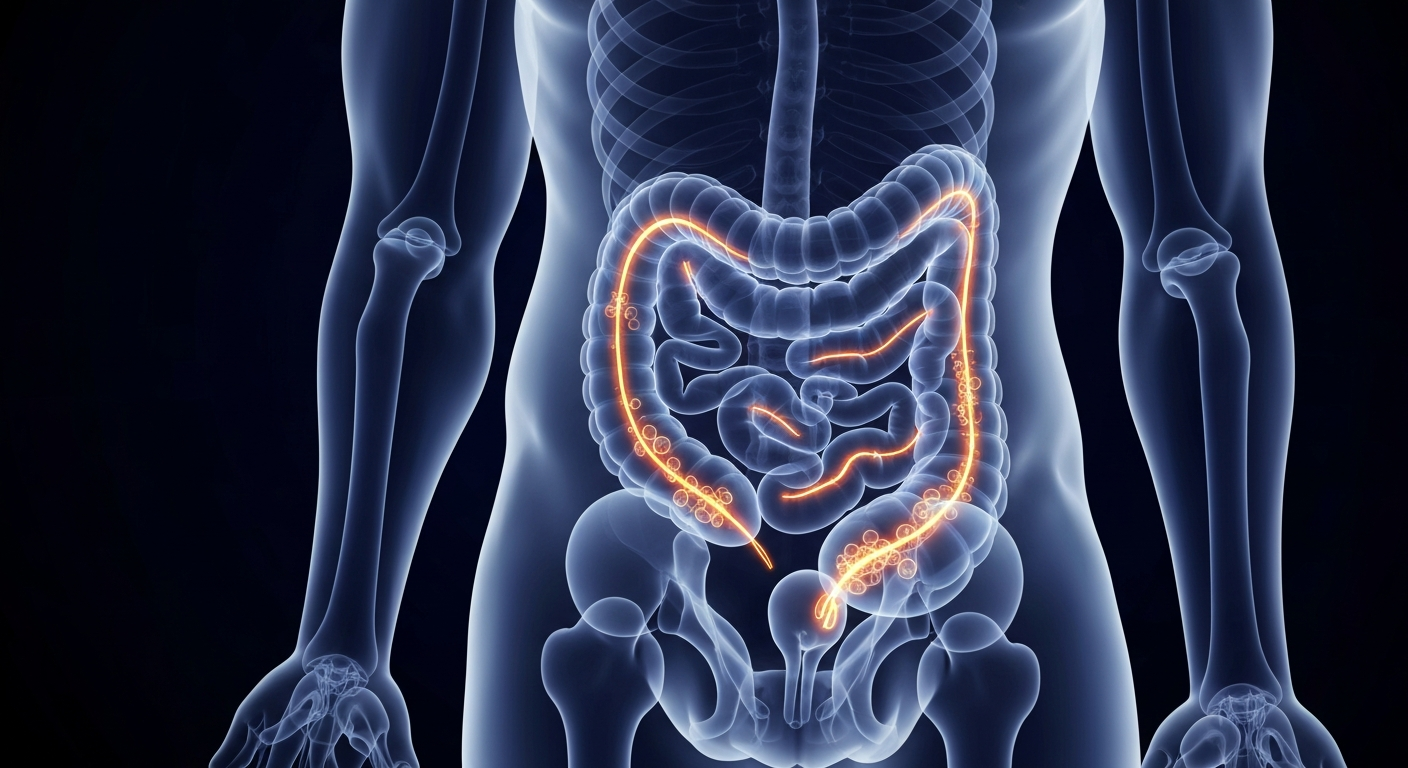
New research suggests that vitamin D supplements may help ‘reset’ the immune system and improve gut health for people with inflammatory bowel disease (IBD) who are deficient in the nutrient. The study found that after 12 weeks of high-dose vitamin D supplementation, IBD patients experienced reduced disease activity, lower inflammation markers, and a shift in gut bacteria toward a more anti-inflammatory profile.
Why it matters
Vitamin D plays a crucial role in regulating immune function, and people with IBD are often deficient in the nutrient due to impaired nutrient absorption. This study highlights the important connection between vitamin D, immunity, and gut health, and suggests a simple, affordable intervention that could benefit many IBD patients.
The details
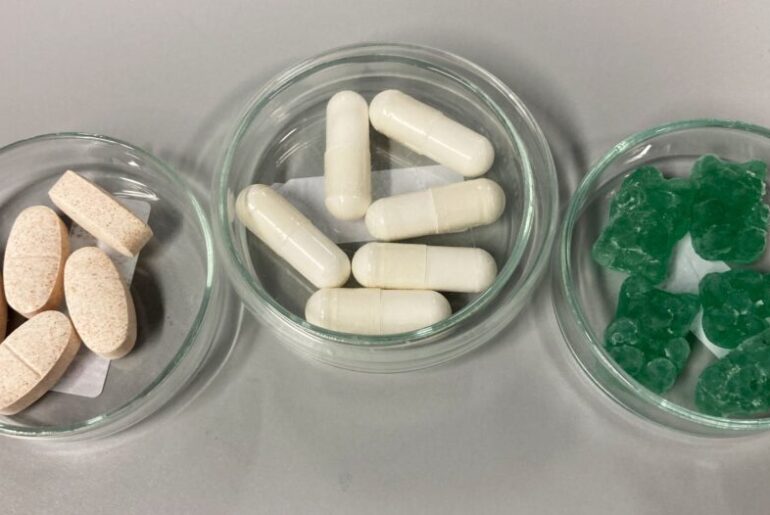
The study, published in Cell Reports Medicine, looked at 48 IBD patients with low vitamin D levels. Participants took 50,000 IU of vitamin D orally once a week for 12 weeks, and researchers analyzed changes in their blood, stool, and reported symptoms. After supplementation, the majority of patients saw improved quality of life, reduced disease activity, and lower inflammatory markers. The vitamin D also appeared to ‘reset’ the immune system, promoting greater tolerance of gut bacteria and the growth of beneficial microbes.
The study was conducted over a 12-week period.Participants took high-dose vitamin D supplements once a week during this time.
The players
Heather Gosnell, M.D.
A pediatrician, plant-based health coach, and founder of Eat Plants MD Coach in Phoenix, Arizona.
Liz Daniels, D.O., R.D., F.A.A.P.
A pediatrician, dietitian, and founder of New Story Nutrition.
Got photos? Submit your photos here. ›
What they’re saying
“This study asked two questions: can raising vitamin D in patients with IBD improve their symptoms, and if so, how does vitamin D interact with the immune system in the gut?”
— Liz Daniels, Pediatrician, Dietitian, and Founder of New Story Nutrition
“IBD isn’t the only autoimmune condition linked to low vitamin D—or to show improved symptoms when vitamin D levels rise. But because IBD directly involves the gut where vitamin D is absorbed, it offers a unique window into how the nutrient works at a tissue level.”
— Liz Daniels, Pediatrician, Dietitian, and Founder of New Story Nutrition
What’s next
Researchers plan to conduct a larger, placebo-controlled study to further investigate the effects of vitamin D supplementation on IBD symptoms and gut health.
The takeaway
This study reinforces the important connection between nutrition, immunity, and gut health, and suggests a simple, affordable intervention that could potentially benefit many IBD patients by ‘resetting’ their immune system and reducing inflammation.