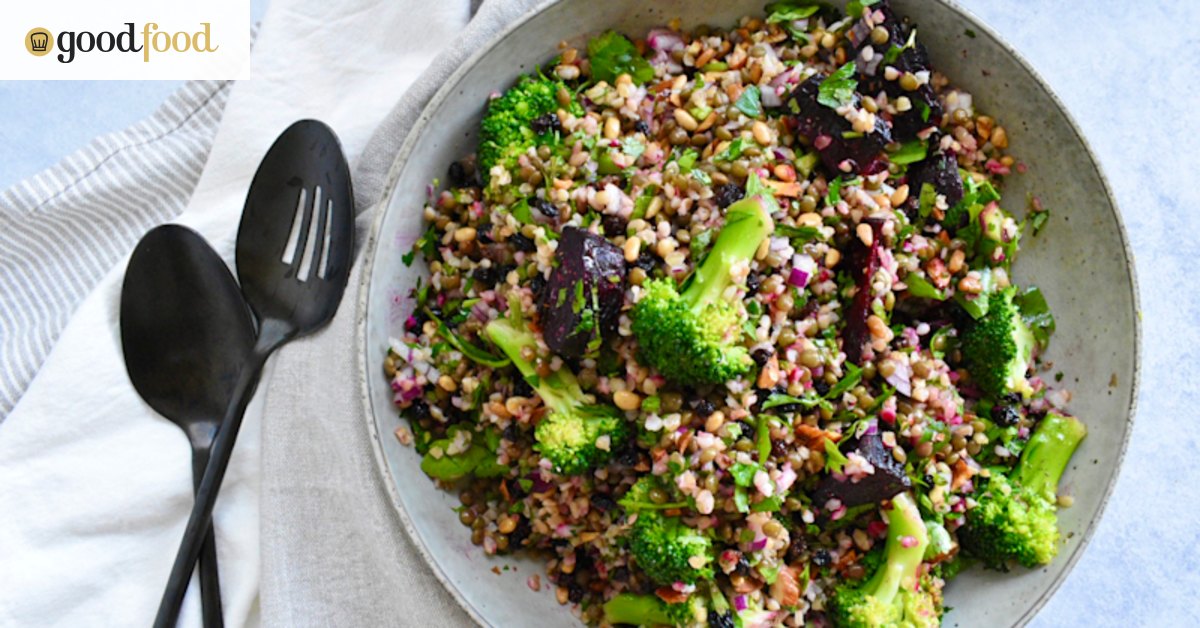
Winter is just around the corner, so now’s the time to tweak our daily food and lifestyle habits to make sure our immune system is working its best.
 Save
Save
You have reached your maximum number of saved items.
Remove items from your saved list to add more.
Save this article for later
Add articles to your saved list and come back to them anytime.
Got it
AAA
Shorter days and cooler temperatures mean winter is just around the corner, and with it the dreaded cold and flu season.
While there are loads of people who stock up on vitamins and supplements at this time of year, the truth is our immune system is much more powerfully affected by our daily food and lifestyle habits than it is by one-off pills and potions.
This means that if you want to power through winter largely unscathed, now is the time to act.
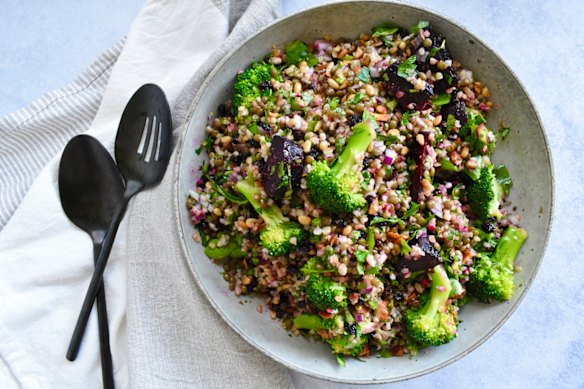 We should aim for at least 30g of fibre each day.Sarah PoundRelated ArticleFuel the gut
With at least 70 per cent of our immune cells working in the digestive tract, keeping the gut microbiome as healthy as possible is one of the most powerful things we can do to support immune function.
The best recipes from Australia’s leading chefs straight to your inbox.
This means ticking the box on dietary fibre on a daily basis and aiming forat least 30g each day by consuming a wide variety of fresh fruits, vegies, whole grains and legumes.
While this sounds simple, the reality is few of us get this volume of fresh food, which is why key foods such as mixed juices, soups and vegetable-based meals are important to add into the diet, especially through winter.
Get on top of your iron intake
Iron isn’t a nutrient readily associated with immune function but it is one that supports the development of immune cells. And when iron levels are low, immune function is reduced overall.
Low iron levels are extremely common in women and children, and people who only sporadically consume well-absorbed iron from lean red meat can easily become deficient over time.
For this reason, if you do include red meat in your diet, aiming to enjoy small, 100g portions three to four times each week is crucial for keeping on top of your iron levels. If you are one of the many women who have low iron stores, it is time to get a blood test now and ensure your levels are optimal as we head into winter.
Related Article Tick off the vitamin D
With at least 20 per cent of Australians having low vitamin D, keeping on top of this vitamin is extremely important for overall mood and wellbeing, as well as immune function. This is especially true for those of us who sit indoors most of the day, or who live in colder states.
Specifically, vitamin D helps to regulate immune responses, helping to fight off infection, and low vitamin D is associated with an increased risk of picking up infections and a higher risk of developing a number of autoimmune conditions.
This means that not only do you need to know your levels but you may need to use a supplement to bring your levels back to normal range if your levels are on the low side. Most importantly, if you do supplement, you’ll need to take it with a meal to ensure it is well absorbed, as vitamin D is a fat-soluble vitamin.
 Bone broth-based Thai pork omelette soup is good on its own, or with a bowl of rice.Armelle Habib; STYLING: Lee BlaylockRelated Article
 Make the most of soups
While all vegetable-based soup is a rich source of nutrients and fluid, it is specifically soup made with a bone broth base that offers immune-related benefits.
Bone broths contain a molecule called carnosine, and carnosine has been shown to help fight the early stages of the flu by inhibiting the migration of infected cells around the body.
This means that a daily soup with a bone broth base is a smart addition to the diet over the next few months.
Related Article Be smart with supplements
It can be incredibly tempting to impulse-buy supplements that promise to support immune function when you are not feeling your best, but ultimately there are very few supplements you will need if you are eating a nutrient-rich diet.
Unless you have a specific need for a nutrient, such as vitamin D, iron or zinc, for example, you will be much better off investing in a lean steak, seafood or fresh juice than throwing money at a supplement.
Related Article Don’t forget the seafood
All seafood is a nutrient-rich choice but, specifically when it comes to nutrients that benefit the immune system, you cannot go past mussels and oysters for their exceptionally high amounts of zinc and iron, two nutrients intricately involved in immune function.
Fresh or canned, adding these foods to your diet will significantly boost your intake of both iron and zinc.
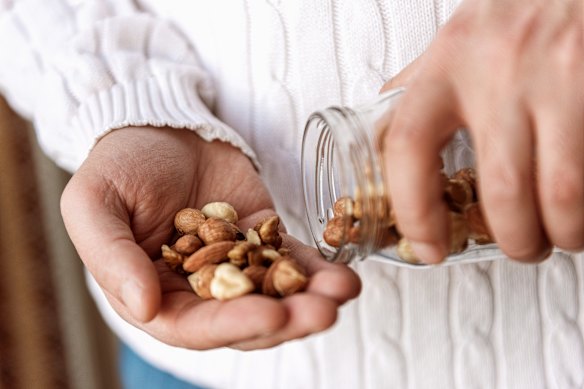 About 10 to 15 nuts is considered a standard serve.iStockGrab a handful of nuts
Nuts are one of the most nutrient-rich foods we can eat, and the bonus is that they are a rich, natural source of zinc and good fats. The latter can help reduce inflammation and support immune function.
The key is to opt for different nuts – think walnuts, Brazil nuts, almonds and hazelnuts – to get a range of different nutrients when you do enjoy a nut-based snack. And remember, 10 to 15 nuts is a serve.
Think plenty of variety
One of the biggest mistakes we can make when it comes to both our digestive and metabolic health is eating the same thing day in, day out.
Rather, the more variety we include in our diet, the better it is when it comes to exposing the digestive tract to a range of different nutrients that help to nourish gut bacteria.
This means mixing up your daily breakfast and lunch meals and including as many different foods in a single meal as you can, think various vegetables, herbs, spices, legumes, seeds, nuts and grains.
Load up the vitamin C
Vitamin C plays a number of key roles in regulating the immune system and there is a small amount of research suggesting super-loading this water-soluble vitamin may reduce the duration of infection by roughly one day.
Think at least a couple of serves of vitamin-C-rich fruits such as kiwifruit, oranges and strawberries daily, as well as plenty of leafy greens. Unlike many other vitamins, when it comes to vitamin C from natural sources, the more the better.
Get aromatic
Herbs and spices and aromatic vegetables such as garlic have been used to help prevent and treat illness for hundreds of years and, in the case of garlic, it is the organosulfides (naturally occurring chemicals found in garlic and onions), along with vitamin D, that help stimulate the production of the immune cells, macrophages.
This means garlic and spices such as turmeric are smart meal additions to your favourite recipes.
Related Article Related Article
 Save
Save
You have reached your maximum number of saved items.
Remove items from your saved list to add more.
 Susie Burrell is an accredited practising dietitian and nutritionist.From our partners