




Takeaways: India Ashwagandha Regulation (2026)
Indian regulatory authorities have issued directives reaffirming that the use of ashwagandha leaves is not permitted under existing regulations.
Ashwagandha root and root extracts are permitted.
Applies to both nutritional supplements and foods.
The move targets adulteration and safety concerns linked to leaf compounds.
New Delhi—Ashwagandha (Withania somnifera) is one of the most widely used botanicals in global dietary supplements. Now, authorities in India have issued directives on the use of ashwagandha leaves in supplements and food products, permitting only the root and root extracts. The regulation, enforced by national authorities, targets safety concerns and adulteration while requiring clear labeling of plant parts used.
On April 15, 2026, India’s Ministry of Ayush issued a directive prohibiting the use of ashwagandha leaves in all Ayush products and extracts, reinforcing its regulatory position and escalating enforcement after years of reported non-compliance. The directive from the Ministry of Ayush aligns with enforcement actions by the Food Safety and Standards Authority of India (FSSAI), which issued a parallel order, dated April 16, 2026, that extends the restriction to the food and nutraceutical sector. Together, the directives assert that only ashwagandha root and root extracts are permitted for use.
FSSAI stated that the use of ashwagandha leaves, whether in crude form, extracts or any other preparation, is not allowed under existing regulations and warned that violations could result in action under the Food Safety and Standards Act, 2006. State and regional authorities have been directed to ensure compliance and take enforcement action where necessary.
Leaves: safety concerns and plant-part specificity
Regulators cited safety concerns linked to higher concentrations of certain withanolides in the leaves, particularly withaferin-A, which has been discussed in scientific literature for potential adverse effects at elevated levels.
Authorities also pointed to industry practices in which lower-cost leaf material was used in place of root—sometimes in extracts—while products were labeled generically as “ashwagandha,” raising concerns about ingredient transparency.
Root and root extracts: safe and effective
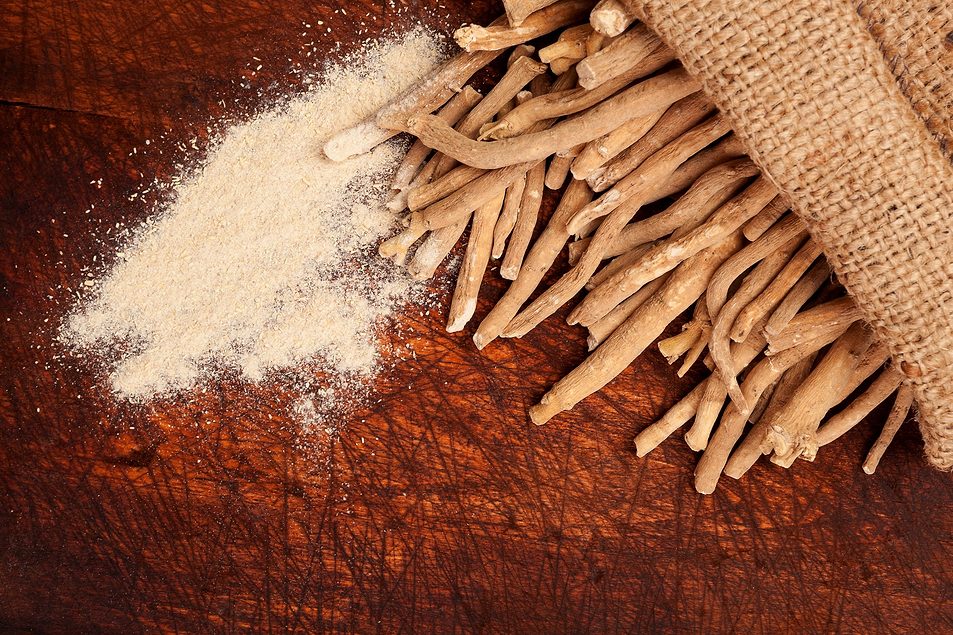
By contrast, the root of Withania somnifera is the part traditionally used in Ayurveda, and experts explain that roots are the subject of most safety and efficacy research. The Ministry of Ayush has confirmed the root is safe when used as directed, with numerous clinical studies conducted across diverse populations reaffirming the safety profile of ashwagandha. Research shows the herb is well-tolerated and effective in promoting overall well-being, contributing to immune support, stress management, and general health promotion. Its long-standing history of safe use in India, along with growing international recognition, reinforces its value as a safe and effective medicinal herb for use as a natural remedy.
In the Ashwagandha Experience, Ixoreal, maker of branded ingredient KSM-66 Ashwagandha, has worked to educate on the key differences. For a deeper dive, read Roots for Health and Leaves For Compost and Ashwagandha Adulteration: A Growing Threat to Quality and Trust.
From advisory to enforcement
The latest action follows a series of government steps:
Labeling requirement aims to improve transparency
In addition to the prohibition, the Ministry of Ayush has mandated that manufacturers clearly disclose the part of the plant used on product labels. Industry observers say the requirement could improve transparency and help address longstanding concerns about substitution and adulteration in botanical ingredients.
Global supply implications
India is a leading supplier of ashwagandha to international markets, and the move is expected to influence sourcing practices and product formulation globally, particularly for companies relying on Indian raw materials.
Related: Ashwagandha in the Spotlight at WHO Global Summit
FAQ: India’s Ashwagandha Leaf Ban
Why did India ban ashwagandha leaves? India restricted ashwagandha leaves due to safety concerns tied to higher concentrations of certain compounds, including withaferin-A, and to address industry practices involving substitution of leaves for roots.
What part of ashwagandha is allowed now? Only the root and root extracts of Withania somnifera are permitted in supplements and food products.
Does this apply to dietary supplements and foods? Yes. The directive applies across both Ayush (herbal medicines) and food/nutraceutical categories through coordinated action by the Food Safety and Standards Authority of India and the Ministry of Ayush.
Is ashwagandha root considered safe? Regulators and government reviews have reaffirmed the safety of the root when used appropriately, consistent with traditional Ayurvedic use.
What does the new labeling rule require? Manufacturers must clearly disclose the plant part used (e.g., root) on product labels to prevent misleading claims and adulteration.
Will this affect global supplement brands? Yes. Because India is a major supplier, the regulation is expected to influence sourcing, formulation, and labeling practices worldwide.