



IP as Infrastructure, Not Interruption
What’s unfolding around The Devil Wears Prada 2 reflects a broader recalibration in the industry. Entertainment IP is no longer a spike in the marketing calendar—it’s a system. For Tangle Teezer, the partnership builds on prior collaborations with Mattel and SKIMS, forming a pattern of culturally timed drops. Each one expands reach while reinforcing brand identity. “Each of these partnerships has helped us reach new audiences, while remaining true to our core products,” Garlitos noted.
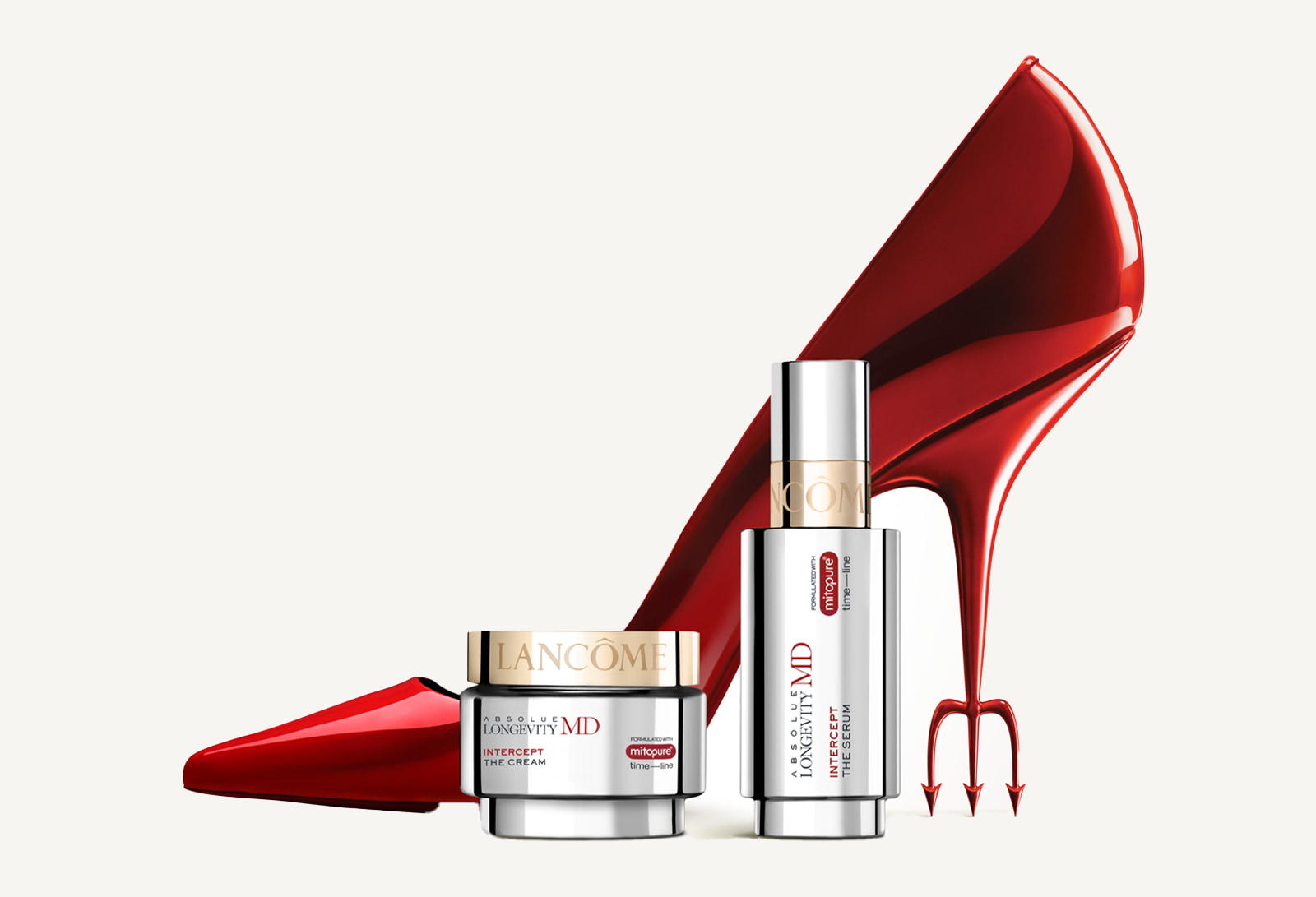
Lancôme frames it even more explicitly: “Entertainment IP has become a strategic pillar… not just a momentary amplification tool.” The value lies in tapping into stories consumers already care about, leveraging emotional equity rather than building it from scratch.
As these partnerships evolve, so too does the definition of ROI. Tangle Teezer is tracking “organic engagement, earned conversation, and cultural resonance,” from sentiment to share of voice. The early signals are strong: within six days of launch, its Prada-inspired brush hit #4 on Amazon’s Hot New Releases list.
Lancôme, meanwhile, is thinking in longer timelines. “There is no perfect measure for share of heart,” the CEO admits. Traditional metrics like Media Impact Value remain relevant, but the real goal is cultural longevity, being part of a conversation that extends beyond launch.
In the context of The Devil Wears Prada 2, that’s particularly potent. The film arrives with a built-in, cross-generational fanbase and a narrative already embedded in popular culture. For brands, that’s not just visibility—it’s velocity.
Letting Go to Fit In
There’s a quiet tension in these collaborations: the need to maintain brand identity while surrendering enough control to feel authentic. Lancôme describes it as co-creation. “It’s less about relinquishing control and more about co-creating stories within a shared legacy.” That means allowing the film’s narrative to lead, whether through product integration or talent-led storytelling.
Tangle Teezer’s work with Disney Consumer Products follows the same principle. “Authenticity comes from natural alignment,” said Garlitos. The collaboration works because it doesn’t try too hard; it simply fits.
What makes these partnerships particularly effective is their dual impact. For new consumers, they offer an accessible entry point, a familiar story, a recognizable aesthetic, and a reason to engage. For existing audiences, they deepen emotional connection, turning products into artifacts of a shared cultural moment.
“The Devil Wears Prada collaboration does both simultaneously,” Garlitos explained. It rewards loyalty while inviting discovery. Lancôme sees a similar dynamic, especially across generations. Younger consumers encounter the brand through the film, while existing customers see their trust in the brand reinforced by innovation.
The Runway Effect
What The Devil Wears Prada 2 ultimately reveals is how far the relationship between beauty and entertainment has evolved.
This is no longer about borrowing relevance—it’s about participating in it, and about understanding that in a world where attention is fragmented and authenticity is currency, the most powerful thing a brand can do is step into a story that already matters.
Because in the end, this isn’t just about a brush, or a serum, or even a film. It’s about that moment in the Runway office, when everything sharpens, expectations rise, and you realize that to belong here, you don’t just need to look the part. You need to be part of the narrative.