
For people over 60 who have never strength trained regularly, bodyweight exercises can be the perfect entry point. Accessible, low-impact, and scalable, they allow you to learn movement patterns, improve coordination, and build foundational strength without the intimidation or technical issues that can sometimes come with using gym equipment.
Contrary to what many think, resistance training doesn’t have to mean heavy barbells. ‘Bodyweight training uses your body’s own weight to provide resistance against gravity in order to build muscles, in contrast to weights or machines,’ says Steve Chambers, gym manager and certified PT at Ultimate Performance.
‘It’s a highly accessible, effective way to provide a stimulus or stress that your muscles can respond to, learn fundamental movement patterns, improve joint stability and develop a good baseline for your strength,’ he continues.
A caveat: while bodyweight exercises are an excellent starting point, building significant muscle over time will often mean eventually incorporating resistance training with weights. Muscle responds to challenge, and if that doesn’t increase, neither will your results. But, as a base and long-term staple, bodyweight movements like the six below are incredibly effective and fit very well into the bigger picture of training in your 60s.
6 bodyweight exercises that build muscle as fast as weights1. Bodyweight squat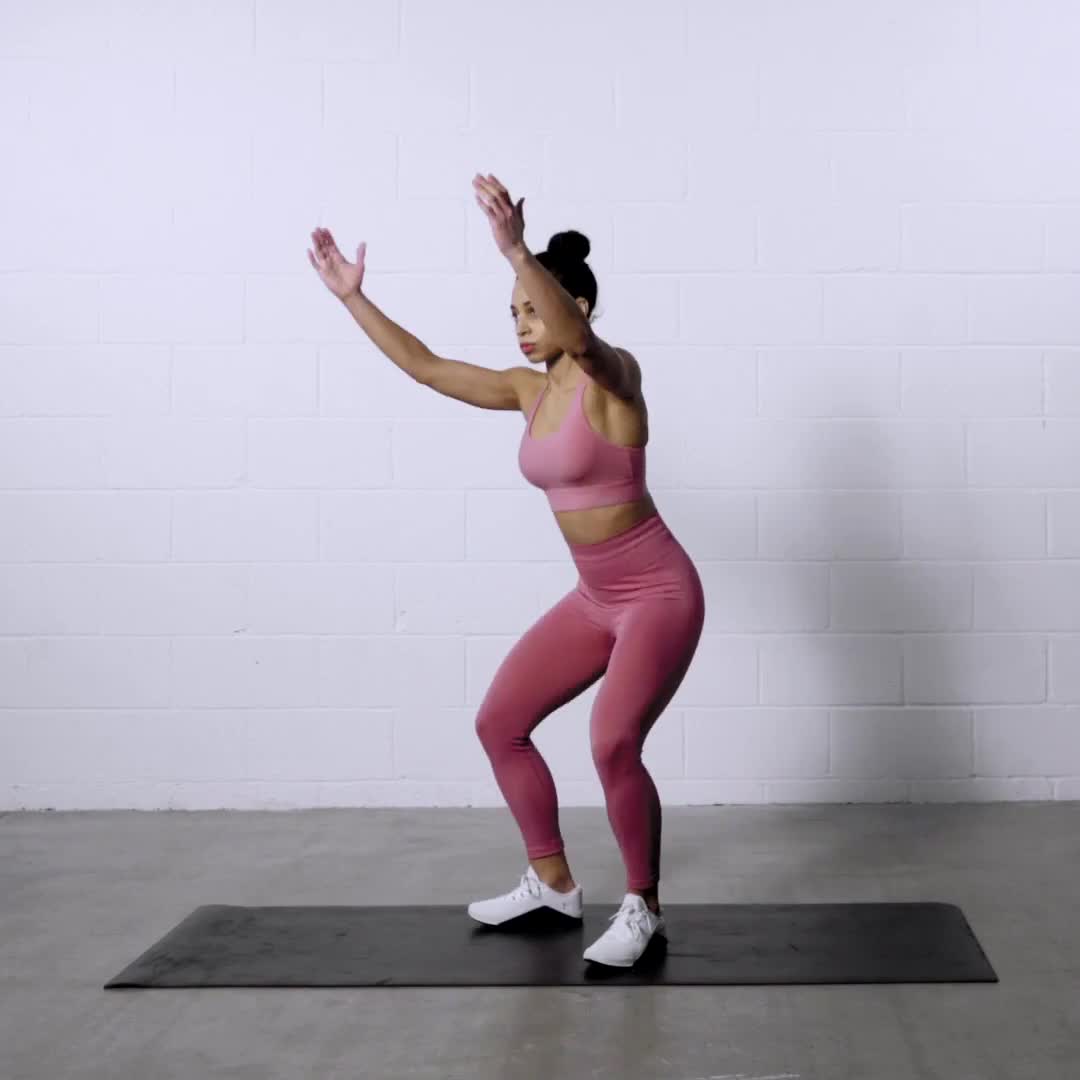
The bodyweight squat should be a staple of your programme. ‘You should always prioritise compound movements that engage multiple muscle groups and joints because they deliver the biggest return in terms of their muscle-building and fat-burning capabilities,’ says Chambers. ‘A bodyweight squat is particularly effective because it trains your quads, hamstrings, and glutes, and reinforces a pattern you use every single day: sitting and standing.’
Squat with a slow tempo on the way down. The lower you can squat, the better – but find a depth you can control safely.
Stand up with your feet about hip-width apart. Hold your hands in a comfortable position, such as out in front of you or arms crossed on opposing shoulders. With your back straight and core engaged, sit your hips back and bend your knees to lower down into the squat position. Keeping the weight in your heels, straighten your knees and drive your hips back to the starting position. Squeeze your glutes at the top of the squat, then repeat. 2. Push-ups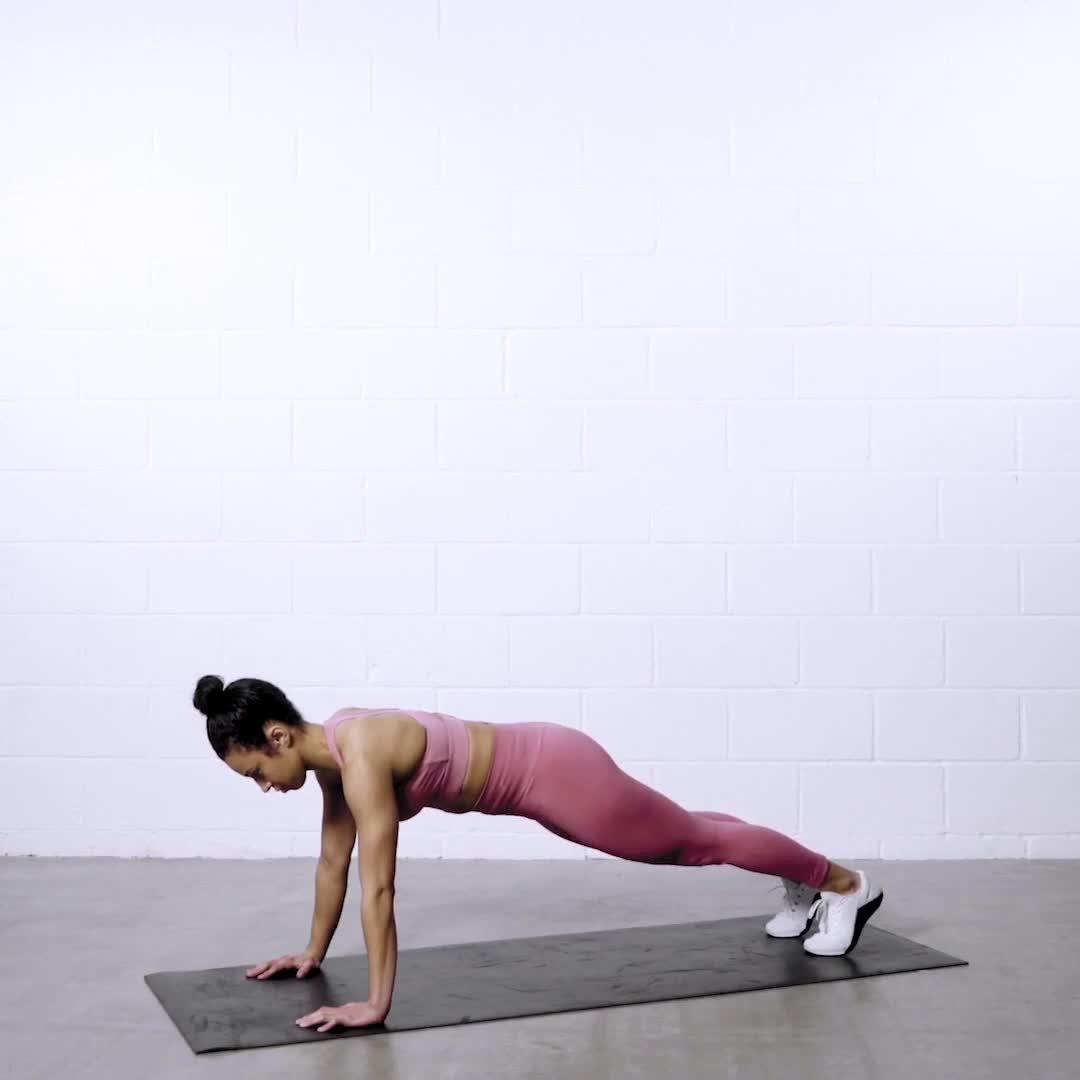
Push-ups are one of the simplest and most effective ways to train your upper body. ‘They target the chest, shoulders, and triceps, and demand core stability,’ says Chambers.
For muscle building, they’re also highly scalable. Start by pressing against a wall or bench and then progress to the floor. Keep a strong, braced core, and lower your body with a controlled tempo.
Ideally, you would position your hands slightly wider than shoulder-width apart, and slightly behind each shoulder blade rather than directly parallel. Ensure you tuck your hips under, engaging your glutes and lower abs. Pull yourself down to the floor slowly, as low as you can, focusing on squeezing your shoulder blades back and down to your hips, stretching your chest. Push your hands together to create tension in your chest. Don’t allow your hips to sag and keep your glutes and abs engaged.Push yourself back to the starting position as explosively as possible.3. Step-ups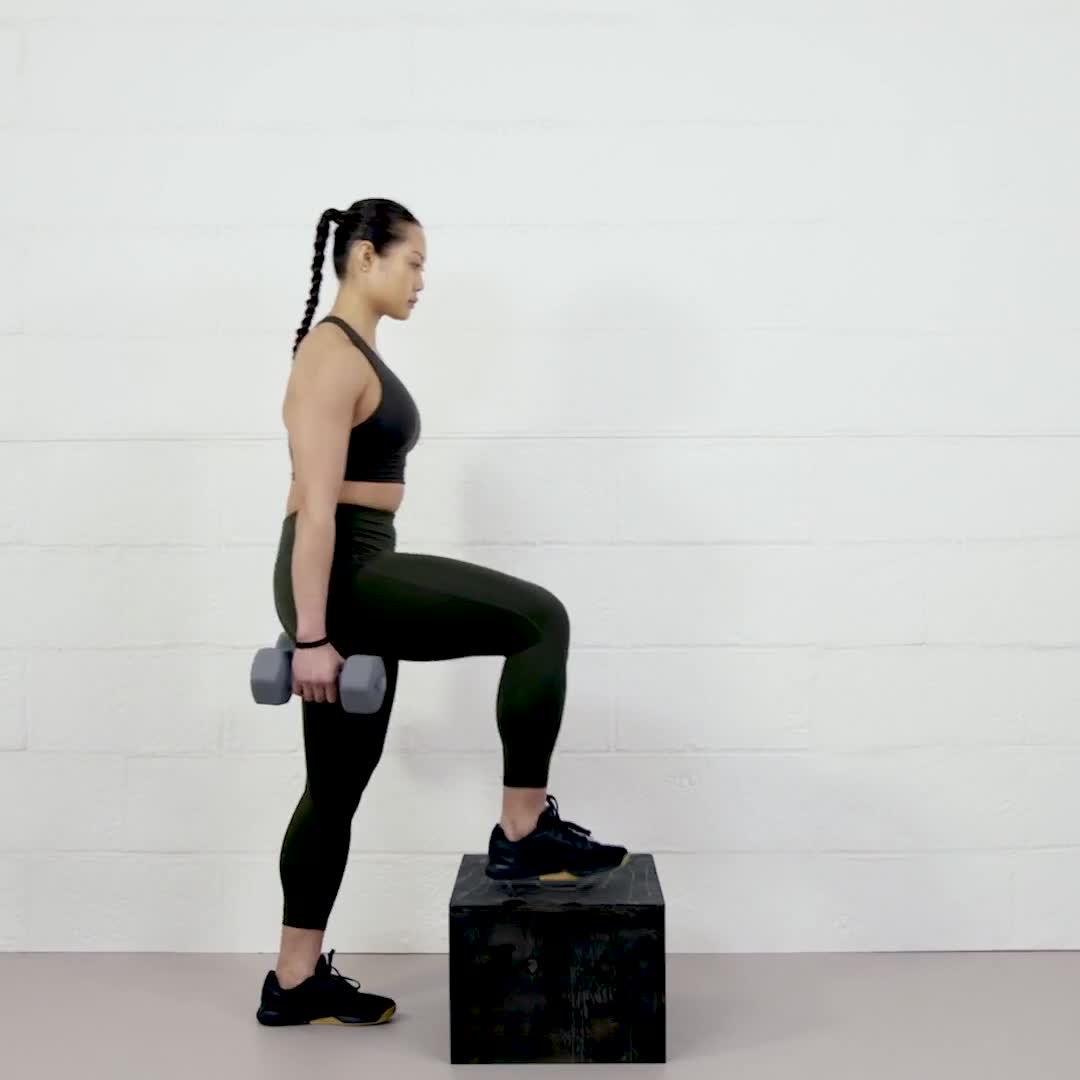
Start by performing the move without dumbbells, and add in once you’ve perfected your form and bodyweight is no longer challenging
‘If there’s one bodyweight exercise that’s essential for almost every client over 60, it’s the step-up, because it directly translates to real life,’ says Chambers. It trains your ability to climb stairs, step onto curbs, and move confidently.
‘As a unilateral movement, it works one leg at a time, which helps to identify and correct imbalances, improve your co-ordination, and build stability,’ he adds. These are the things that will reduce your risk of falls, one of the biggest long-term health threats in this age group.
Stand in front of a platform, like a low chair, set at knee height.Keep one foot on the platform and step up and back down with the other.Bang the sole of your working foot on the platform for greater activation of your hamstrings and glutes.Switch legs and repeat. 4. Plank and side planks
Plank
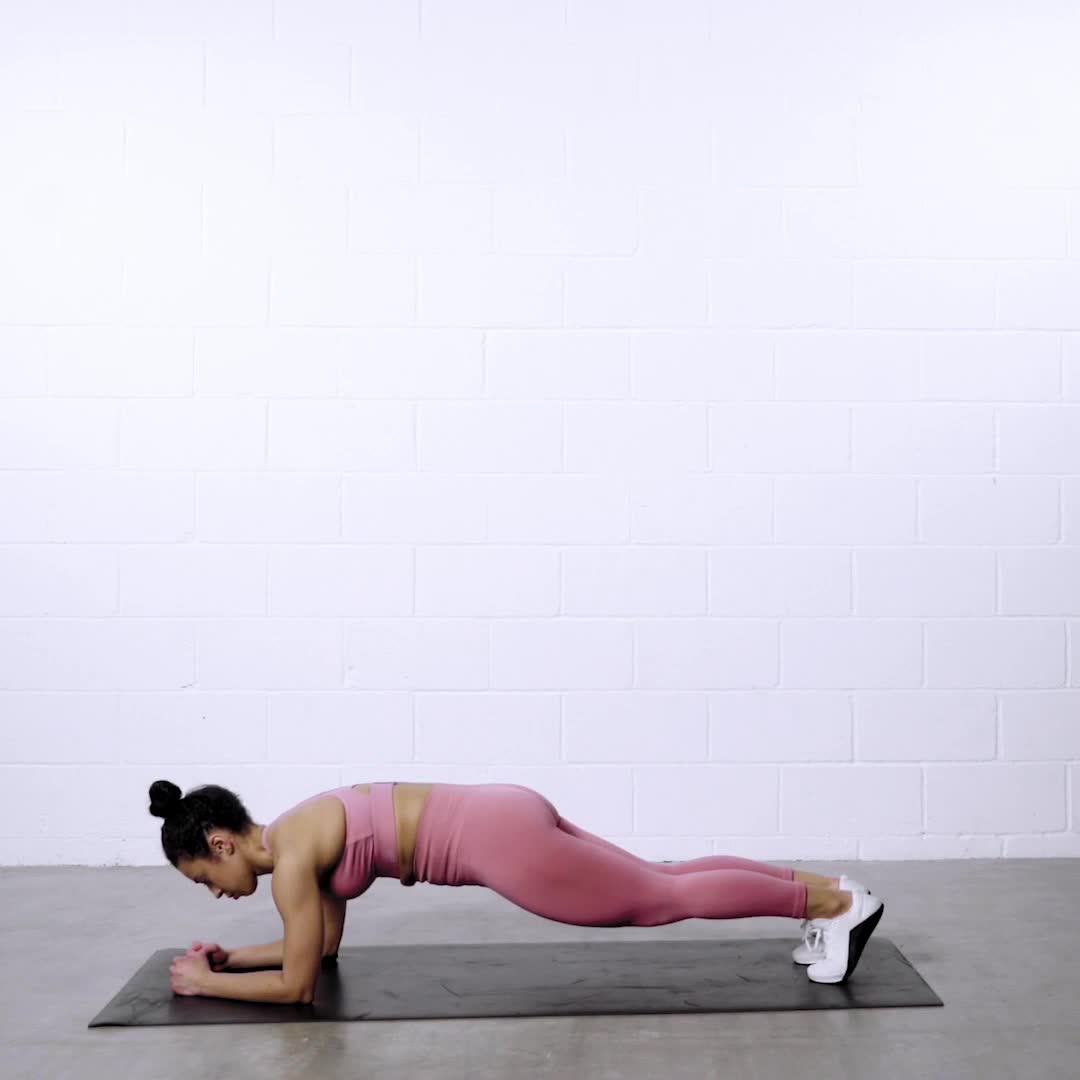
As we get older, the way we train our core muscles changes. It’s less about chasing a six-pack, and more about building a stable, resilient trunk that protects your spine and supports every other movement, Chambers explains.
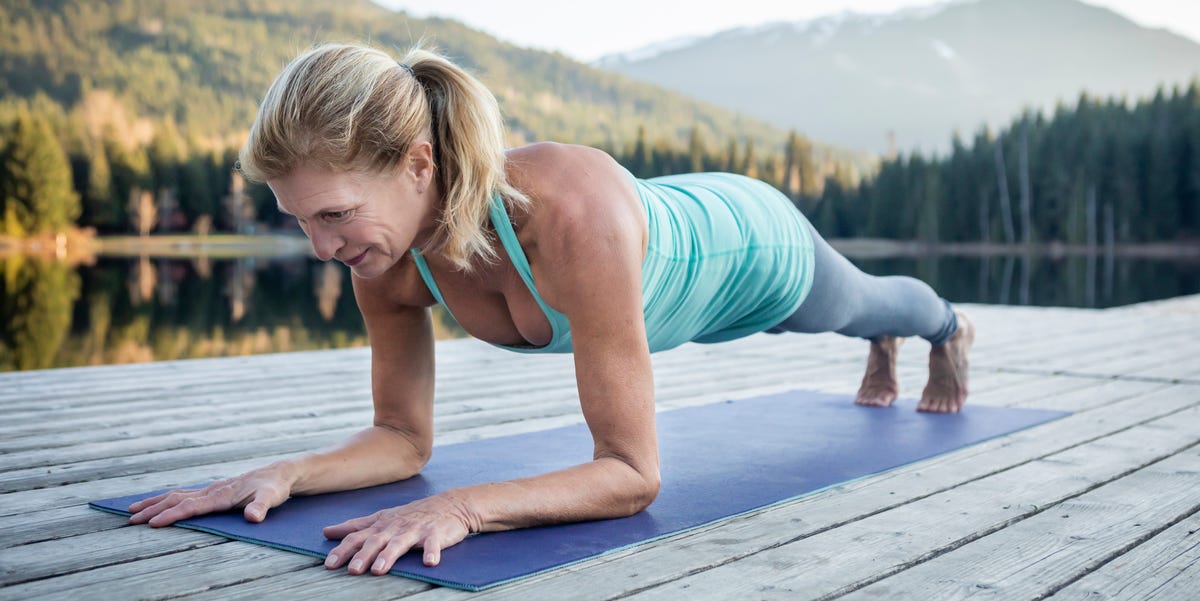
‘The plank teaches you to resist motion, which is exactly what your core is designed to do,’ he says. Maintain tension throughout the exercise. Brace hard, keep good alignment and prioritise the quality of the hold in the right position, he adds.
Start by lying on your front with your elbows bent at 90-degrees and your forearms resting on the floor. Your legs should be straight out behind you.Tuck your toes under, engage your abs and lift your hips off the floor so that your body weight is evenly distributed between your forearms and your feet.
Keep your shoulders directly above your elbows and look at the floor.
Focus on keeping your abs and glutes squeezed hard throughout so that your body is in a straight line from shoulder to ankle with a neutral spine.
Side plank
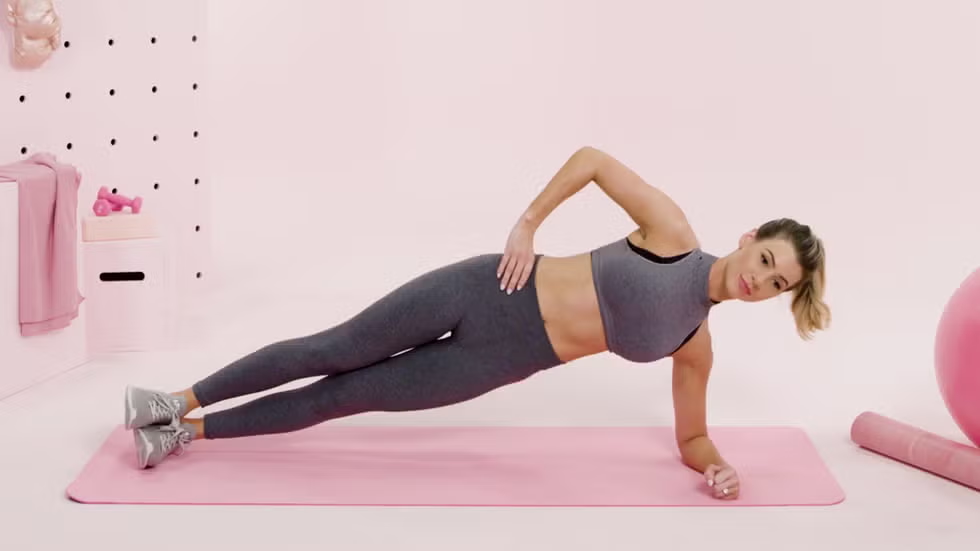
Adding the side plank brings in side (lateral) stability, which is crucial for balance and injury prevention, Chambers says.
Lie on your side with your forearm flat on the floor, bottom elbow lined up directly under your shoulder and both legs extended out in a long line. Feet can either be staggered for more stability, or stacked for more of a challenge. Engage your core and lift your hips off the floor, forming a straight line from your head to your feet. Hold for 15 to 30 seconds. Your top hand can be on side of your hip (easier) or reaching up to the ceiling (harder).5. Chin-ups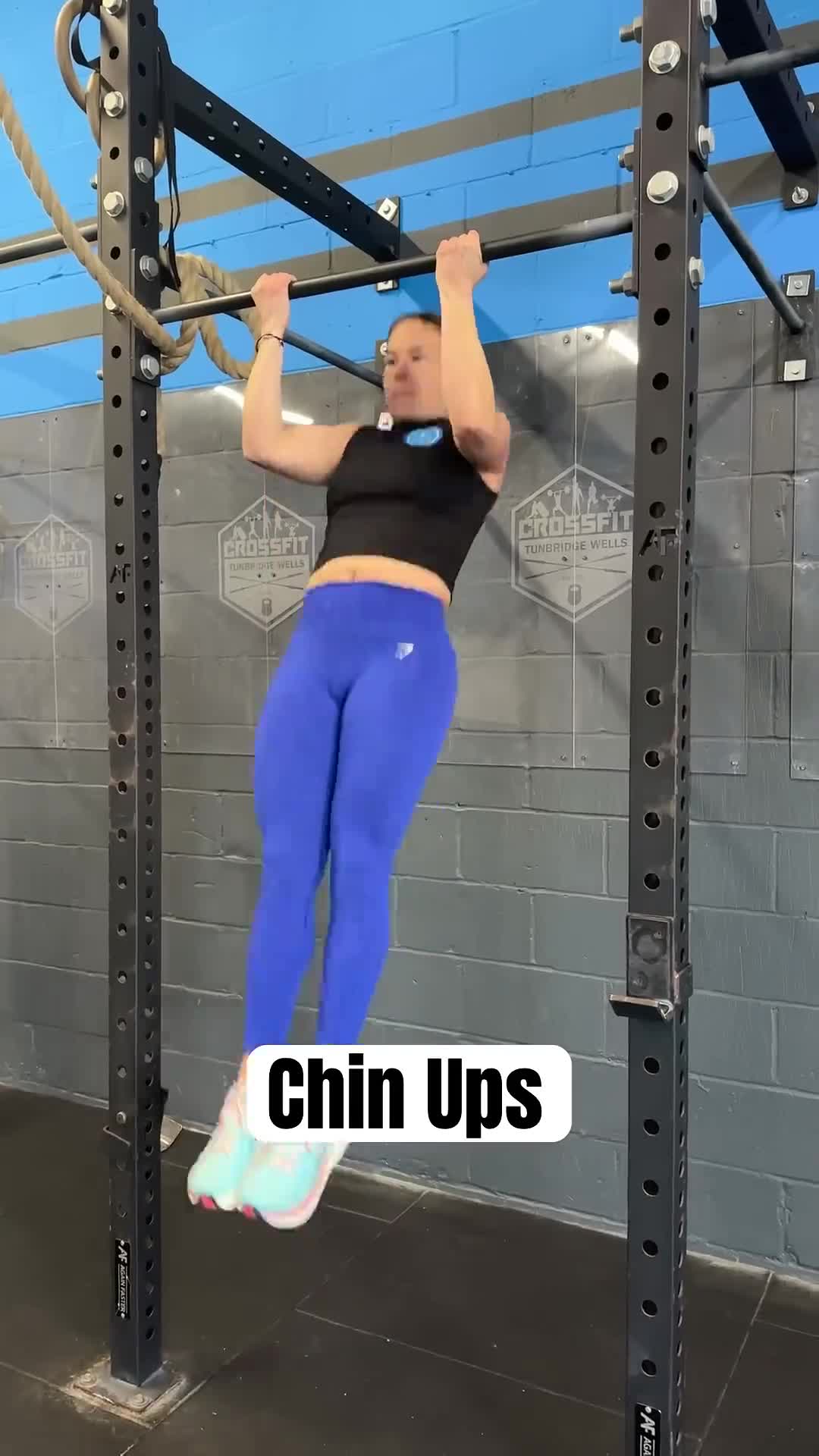
Chin-ups might feel ambitious and it might initially put someone in their 60s off, but Chambers insists he’s seen it done.
‘Strength is relative, so working towards something like a chin-up builds muscle and confidence. It targets the back, biceps, and grip, which are areas that are critical for posture and overall strength,’ he says.
Even if you start with assistance or negatives – when you jump up to hold your chin above the bar and then slowly lower down – you’re still building muscle and moving in the right direction.
Use a step or bench to get to the handles, or jump up if you can. Hang in a neutral grip, cross your lower legs and squeeze your glutes. Keep your chin and head in a neutral position. Pull your body up until your chin clears the bar.Lead with your chest all the way and hold at the top.Aim to get your shoulder blades pinched together at the top.Slowly lower with control all the way down to the bottom. 6. Split squat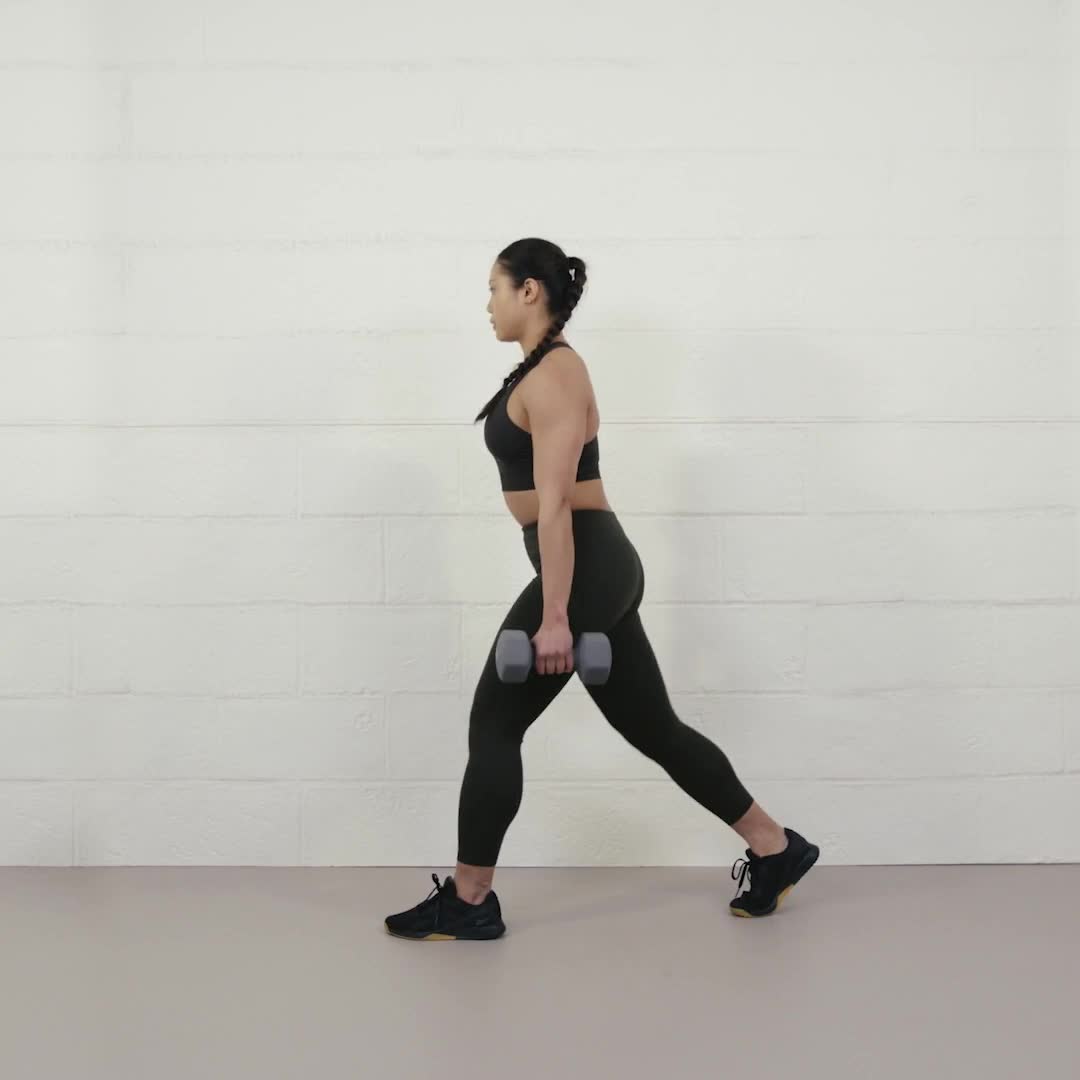
The split squat is one of the most effective lower-body exercises you can do, especially as you age, Chamers says. ‘Like the step-up, it’s unilateral. But it also challenges balance and control in a slightly different way by building strength without excessive joint stress, improving hip and knee stability, and developing control through a full range of motion.’
Stand with your feet shoulder-width apart. Place your hands on your hips and tuck your elbows in. Step backwards and place your toes on the floor. Drop your back knee down towards the floor and drive your front knee forward.In the bottom position, your front foot should be flat and your back knee bent at 90 degrees and one to two inches above the floor.Pause for a moment at the bottom, keeping your upper body braced and tension in your legs.Push through the front leg to reverse the motion to return to the start position.
Having a strong core is about far more than sporting a six-pack. Build functional mid-section strength – while also improving your power, posture, coordination and balance – with WH COLLECTIVE coach Izy George’s 4-week core challenge. Download the Women’s Health UK app to access the full training plan today.
 Related Stories