




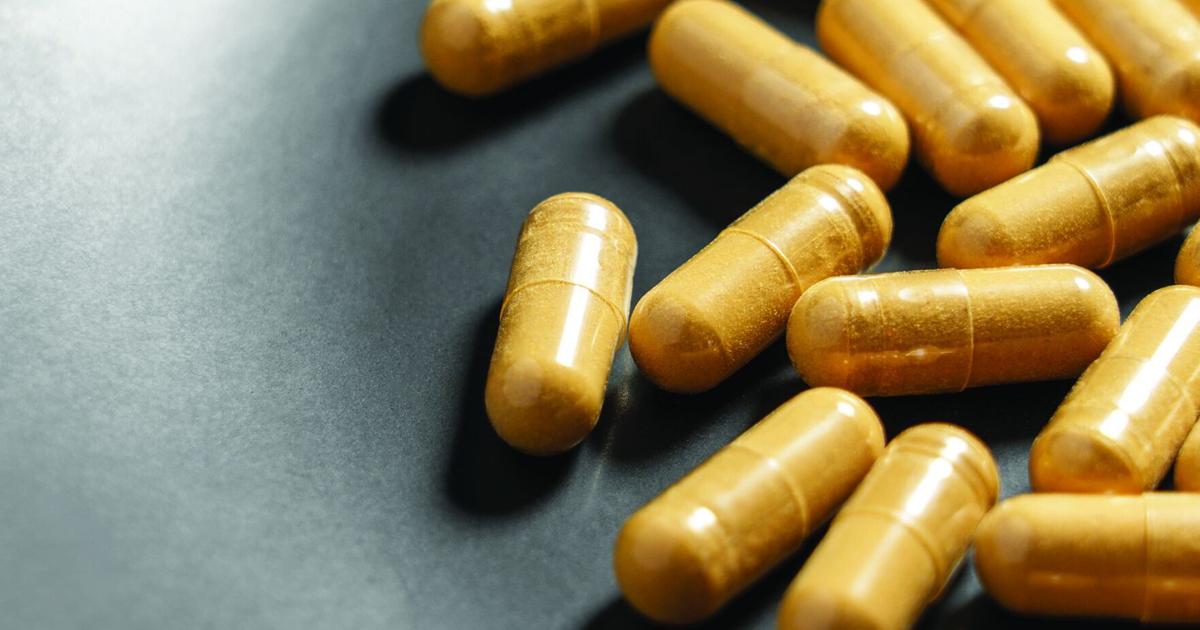
There are literally hundreds of dietary supplements and combinations of vitamins with other supplements on the market, but the jury is out as to whether many of them afford any positive effects on our health. One of the latest in recent popularity appears to be the botanical ashwagandha. A botanical is not a vitamin or mineral and does not have an established function in human nutrition, but still may offer health benefits. Ashwagandha is the Sanskrit name, so called because the plant’s roots smell like a wet horse, “Ashwa” for horse and “gandha” which means smell. It is sometimes referred to as winter cherry. Also known by its Latin name, Withania somnifera, this is an evergreen shrub grown in the tropical and subtropical areas of India, Africa and the Middle East.
According to the American Botanical Council, sales of this supplement exceeded $92.3 million in the year 2021, 225% more than in 2020. Popularity has skyrocketed in recent year as users tout its benefits on social media and in health publications. By 2024, the sales were $59.75 million in the United States and globally exceeded $1.8 billion.
Barbara Sorkin, Ph.D., is the director of Botanical Research Centers at the National Institutes of Health’s Office of Dietary Supplements (NIH). She said in an interview with Helio, an online site for health care professionals, “Ashwagandha has been used in traditional Ayurvedic and Unani medicine systems of India as an adaptogen, which is loosely defined as a compound or product that increases the ability of a person to resist, adapt or become resilient in nonspecific ways to biological, physical, or chemical stressors.” In the ancient medical systems, ashwagandha was referred to as “rasayana”, a rejuvenator with “balavardhan,” a vital energy increment. This medicinal plant has been used for over 3,000 years in Ayurvedic and indigenous medicine to treat a variety of illnesses including asthma, high blood pressure, stress and anxiety, arthritis, cancer and diabetes. It has also been used as an aphrodisiac, stimulant, narcotic and diuretic. Research has been underway for several years to look for health benefits. Most of the studies used extracts made from the roots of the plant; fewer have used the extracts from the leaves. The predominant research has focused on its effects on sleep, general stress and anxiety.
Many of the research studies were done with few subjects. A 2019 study, published in the September 2019 issue of the journal Medicine looked to measure the antistress and mood-enhancing effects of ashwagandha in 60 study subjects. Half took a standard 240 mg dose and half took a placebo. After 60 days, blood tests measuring cortisol (the stress hormone) and both the Hamilton Anxiety Rating Scale (HAM-A) and the Depression, Anxiety and Stress Scale (DASS-21) tests were administered to the study participants. The researchers found that those taking the ashwagandha had statistically reduced levels of cortisol and improved scores on the HAM-A and DASS-21. These results suggest that this botanical supplement may reduce anxiety and distress but further studies are warranted with larger groups. Another study, published in the Jan. 10, 2021 issue of the Journal of Ethnopharmacology, evaluated the effects of ashwagandha on sleep quality in both people who suffered from insomnia and those who reportedly slept well. There were 80 study participants, 40 with healthy sleep and 40 with insomnia. Both groups reported significantly improved sleep though those with insomnia had greater improvement in their sleep quality. Yet another study examined ashwagandha’s potential effect on cardiorespiratory endurance and recovery and was also published in the Journal of Ethnopharmacology, May 23, 2021. This was conducted in India with 50 healthy subjects, half of whom received the supplement. The ashwagandha group showed an improvement in how much oxygen their bodies used during exercise and they also reported increased energy and recovery from fatigue. The researchers also noted that ashwagandha group demonstrated an improved stress management capability and that there were no adverse effects reported by any of the study participants. Pharmaceutics, March 24, 2023, examined recent findings and highlighted positive potential effects such as cardioprotective, neuroprotective, anti-inflammatory, antimicrobial and sedative properties. The authors also cautioned that further studies are needed.
The usual daily dose ranges from 225 to 600 mg to lower cortisol levels, improve sleep, and reduce anxiety. Unpleasant side effects may occur with this supplement. Nausea, vomiting and diarrhea have been reported, possibly due to irritation of the stomach and intestinal lining. Drowsiness and itching have been reported. A few cases of impaired liver function have been reported with high (over 1300 mg) doses. Concern has arisen regarding potential impact on thyroid function interactions between ashwagandha and thyroid medications as well as other medications. Most health care providers and researchers advise against its use in pregnancy, in people with autoimmune diseases, thyroid conditions and prostate cancer. Long-term studies are needed to assess both benefits and risks of using this supplement.
Dr. Sorkin commented that ashwagandha seems to be “well tolerated for up to about three months of use” but its safety and long-term effects beyond that point is still unknown. The NIH’s Office of Dietary Supplements has information on this and other supplements on their website, ods.od.nih.gov/factsheets/ashwagandha. Caution is advised and consultation with your health care provider is recommended and should include possible interactions with other medications, supplements and even certain foods.