




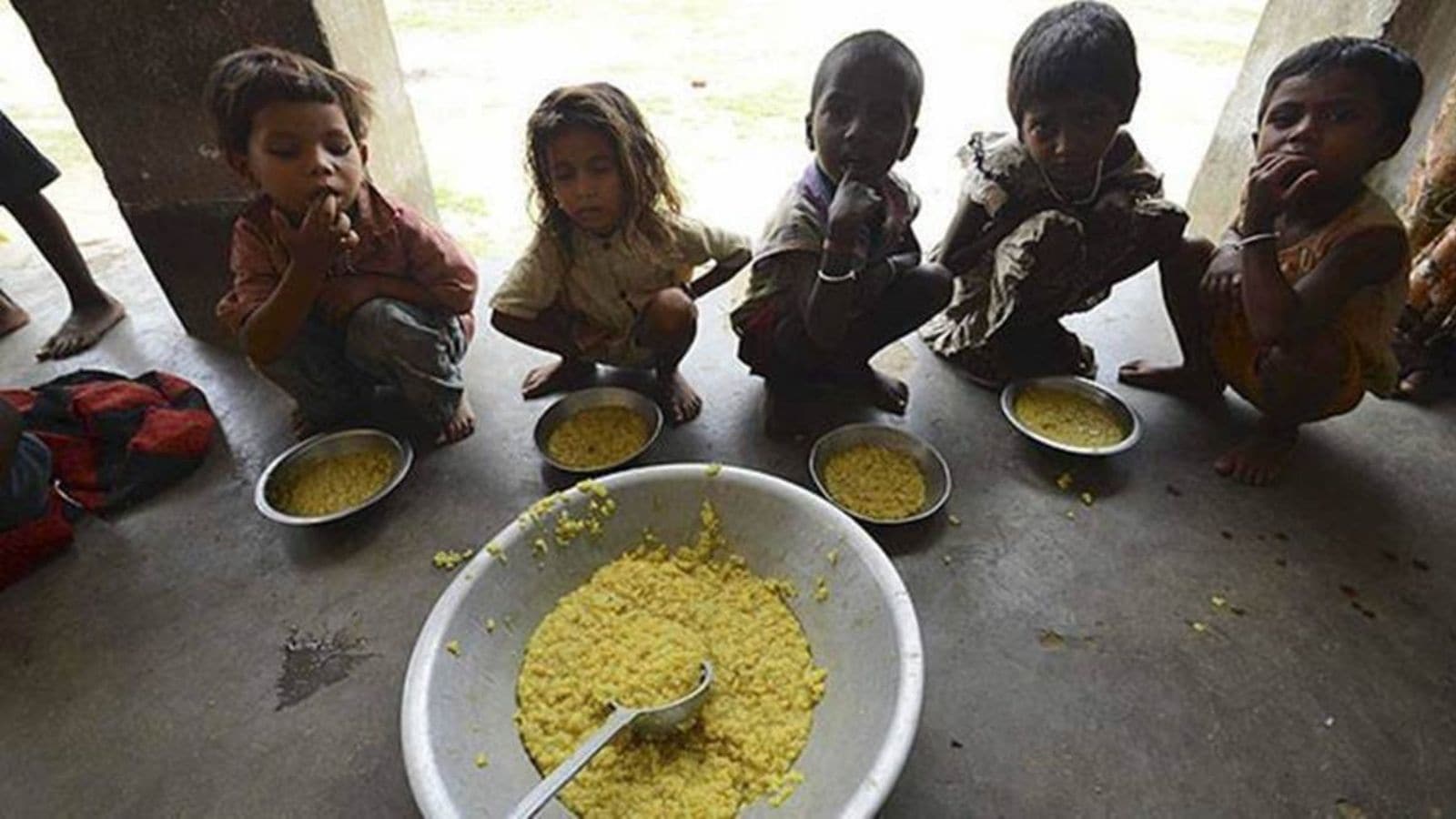
As India observed POSHAN Pakhwada last month, attention was focused on improving nutrition outcomes for women and children. This year’s emphasis on early brain development is especially timely. Global evidence suggests that investments in early-childhood development can generate significant economic returns — through higher future earnings, better learning outcomes, and reduced social costs — often exceeding returns from those made later in life. Advances in neuroscience show that early childhood represents a once-in-a-lifetime window, when nutrition, health, stimulation, and responsive caregiving together shape the developing brain.

Over the past two decades, India has laid a solid foundation. The National Food Security Act, POSHAN Abhiyaan, ICDS, maternity benefits, and school meals reflect sustained policy commitment. The National Education Policy, 2020 recognises Early Childhood Care and Education as a crucial “foundational stage”, with the goal of universal, quality pre-primary education by 2030. At the same time, national surveys continue to report high levels of stunting, wasting, and anaemia, as well as learning gaps.
In early childhood, nutrition and development outcomes depend critically on the quality of care children receive. Delivering its full spectrum requires convergence across the sectors responsible for health, nutrition, childcare, and early learning.
The anganwadi network has been a cornerstone of service delivery, providing nutrition, health, and early learning support at scale. In practice, however, different systems prioritise different objectives. Anganwadis largely focus on food supplementation; health systems emphasise survival and disease control; and childcare and early learning receive comparatively less attention until children reach school age, particularly for those under three. These gaps are most visible for working families in agriculture, construction, domestic work, and other informal occupations. When childcare is hard to access, families are forced into difficult choices, affecting both children’s development and women’s ability to work.
All this underscores the need for stronger structural support. Several initiatives point the way forward. Karnataka’s Koosina Mane demonstrates how community-based childcare, supported through converged funding and panchayat leadership, can benefit both children and working mothers. Mobile Creches has shown the feasibility of providing childcare near worksites in urban informal settings. The Centre’s Palna initiative, which strengthens anganwadi-cum-crèches for children of working parents, reflects growing recognition of the need to integrate childcare within existing service platforms.
Building on these experiences, India can strengthen early brain-development outcomes through three practical administrative priorities. First, make care a defined function of existing frontline platforms. Anganwadi centres and primary health services already reach families during pregnancy and early childhood. Clear instructions can enable these platforms to integrate counselling on responsive caregiving and maternal well-being alongside nutrition services. Structured caregiving messages can be incorporated into routine antenatal visits, immunisation days, and home-based care schedules. Where feasible, anganwadi activities can be adjusted to better serve younger children and working caregivers.
Second, link childcare provision more deliberately with livelihoods and social protection programmes, with an enabling role for the private sector. This requires clearer guidance allowing local governments to use converged funds for community-based childcare, particularly in high-migration and informal-work settings. Simple measures — such as locating childcare centres near worksites, markets, or villages with high female labour participation — can significantly reduce care-work trade-offs.
Third, strengthen programme reviews by tracking child development outcomes alongside service delivery. While nutrition programmes are closely monitored, reviews often focus on inputs such as rations distributed or beneficiaries reached. Routine reviews should also consider a small set of child development indicators, service-quality measures, and equity markers. Better use of existing data systems across sectors can support local planning and accountability without adding undue reporting burdens.
The timing is right. As India invests in human capital and advances towards the vision of Viksit Bharat 2047, ensuring that children not only survive but thrive is central to inclusive growth.
Swaminathan is chairperson, M S Swaminathan Research Foundation and former chief scientist, WHO. Sharma is principal scientist (grade II), Health and Nutrition Policy, MSSRF