




Bodhichita/Getty Images
If you had to guess the single state in the U.S. without a natural lake, you might think of somewhere dry. Arizona? Utah? New Mexico? But no, these places actually have a good number of lakes — at least 128, more than 1,000, and more than 1,200, respectively. You might guess a state that’s unlike any other, like Hawaii, but even this island chain has five natural, permanent lakes. Maybe somewhere tiny, like Connecticut; but the third-smallest state has 180 sizable public lakes, some of which are natural. Most people would hear the answer and exclaim, “Wait, really? Maryland?”
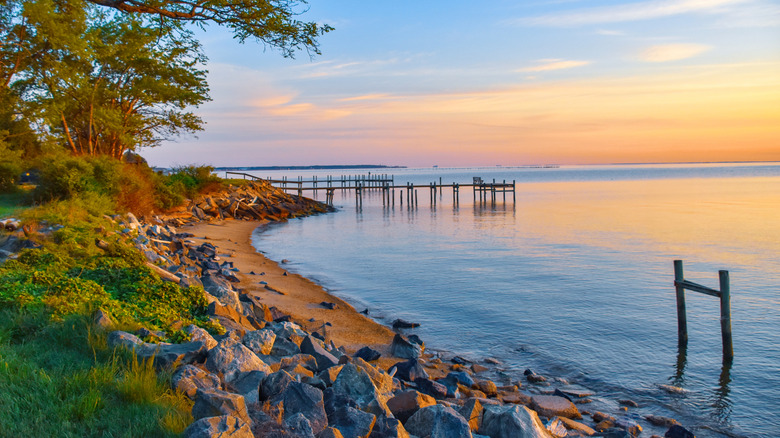
There are so many reasons you’d think this east coast state would have at least one designated lake. This is a land of farms and rolling hills. Maryland is relatively tiny, but it’s hardly the smallest; it’s actually ranked as the ninth-smallest state in America. And when people think of the Old Line State, they frequently think of water. Its land mass is nearly cut in half by Chesapeake Bay, the largest estuary in the U.S. and a world-famous destination for boaters and anglers of all kinds.
What’s more, the western highlands of Maryland merge with Appalachia, which would seem like fertile ground for natural lakes. Maryland has charming mountain towns and inviting cities on the Chesapeake Bay with sleepy waterfront vibes. But large, ancient bodies of fresh water? Not one.
Maryland’s many alternatives to natural lakes
Patricia Anderson/Getty Images
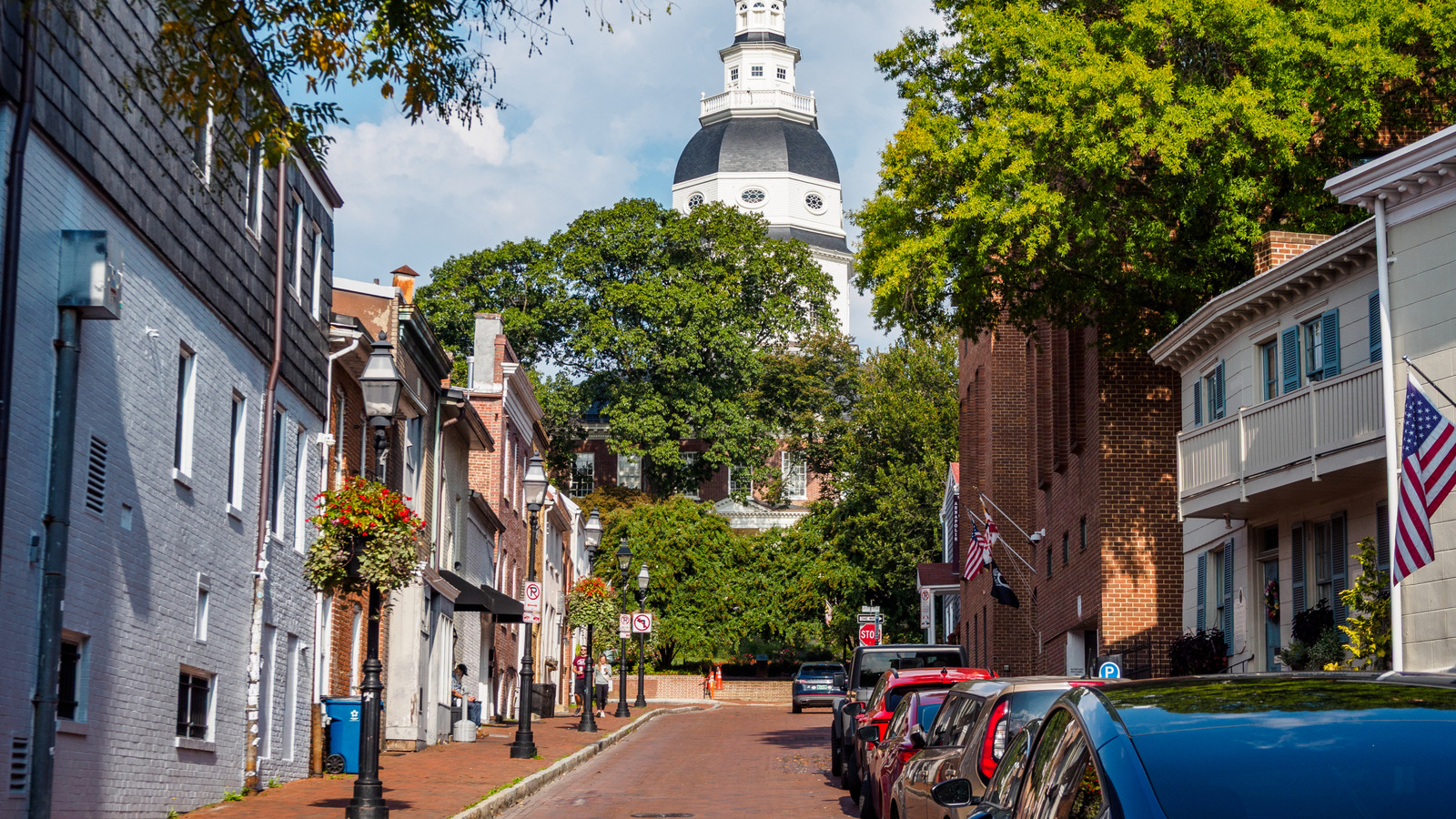
What does an absence of natural lakes mean? Clearly, Maryland has a good amount of water. The most famous part of Baltimore is known as the Inner Harbor, a waterfront district famous for its museums, dining, and nightlife. Annapolis isn’t just on the water; it’s the location of the U.S. Naval Academy’s main campus. Historic, eastern shore cities like Cambridge spotlight vibrant downtowns, Victorian charm, and natural preserves.
Maryland also has a lot of inland bodies of water, so why wouldn’t these count? As it happens, the definition of “lake” is pretty dubious; they are theoretically larger and deeper than ponds, but there’s no precise standard, and the distinction is pretty vague. Maryland has thousands of stormwater ponds, which are smaller than lakes and are so named because they drastically change in size with different levels of rainfall.
Meanwhile, civil engineers have created more than 100 artificial lakes across Maryland, thanks to damming and reservoir projects. However, visitors might not notice a difference. Whether a body of water was created by melting glaciers or diverting a river doesn’t matter much, as long as you can splash around and cast a reel. Indeed, many of these human-made lakes serve as destinations for paddlers, swimmers, and campers. Standouts include a majestic hidden lake with a white sand beach and a canyon lake paradise inside a mountainous Maryland state park.