




From mammogram guidelines to cancer supplements and ibuprofen risks, here’s what doctors want you to know today.
CLEVELAND — There’s a gap between what federal guidelines recommend for breast cancer screening and what women actually want — and a new national survey suggests women may be ahead of the curve.
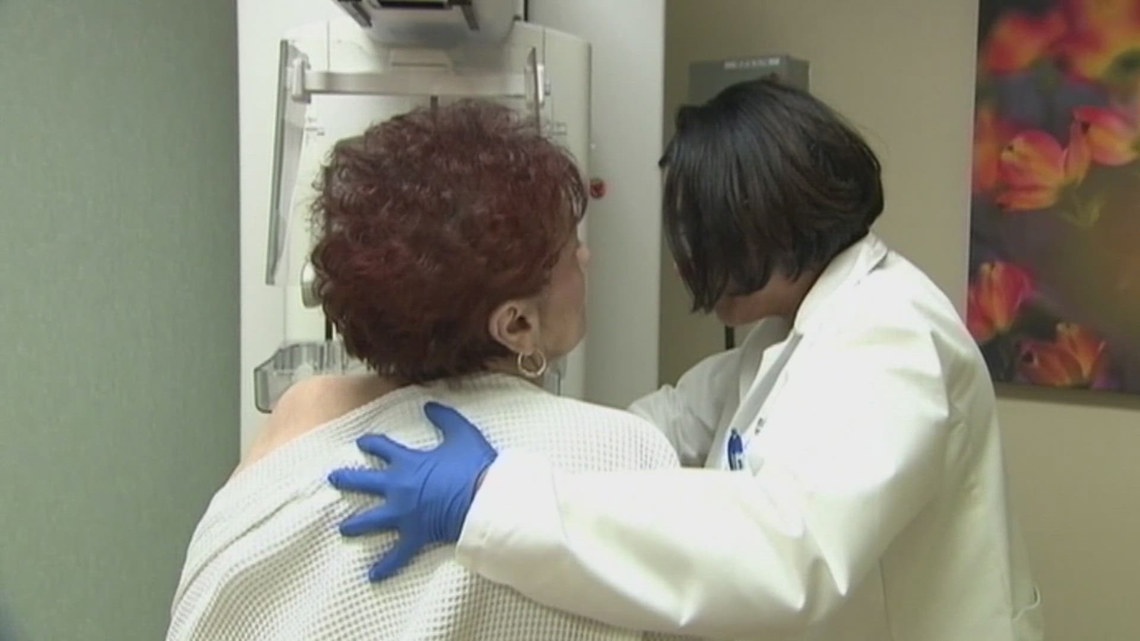
A survey commissioned by The Ohio State University Comprehensive Cancer Center finds more than half of women — fifty-one percent — believe mammograms should happen every year, not every other year as the U.S. Preventive Services Task Force currently recommends. More than four in ten say screening should start as early as age 35. Breast imaging specialists at the OSU Comprehensive Cancer Center side with those women, strongly recommending annual mammograms starting at age 40 for all average-risk women — regardless of family history.

This story continues below.
The survey also finds women view breast cancer screening as a multi-pronged effort. Alongside mammograms, sixty-five percent say breast self-exams should be part of the picture, sixty-four percent include blood tests or cancer screening panels, fifty-four percent point to ultrasound, and fifty-three percent say a clinical breast exam should be standard.
Supplemental screening with ultrasound or MRI can be appropriate — particularly for women with dense breast tissue or elevated risk. But mammography remains the foundation. MRI, while highly sensitive, generates more false positives than mammography, making it a supplement rather than a substitute for most women.
Know Your Risk at 25
One of the most actionable — and least publicized — recommendations from breast imaging specialists: all women should consider a breast cancer risk assessment by age 25. The process is simple, usually a brief conversation or survey with a provider, and produces a lifetime risk percentage that shapes when and how often to screen.
For women at higher risk — including those with a mother, sister, or daughter diagnosed with breast cancer — screening may need to start well before 40. The general guideline: begin mammograms ten years before the age at which that first-degree relative was diagnosed. So if a mother was diagnosed at 42, her daughter should start screening at 32.
One in four women ages 18 to 29 say they would wait for symptoms — lumps, pain, or other changes — before seeking any screening. Breast imaging specialists say that approach risks later-stage diagnoses that are significantly harder to treat. Screening exists precisely to find cancer before anything feels wrong.
That Anti-Aging Supplement May Work Against Cancer Treatment
If you or someone you love is undergoing chemotherapy, it’s worth checking the supplement cabinet. New research from Case Western Reserve University finds that popular Vitamin B-3 supplements — including NMN, NR, and nicotinamide, often marketed to boost energy and slow aging — may actually help cancer cells survive treatment. These supplements work by boosting NAD+, a molecule every cell needs to function. In healthy people, that can be beneficial. But cancer cells hijack that same fuel to repair DNA damage from chemotherapy and avoid the cell death that treatment is designed to trigger. While the findings focus on pancreatic cancer, researchers say all cancer patients on chemo should check with their oncologist before taking any supplements — and are calling for routine supplement screening across all cancer care.
The Ibuprofen Rules Most People Don’t Follow
Ibuprofen is in nearly every medicine cabinet — but Cleveland Clinic physicians say most people don’t know its limits. Adults should take no more than one or two regular-strength tablets every four to six hours, and no more than twelve-hundred milligrams in a single day. It should never be taken more than ten days in a row for pain, or three days for a fever. Long-term use is linked to more than one-hundred-thousand hospitalizations a year, with risks that include stomach bleeding, kidney damage, and heart problems. Reaching for it every day is a signal something bigger may need attention.