



The US Department of Agriculture (USDA) Food, Nutrition, and Consumer Services mission area is introducing the Food and Nutrition Program. The initiative will reorganize and relocate staff and program leadership from Washington, D.C., to locations throughout the country.
By relocating its programs, the USDA intends to realign its focus directly to the states that administer the department’s nutrition programs, the taxpayers who fund them, and the households that benefit from them. Moving from regional offices to spread-out Hubs seeks to improve program support across the US.
The agency assures this customer service shift will not disrupt program execution or efforts to eliminate fraud, waste, and abuse across the USDA’s 16 nutrition assistance programs.
Overall, this new structure aims to strengthen customer service to the families who rely on these programs while enhancing collaboration between employees and partners.

The department’s Deputy Secretary Stephen Vaden says this reorganization is “long overdue.”
“The Food, Nutrition, and Consumer Services mission area has not had a Senate-confirmed Under Secretary in nearly two decades, and the shift to the Food and Nutrition Administration will better align with other benefit programs administered across the federal government,” he comments.
“This reorganization also reduces duplicative management and complexity within the agency, better prioritizes State service and participant needs, and expands the department’s presence to fight fraud, waste, and abuse.”
Although the USDA seeks to boost its nutrition services, the move has received backlash from groups like the Food Research & Action Center (FRAC), which is calling for the reorganization’s halt. Its recent USDA analysis revealed that 82% of people do not support its relocation amid concerns around program effectiveness and effective regional governance.
FRAC notes that the relocation away from Washington, D.C., will cause a “brain drain,” while program execution would be disrupted, as the USDA has not yet provided a plan showcasing how the effectiveness of nutrition programs will be upheld.
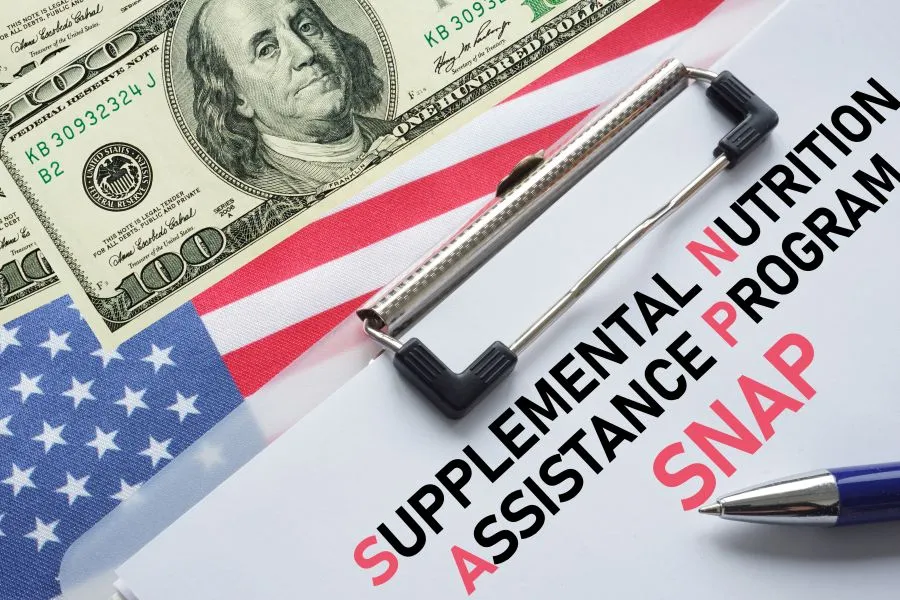 The SNAP program will be moved to Indianapolis.Spreading out programs
The USDA has not yet announced a date for the transition. It detailed that the SNAP (Supplemental Nutrition Assistance Program) program will be moved to Indianapolis, the Child Nutrition Programs to Dallas, the Supplemental Nutrition and Safety Programs to Kansas City, and research programs will be moved to Raleigh, North Carolina.
Additionally, the Denver Hub will serve as the Emergency Management and Continuity of Operations location. Offices in Atlanta, Los Angeles, Dallas, and New York will manage retail and compliance.
“On my first day leading the People’s Department, I shared several commitments to our state, tribal, territory, and local government partners, including prioritizing customer service and infusing each nutrition program with new energy and vision,” says Brooke Rollins, secretary at USDA.
“This reorganization is designed with those commitments in mind. I look forward to working with our partners as we continue to nourish children and families in need through nutrition programs that not only are provided by America’s farm families, but programs that pave a pathway to better health and economic stability.”
Worried about the reorganization, FRAC reflects on the consequences of a smaller 2019 USDA relocation of most staff at research agencies from Washington, D.C. to Kansas City, which led to mass staff departure, work disruptions, and reduced productivity and diversity.
Earlier this year, the US published its annual Household Food Security report, finding that national food insecurity is slowly rising. The report found that one in seven households (13.7%) were food insecure or lacked access to an affordable, nutritious diet in 2024. This includes 14.1 million children, which is slightly more than the 13.8 million reported in 2023.