


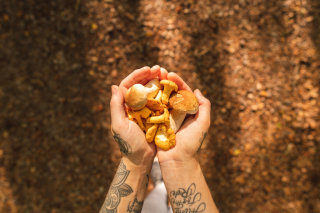
Researchers at McGill University have discovered that moderate ultraviolet (UV) light exposure is best when the technique is used to enhance vitamin D₂ in edible mushrooms. Excessive exposure leads to nutrient degradation or a plateau effect, they found. The paper also provides quantitative guidance.
The researchers’ work supports efforts to address vitamin D deficiency, which affects between 30 and 50 per cent of the world’s population, as well as enhance the nutritional value of mushrooms more broadly.
“While many studies demonstrated that UV could improve mushroom nutrition, there hasn’t been a standardized or optimized set of conditions that researchers and industry can reliably follow,” said Valérie Orsat, Professor of Bioresource Engineering and study co-author.
“Our findings highlight a clear gap: the need for species-specific and unified UV treatment guidelines. These should define safe and effective ranges that consistently enhance nutrients like vitamin D₂ without compromising quality attributes such as texture, colour or overall consumer appeal,” she said.
Regulatory bodies like the U.K. Food Standards Agency and Food Standards Scotland have confirmed that UV-treated mushroom products are safe for consumption. Human studies have already shown that consuming UV-treated mushrooms can increase vitamin D levels, confirming their nutritional benefit.
Meta-analysis fills in the gaps
Previous research on this topic has shown significant variability in factors such as UV intensities, exposure times and treatment setups used across studies, often leading to inconsistent outcomes.
In this study, the researchers conducted a meta-analysis of 22 studies published between 2020 and 2025. They gathered and analyzed key variables such as UV intensity, exposure time, dose, mushroom form (sliced or whole) and resulting vitamin D₂ levels, and applied a response surface analysis – a statistical modelling technique – to map how these variables interacted.
This approach allowed them to identify the safe and optimal treatment zone, the conditions that maximized vitamin D₂ while maintaining mushroom quality, for each species.
“In short, we moved beyond individual studies to build a data-driven, unified picture of what works best,” Orsat said.
Blue and green light to be considered
Soon, the team will begin exploring how different types of light, such as blue and green light, can be used individually or in combination with UV to enhance a broader range of desirable compounds found in mushrooms.
“Future research is shifting toward a more integrated approach, using strategically programmed light treatment from cultivation through post-harvest and storage,” said Augustine Edet Ben, study co-author and a McGill PhD student. “The idea is to develop synergistic light treatments that not only boost vitamin D₂, but also improve other nutrients, bioactive compounds and overall quality through storage and retail display.”
“Ultimately, this could lead to standardized, scalable light-based technologies for the mushroom industry, delivering safer, more nutritious and functionally enhanced products across the entire supply chain,” he said.
About the study
“UV-Induced Nutritional Transformation of Mushrooms: From Molecular Shifts to Health Outcomes,” by Augustine Edet Ben and Valerie Orsat, was published in Food Research International.
The research was funded by the Natural Sciences and Engineering Research Council of Canada and the Fonds de Recherche du Québec – Nature et technologies.