




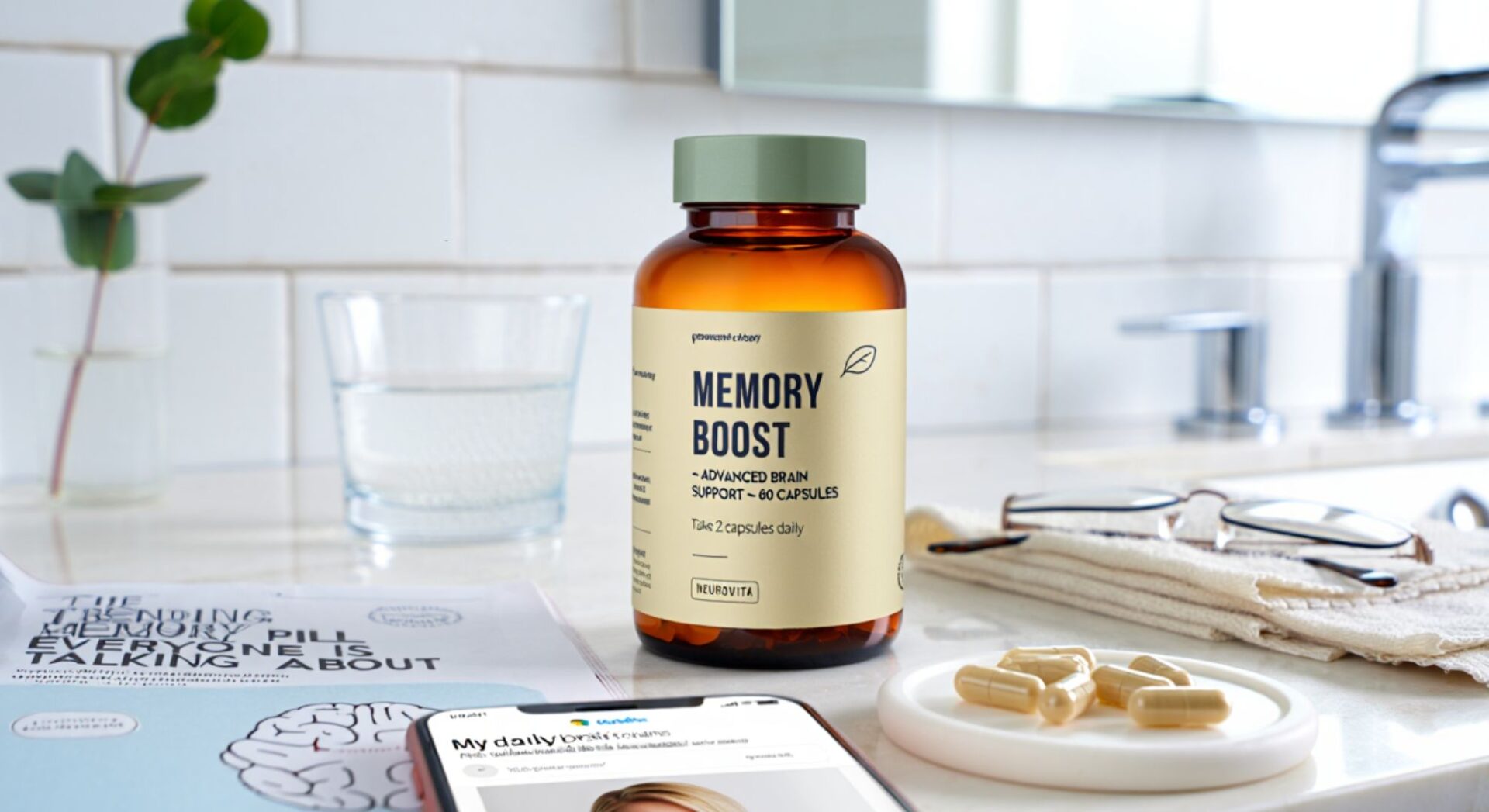
I spend my days listening to brains—stories of fog, lapses, misplaced names. When someone waves a trendy capsule and asks if it will fix everything, my pulse quickens. The lure is powerful: one pill, sharper recall, fewer blanks. But the brain is not a simple switch. When certain “memory boosters” come up in clinic, I say, “Let’s stop right there.”
Why I ask patients to pause
Most memory supplements promise precision from a very blunt tool. The brain’s chemistry is intricate, and quick fixes tend to oversimplify. “If it sounds effortless, it probably isn’t how biology works,” I tell patients. Supplements in many countries aren’t pre‑approved for effectiveness; labels can be optimistic, evidence thin.
The pill everyone keeps asking about
There’s always a “hot” formula. Today it might be an algae protein, tomorrow a nootropic stack pushed by influencers. One heavily marketed product was challenged by regulators for claims not backed by solid human data; its key protein likely can’t cross the blood‑brain barrier intact. Another trend, alpha‑GPC, made waves after an observational study linked long‑term use with higher stroke risk—an association, not proof, but a red flag big enough to merit a halt. “When risk is uncertain and benefit unproven, the safest move is to wait,” I often say.
Side effects rarely featured on the label
Natural doesn’t mean neutral. Ginkgo can raise bleeding risk, especially with blood thinners. Huperzine A may cause nausea, cramps, even slower heart rate in susceptible people. Stacks with hidden stimulants can spike anxiety, worsen sleep, and make memory problems feel even more relentless. Interactions with antidepressants, seizure meds, or anticoagulants are common and easy to miss.
What actually nudges memory upward
When we zoom out, the strongest levers look boring—and they work. Think less magic, more maintenance. You can build a routine that your hippocampus quietly adores:
Aerobic exercise, 150 minutes a week, improves blood flow and neuroplasticity
7–9 hours of consistent sleep consolidates learning and clears metabolic waste
Treat high blood pressure, diabetes, and hearing loss—huge cognitive risk drivers
Mediterranean‑style eating supports vascular health that your brain depends on
Manage depression and anxiety; mood and memory are tightly braided
Keep learning, socializing, and challenging yourself; novelty grows networks
Moderate alcohol, avoid smoking, and protect your head—helmets matter
“I’ve watched these habits move the needle more than any celebrity pill,” I tell my most skeptical patients.
How to read a supplement label like a skeptic
Bold claims plus fuzzy evidence is a bad recipe. Look for randomized, peer‑reviewed trials in humans, not just petri dishes or mice. Be wary of “proprietary blends” hiding dosages behind branding. If a company leans on testimonials, urgency countdowns, or the word “clinically proven” without a citation, step back. Third‑party testing (USP, NSF) helps verify what’s actually in the bottle—not whether it works. “Before you add a pill, ask what you’re replacing,” I say, because supplements often crowd out the habits that truly help.
But what if you still want to try something?
Curiosity is human. If you experiment, do it transparently and safely. Check meds for interactions with your clinician, start one product at a time, and track sleep, mood, and recall for four to eight weeks. A few options have condition‑specific rationale—vitamin B12 if you’re deficient, omega‑3s for cardiovascular support, possibly modest, delayed effects from bacopa with common GI side effects—but none are memory “upgrades” in healthy adults. “If a pill mattered more than sleep and blood pressure, we’d prescribe it to everyone,” I remind people.
The marketing problem—and the human one
Fear sells, and so does hope. Slick ads frame forgetfulness as a defect you can reverse by clicking “buy now.” But memory is not a muscle you pop to pump; it’s a living system that responds to the daily weather of your body: movement, nutrients, rest, connection, purpose. The work is unglamorous, steady, and profoundly effective.
So when a bottle promises bulletproof recall, my counsel is simple: put it down, take a breath, and fix the fundamentals you can measure. If you’re worried about changes in memory, get a proper assessment—thyroid, B12, mood, sleep, medications, hearing, vascular health. Then build a plan that strengthens the whole system, not just the label on your nightstand.
General information only; not a substitute for personalized care. If you’re considering a supplement, talk with your own clinician—and bring the bottle. “Let’s make sure what you’re adding truly helps—and doesn’t harm.”