




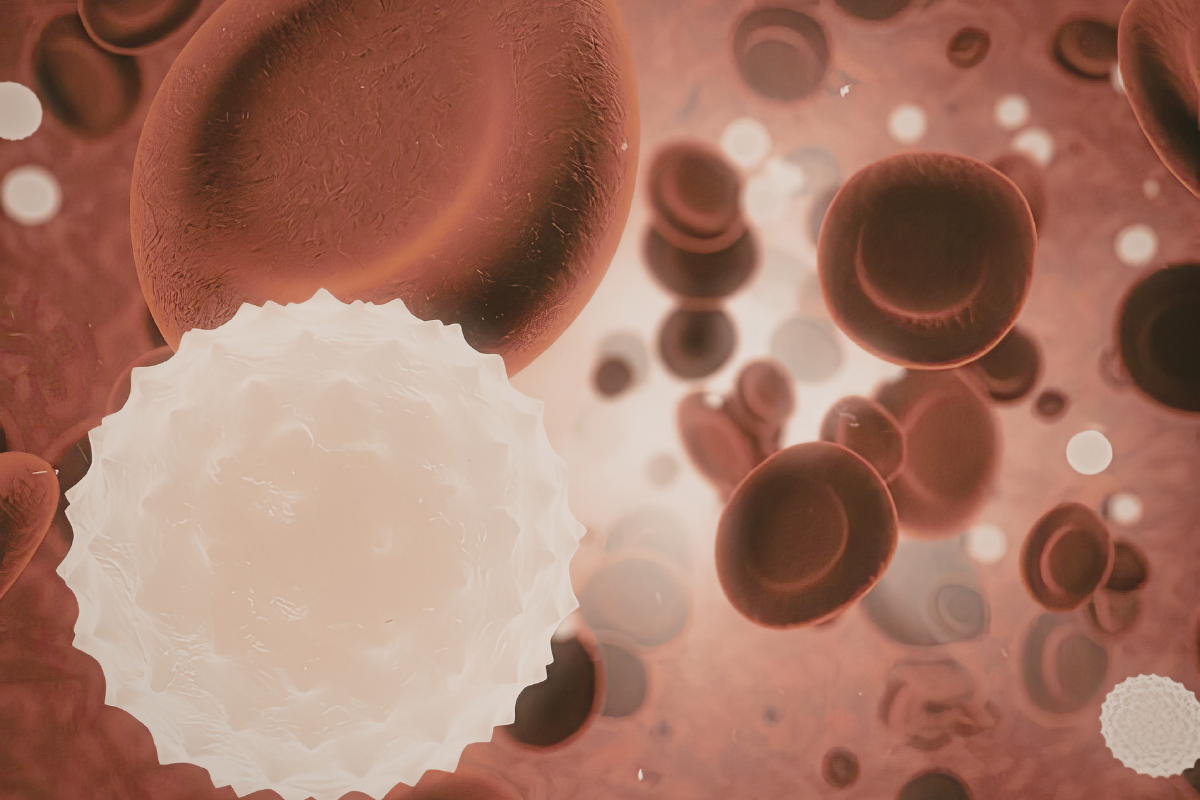
Healthy aging is no longer discussed only in terms of living longer. Increasingly, researchers, clinicians, and wellness experts are focused on how the body maintains function, resilience, and repair capacity over time. At the center of that discussion is cellular health. Every organ, tissue, and biological system depends on cells that can communicate effectively, manage stress, repair damage, and renew when needed.
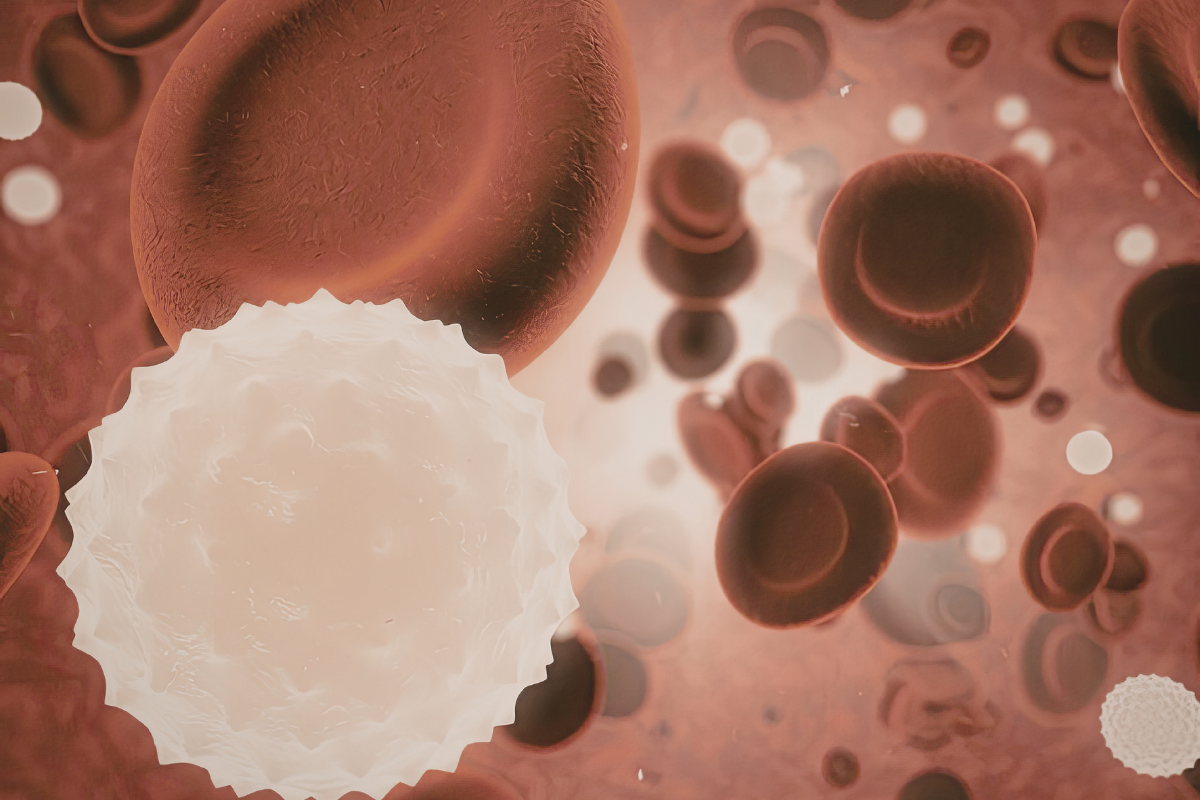
Stem cells are part of this broader biological picture because of their unique role in tissue maintenance and repair. According to the National Institutes of Health, stem cells have the ability to self-renew and can develop into specialized cell types under the right conditions. This makes them a major area of scientific interest in aging research, regenerative medicine, and long-term health optimization.
As interest in cellular wellness grows, many consumers are also exploring nutrition, lifestyle habits, and targeted supplementation as part of a healthy aging routine. A stem cell support supplement is generally positioned around this idea: supporting the body’s natural cellular environment through nutrients and compounds that may help maintain normal cellular function, rather than providing stem cells or acting as a medical treatment.
What Stem Cells Do in the Body
Stem cells are often described as the body’s raw materials. Unlike fully specialized cells, they have the potential to divide and create more cells. In some contexts, they can also give rise to cells with specific functions, such as muscle cells, blood cells, or nerve cells.
This does not mean stem cells are a magic solution for aging. Their role is complex, highly regulated, and influenced by many internal and external factors. Age, inflammation, oxidative stress, sleep quality, nutrition, metabolic health, and environmental exposures can all influence the biological systems that surround cellular repair and renewal.
Researchers study stem cells because they help explain how tissues maintain themselves. For example, the skin, blood, gut lining, and certain other tissues depend on ongoing cellular turnover. When the systems that regulate this turnover become less efficient, the body may become less resilient over time.
Why Cellular Renewal Matters for Healthy Aging
Aging is associated with gradual changes in the way cells function. These changes may include reduced mitochondrial efficiency, increased oxidative stress, changes in immune signaling, and slower repair processes. While these changes are normal, their pace and impact can vary widely from person to person.
Cellular renewal is one part of this larger process. The body constantly removes damaged cells, replaces old cells, and adapts to stress. When cellular maintenance systems function well, tissues are generally better equipped to preserve structure and performance.
Healthy aging strategies often focus on supporting these natural systems. This can include regular movement, protein adequacy, micronutrient sufficiency, quality sleep, stress management, and avoiding habits that place excess burden on the body, such as smoking or chronic overconsumption of alcohol.
The Nutritional Side of Cellular Health
Nutrition plays a foundational role in cellular function. Cells require amino acids, fatty acids, vitamins, minerals, and phytonutrients to produce energy, maintain membranes, support antioxidant defenses, and regulate signaling pathways.
Some nutrients are involved in normal DNA synthesis and repair. Others contribute to mitochondrial function or help manage oxidative stress. Polyphenols, for example, are plant compounds studied for their role in cellular stress response pathways. Minerals such as zinc and magnesium also participate in many biochemical reactions related to cellular maintenance.
This is where the supplement conversation enters the picture. Supplements do not replace a nutrient-dense diet, but they may help fill specific gaps or provide concentrated compounds that are difficult to obtain consistently from food alone. The most responsible way to view them is as support tools, not shortcuts.
What Stem Cell Support Means, and What It Does Not Mean
The phrase “stem cell support” can be misunderstood. In a responsible wellness context, it should not imply that a product contains live stem cells, regenerates organs, reverses disease, or replaces medical care. Oral dietary supplements are not the same as clinical stem cell therapies, and they should not be marketed as treatments for diseases or injuries.
Instead, stem cell support usually refers to supporting the biological environment in which the body’s natural repair and renewal processes operate. That may include supporting healthy inflammatory balance, antioxidant defenses, mitochondrial function, and nutrient availability.
This distinction is important because consumers are often exposed to exaggerated claims in the broader regenerative health space. The U.S. Food and Drug Administration has warned consumers about unapproved regenerative medicine products, including certain stem cell and exosome products marketed with unsupported medical claims. A careful, evidence-informed approach is essential.
Lifestyle Factors That Influence Cellular Resilience
No supplement can outperform an unhealthy lifestyle. Cellular resilience depends heavily on daily habits that influence metabolism, inflammation, and recovery.
Exercise is one of the most studied interventions for healthy aging. Resistance training helps preserve muscle mass and strength, while aerobic activity supports cardiovascular and metabolic health. Both forms of movement influence cellular energy systems and adaptive stress responses.
Sleep is another major factor. During sleep, the body regulates immune activity, hormone signaling, memory processing, and tissue repair. Chronic poor sleep can increase physiological stress and may interfere with normal recovery processes.
Diet quality also matters. A pattern rich in vegetables, fruits, legumes, high-quality proteins, healthy fats, and fiber provides the body with a wide range of nutrients involved in cellular maintenance. Hydration, blood sugar balance, and gut health also contribute to the broader environment in which cells function.
How to Evaluate Supplements in This Category
Consumers should use a cautious and informed framework when evaluating products connected to cellular health or stem cell support.
First, look for clear language. Responsible products explain what they are designed to support without claiming to cure, treat, or reverse medical conditions. Claims should be about supporting normal biological function, not guaranteeing dramatic outcomes.
Second, review the ingredient rationale. A credible formula should explain why specific nutrients or compounds are included and how they relate to cellular health, oxidative stress, mitochondrial function, or healthy aging.
Third, consider quality standards. Manufacturing practices, third-party testing, ingredient transparency, and clear dosage information matter. Supplement quality can vary significantly, so transparency is important.
Finally, speak with a healthcare professional, especially if you are pregnant, nursing, managing a medical condition, taking prescription medication, or considering multiple supplements at once.
The Future of Cellular Health and Aging Research
The science of aging is advancing quickly. Researchers continue to study how stem cells change with age, how the cellular environment influences repair, and how lifestyle factors affect long-term resilience. This does not mean every wellness trend is proven, but it does show that cellular health is a serious and expanding area of research.
The most realistic approach is balanced. Healthy aging is not driven by one nutrient, one supplement, or one biological pathway. It is the result of many systems working together over time. Nutrition, movement, sleep, stress management, metabolic health, and responsible supplementation may all play supporting roles.
Stem cell biology helps explain why cellular renewal matters. Supplements in this category should be viewed through that lens: as potential support for the body’s natural cellular environment, not as medical interventions. For consumers, the key is to stay informed, avoid exaggerated claims, and build a wellness strategy around evidence-based habits that support long-term health.