




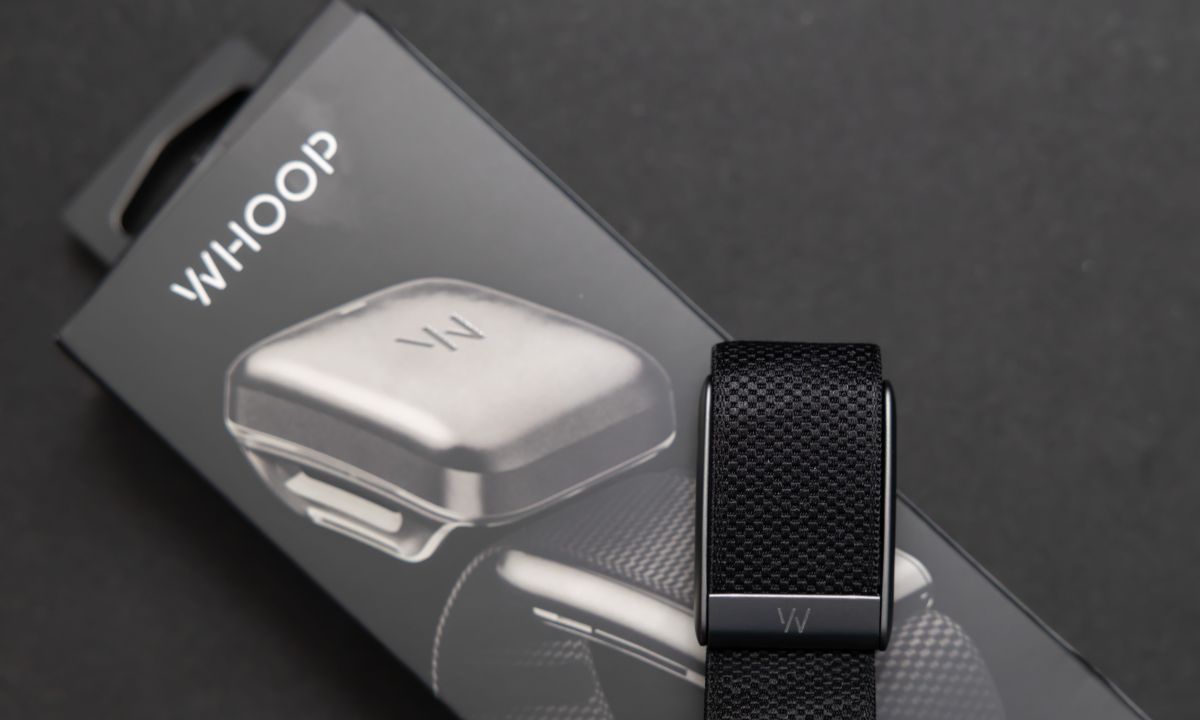
Fitness tracking company Whoop has rolled out a series of health/AI-driven features.
Among the changes, the company said in its announcement Friday (May 8), is Whoop’s entry into the clinical health space with the launch of live, on-demand consultations with licensed clinicians, a service set to roll out this summer.
“Unlike traditional healthcare experiences that rely on brief, episodic snapshots, these consultations begin with a comprehensive understanding of the member’s health, powered by months of continuous data and, when available, bloodwork and medical history,” Whoop said.
As an enhancement to this offering, Whoop says it will now support electronic health record (EHR) syncing. In collaboration with HealthEx, members will be able to securely access clinical history, such as diagnoses, medications and procedures, within the app.
“WHOOP is a membership, and we take that seriously,” said Ed Baker, the company’s chief product officer. “We’re always asking how we can deliver more value to our members, and these upcoming features are some of the most meaningful we’ve ever built, from bringing clinician support directly into the app to advancing our AI coaching to be more personal and actionable than ever.”
Meanwhile, the company is also launching two artificial intelligence advancements: My Memory and Proactive Check-Ins.
Advertisement: Scroll to Continue
The former gives members a centralized place to “view, manage and shape the Whoop AI layer and personalized coaching,” letting them add, edit or delete personal context, ensuring that insights reflect real-world circumstances and evolving goals.
Proactive Check-Ins uses these memories to provide “timely, personalized recommendations, whether that’s prioritizing sleep ahead of a key event or adjusting training based on travel,” the announcement added.
In other wearables news, PYMNTS wrote last week about AI-related advancements in helping these devices track meal logging.
“Health platforms have spent the past decade building retention around body metrics,” that report said. “Food has been the missing variable.”
The report cites Feed.fm figures showing that holistic platforms that combine workout data, recovery and nutrition outperformed single-metric tools in user retention last year, with analysts identifying nutrition as a leading gap for platforms to address in 2026.
Meanwhile, consumer appetite for AI-assisted health tools is expanding alongside the technology. Research from PYMNTS Intelligence found that around one-quarter of American consumers said they’d permit an AI agent to help manage their health and wellness information.
For all PYMNTS AI coverage, subscribe to the daily AI Newsletter.