




The search for fast energy has evolved far beyond the traditional morning cup of coffee. Across the United States, caffeine pouches, energy shots, powdered supplements, caffeine gums, tablets, and drink mixes are becoming increasingly common among consumers looking for a quick mental and physical boost without reaching for cigarettes, nicotine pouches, or sugary energy drinks.
Caffeine itself remains the most widely consumed stimulant in the world, used daily by millions of Americans through coffee, tea, soda, chocolate, and countless energy products. In recent years, however, manufacturers have begun developing new delivery systems designed to provide faster absorption, more convenience, and greater portability. One of the newest additions to that market is the caffeine pouch.
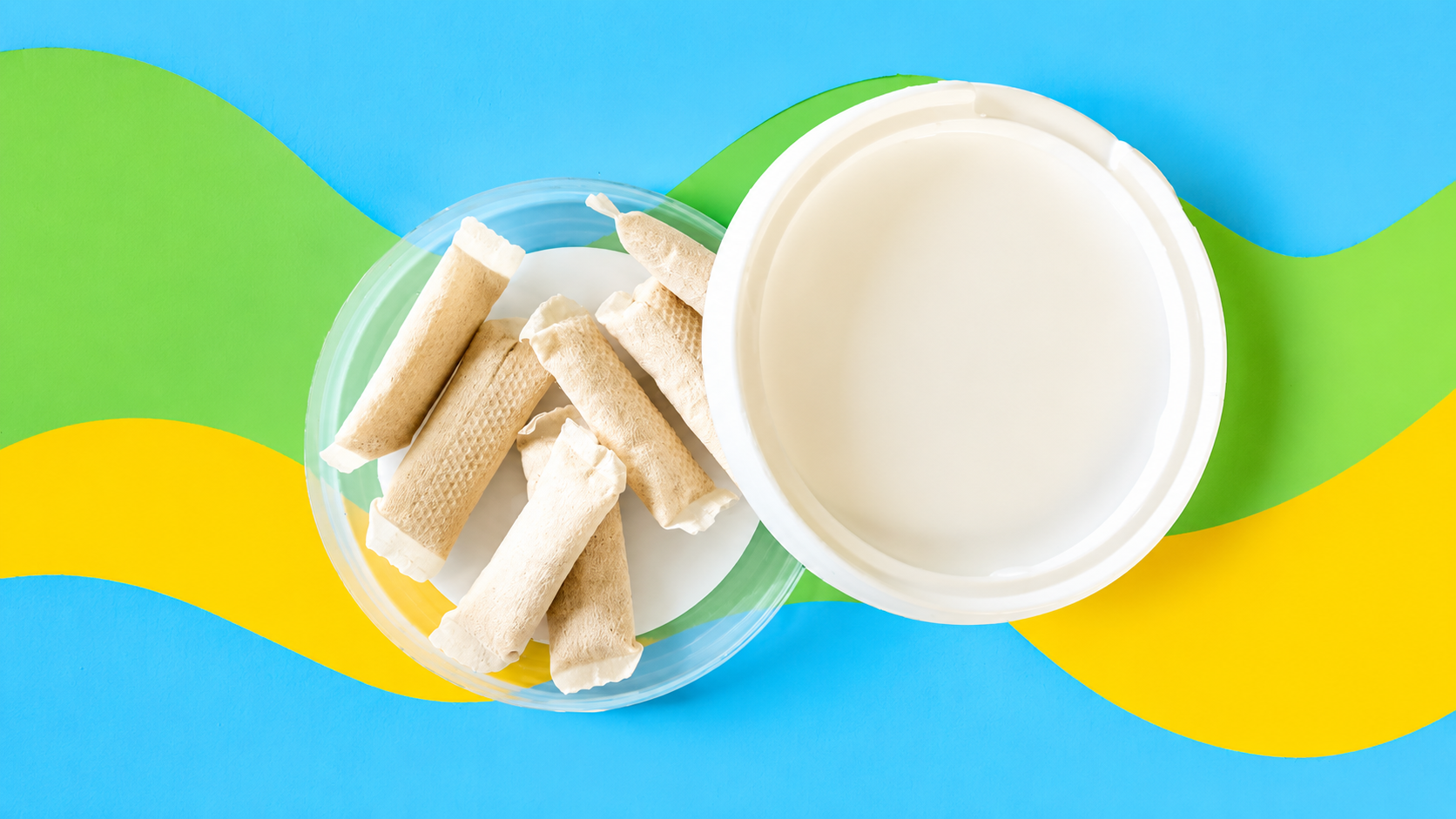
Caffeine pouches closely resemble nicotine pouches in appearance and use. Small flavored packets containing powdered caffeine and stimulant blends are placed between the lip and gum, where the caffeine is absorbed through oral tissues. Most products are marketed as nicotine-free and tobacco-free alternatives for people seeking alertness, focus, or an energy lift without smoking or vaping.
The category has expanded rapidly as consumers increasingly seek smoke-free stimulant products. Some users turn to caffeine pouches during long work shifts, workouts, travel, overnight driving, gaming sessions, or periods of fatigue. Others use them as part of an attempt to reduce or replace nicotine habits while maintaining the oral routine associated with traditional pouches.
Unlike nicotine products, caffeine pouches currently exist in a much lighter regulatory environment in the United States. Nicotine pouches fall under federal tobacco regulations and strict age restrictions. Caffeine products, however, are generally regulated more like dietary supplements or food products, depending on their ingredients and marketing claims. As a result, caffeine pouches are widely available online and in convenience stores, vape shops, truck stops, and supplement retailers.
Manufacturers now produce caffeine pouches in flavors ranging from mint and citrus to coffee and fruit blends. Most contain between 20 and 100 milligrams of caffeine per pouch. For comparison, an average cup of coffee typically contains between 80 and 100 milligrams of caffeine.
Health experts continue studying the long-term safety of these newer stimulant delivery methods. Moderate caffeine intake is generally considered safe for most healthy adults when consumed responsibly. Federal health agencies have long stated that moderate caffeine consumption can temporarily improve alertness, concentration, and reaction time. However, concentrated caffeine products can also present risks when used excessively or combined with other stimulants.
Side effects associated with high caffeine intake may include increased heart rate, anxiety, jitteriness, elevated blood pressure, headaches, dehydration, digestive discomfort, sleep disruption, and dependency. Because caffeine pouches can deliver stimulant effects rapidly and discreetly, some users may unintentionally consume higher amounts throughout the day than they would through traditional beverages.
Medical professionals also caution that caffeine sensitivity varies widely between individuals. Factors including age, body weight, medications, heart conditions, anxiety disorders, sleep habits, and overall health can significantly affect how the body reacts to stimulant products.
Beyond pouches, the broader caffeine supplement industry continues expanding. Energy gummies, powdered pre-workout formulas, caffeine capsules, caffeinated chewing gum, and concentrated liquid shots have become especially popular among athletes, students, and shift workers. Many of these products are marketed as cleaner or lower-calorie alternatives to sugary energy drinks, though experts warn that “healthier” branding does not necessarily eliminate stimulant-related risks.
The comparison between caffeine and nicotine products has also become part of a larger public discussion. While caffeine and nicotine are both stimulants, nicotine carries significantly greater addiction risks and is closely tied to cardiovascular disease, lung disease, and tobacco-related illnesses. Some former smokers and former nicotine pouch users view caffeine pouches as a less harmful substitute because they contain no tobacco or nicotine.
Public health experts, however, warn that replacing one dependency with another may still create problems if stimulant use becomes excessive or habitual. Researchers are also monitoring how flavored pouch products may appeal to teenagers and younger consumers, especially as packaging and marketing often resemble nicotine products already popular among young adults.
As the market grows, regulators and health agencies are expected to pay closer attention to caffeine pouch manufacturing standards, labeling practices, age restrictions, and marketing claims. For now, caffeine pouches remain legal and widely available throughout the United States, sitting at the intersection of the booming wellness, supplement, and alternative stimulant industries.
For consumers looking for a quick pick-me-up, the expanding world of caffeine supplements offers more choices than ever before. Health experts continue emphasizing moderation, careful label reading, and awareness of total daily caffeine intake as the safest approach when using any stimulant-based product.