




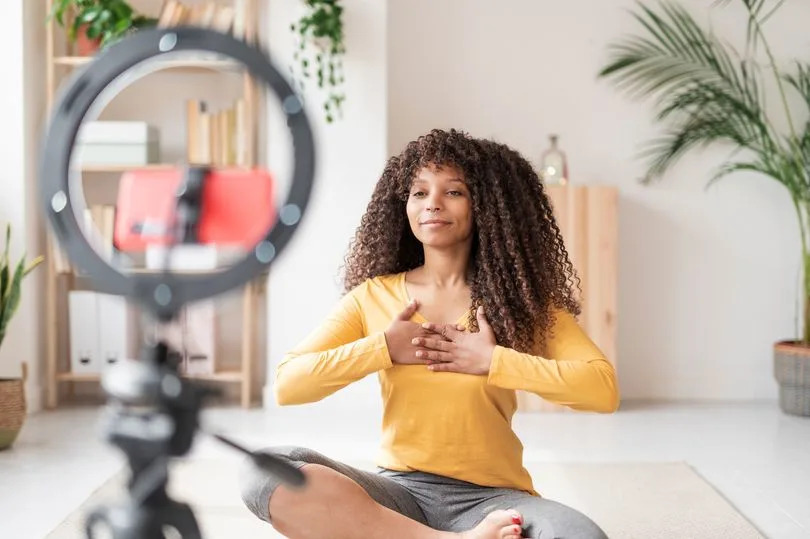
Half of U.S. adults under 50 are turning to “health and wellness influencers” on social media and podcasts for health advice, a new Pew Research Center study found.
The esteemed research center found that most Americans believe it is paramount to be healthy, but are struggling to navigate the overwhelming sea of information online for accurate health advice. Many respondents expressed frustration over the contradictory health information flooding the internet, and reported struggling to achieve their health goals.
To explain young adults’ shift in attitudes towards health professionals, Pew research analysts pointed to recent KFFpoll results. The KFF study found that federal health officials have increasingly lost the public’s trust following their handling of the COVID-19 pandemic.
• Hantavirus survivor describes her horrific ordeal with infection
• CDC response to Hantavirus sparks worry among disease experts as cases rise
According to the Pew study, the majority of U.S. adults are seeking health advice from legitimate health care providers. However, four-in-ten U.S. adults and half of those under 50 are relying on “health and wellness” influencers for information, which Pew found mostly have dubious qualifications.
Pew analyzed 6,828 health and wellness social media accounts across Instagram, TikTok and YouTube with at least 100,000 followers to get a grasp of the proclaimed experts’ expertise.
The study found that 41% of the influencers described themselves as healthcare professional on their profile, followed by 31% who identified as a “coach” and 28% as an “entrepreneur.” Many others, the study notes, highlighted their life experience or role as a parent or activist for their credentials.
To explain the concerning phenomenon, health information expert Rachel Moran explained how this new crop of proclaimed experts “are able to toe the line” and separate themselves from the medical “establishment.”
“They can claim professional health experience without being seen as part of the establishment,” she told The New York Times.

Americans have increasingly lost trust in public health officials following the COVID-19 pandemic, studies show -Credit:Getty Images
She explained that, especially for technology natives, there is comfort and ease offered in turning to social media and podcast influencers who feel like friends for advice.
However, she warned, “There are dangers to applying someone’s personal experience to your own life,” noting that many of these figureheads lack the professional requirements needed to give out medical advice.
In fact, about a fifth of the health and wellness influencers “gave no explanation for why they were qualified to post about health and wellness topics.” Yet, have garnered a massive following.
To combat the growing sea of health misinformation online, the American Medical Association started a podcast last month called “Health vs. Hype with the AMA,” welcoming board-certified physicians to discuss health trends and dissect “which health claims are real, which are risky, and which are backed by science.”
“’Health vs. Hype’ cuts through the noise—bringing people clear, evidence-based insights from physicians so they know what is clinically sound and what’s just clickbait,” said AMA CEO John Whyte.