

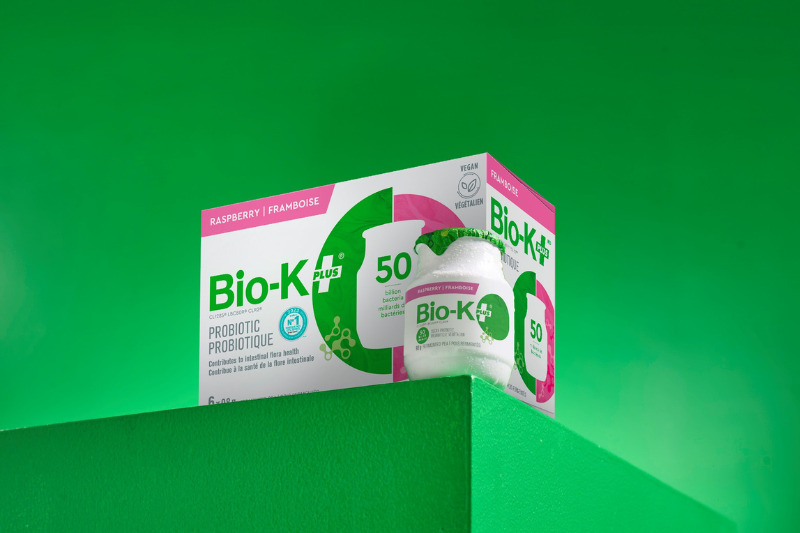
Probiotic specialist Bio-K has announced the findings from clinical research exploring the role of gut microbiome in children living with Autism Spectrum Disorder (ASD).
Initial findings indicate that daily consumption of a Bio-K+ probiotic drink by neurodivergent children was safe and well-tolerated.
Preliminary observations also suggested potential improvements in gastrointestinal (GI) symptoms, ASD-related behaviours and sleep patterns.
The study
The 30-week feasibility study included a 14-week supplementation period followed by a washout phase (a predefined, treatment-free interval that allows previous medication effects to dissipate and prevents “carryover” effects between treatments).
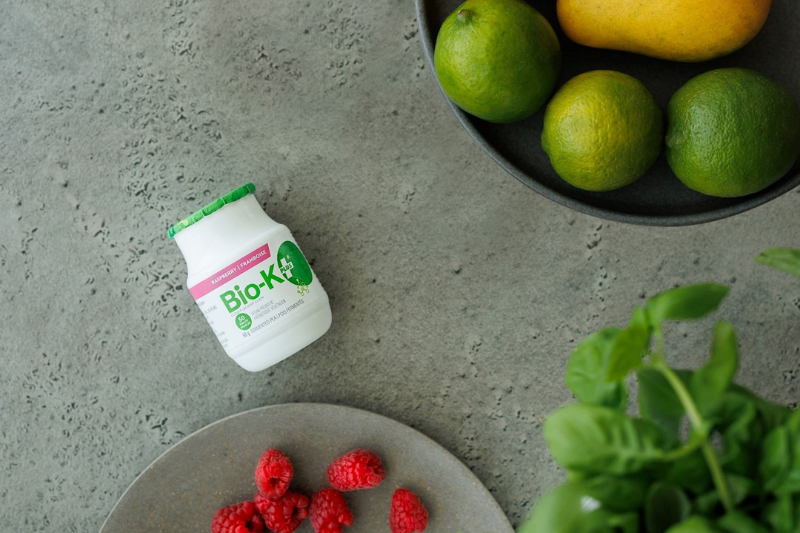
Participants consumed one daily serving of Bio-K+ probiotic.
Bio-K reported the following key observations:
a strong safety and tolerability profile, with no adverse events reported
high compliance among participants
preliminary improvements in GI symptoms, behavioural outcomes and sleep patterns
some observed improvements diminished after discontinuation, suggesting a potential link between ongoing microbiome support and sustained benefits
parents also reported positive changes in appetite, sleep and overall well-being.
 The company stated that while the results were encouraging, the research is only a pilot study that is designed to assess feasibility and generate preliminary insights.
It added that larger, placebo-controlled trials are also needed to confirm efficacy and confirmed one was already underway: a randomised, triple-blind, placebo-controlled study initiated earlier this year.
Supported financially by CIHR and Kerry, the trial will enrol more than 120 children to evaluate the impact of Bio-K+ on behaviours, GI symptoms, brain function, sleep profile, faecal microbiome, metabolome and blood chemistry in neurodivergent children.
“These findings contribute to an evolving understanding of the gut-brain connection and highlight the importance of continued research in this area,” said Dr Mathieu Millette, Scientific Director of Bio-K+.
Up to 80% of neurodivergent children diagnosed with ASD experience significant GI challenges, underscoring the importance of exploring the microbiome’s role in their quality of life.
“The emerging evidence around Bio-K+ is promising and may help guide future approaches to supporting these children and their families.”