



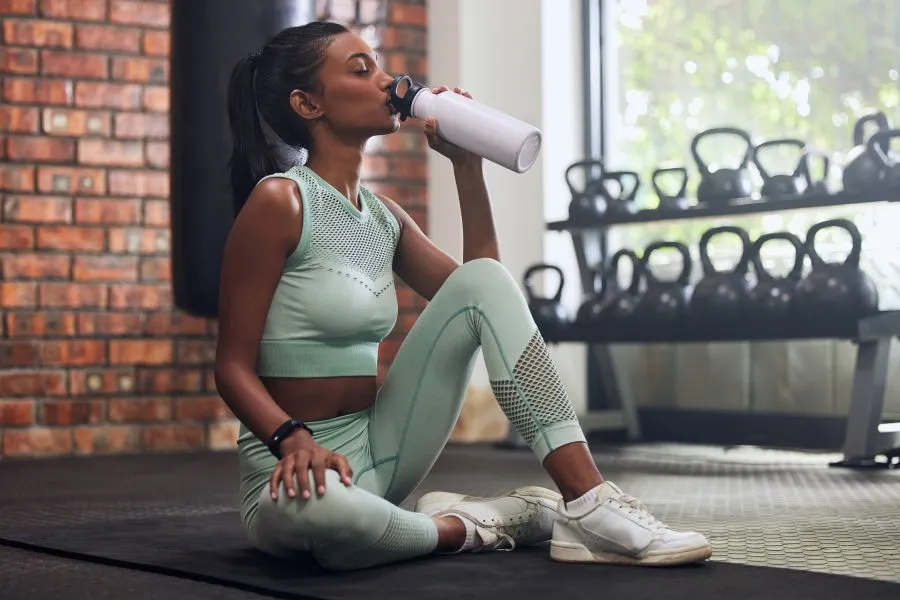
Gatorade, a Pepsi company, has introduced Body of Science — a multiyear research commitment to help close the science gap in women’s health. The research will be driven by the Gatorade Sports Science Institute (GSSI), with aims to provide knowledge on what the female body needs in terms of hydration and nutrition, inside and outside of sports.
Women have different nutritional needs at different life stages, including throughout the menstrual cycle, pregnancy, and menopause.
“In a world obsessed with women’s bodies, we know surprisingly little about them. Only 6% of global sports science research focuses exclusively on women. That critical knowledge gap leaves women without science-backed answers about what their bodies actually need. Decades of research have assumed women’s physiology mirrors men’s. The result is science designed for half the population and applied to all of it,” states Gatorade.

Nutrition Insight sits down with Dr. Kimberly Stein, senior principal scientist at the Gatorade Sports Science Institute, to discuss how the research will help women fulfill their hydration needs.
“To start, we’re establishing the foundational data that’s been missing in research, which is female sweat normative data from approximately 500 female athletes across multiple sports. That’s the jumping off point for all our female hydration research.”
“Second, we’re recognizing that women’s bodies change significantly across our lifespans. A 16-year-old female athlete has different hydration needs than a 35-year-old woman or someone navigating pregnancy or perimenopause. Instead of treating all women the same, we’re studying these different life stages so women can have hydration guidance tailored to where we actually are in our lives rather than a one-size-fits-all approach based on male physiology,” she adds.
The research initiative
The company stresses that 65 million women report feeling that dehydration negatively impacts their overall health, mood, and focus.
 Gatorade will study women’s hydration and nutrition needs across all life stages.Gatorade will study women’s hydration and nutrition needs across all life stages, including the menstrual cycle, pregnancy, and perimenopause — inside and outside of sports. The initiative will include thousands of women, and US-based women can participate through the GSSI app.
Stein highlights several critical areas the initiative will focus on, in addition to essential sweat normative data.
“For example, we’re testing whether showing female athletes live metabolic data of their bodies burning carbs for fuel is more effective than simply advising them to eat carbs — and whether that mindset shift actually translates to real changes in their fueling behavior.”
“But this isn’t just about sports science for us. We’re also asking what’s actually stopping women from hydrating — using the GSSI Labs app to understand the real barriers like daily routines, emotions, and habits that go beyond the science.”
Different life stages
Women’s physiology is dynamic, and it changes significantly across the lifespan due to hormonal fluctuations.
“The menstrual cycle affects hydration needs, sweat rates, and energy requirements. Then there’s pregnancy, which fundamentally alters metabolic demands and fluid needs. And perimenopause and menopause bring their own physiological shifts,” says Stein.
She explains that the initiative is using clinical studies to understand how hydration habits, thirst signals, and nutritional requirements change across different activity levels during these critical life moments.
“The important thing is that we’re studying not just elite athletes, but women across all walks of life, such as college students, working professionals, pregnant women, and women navigating menopause.”
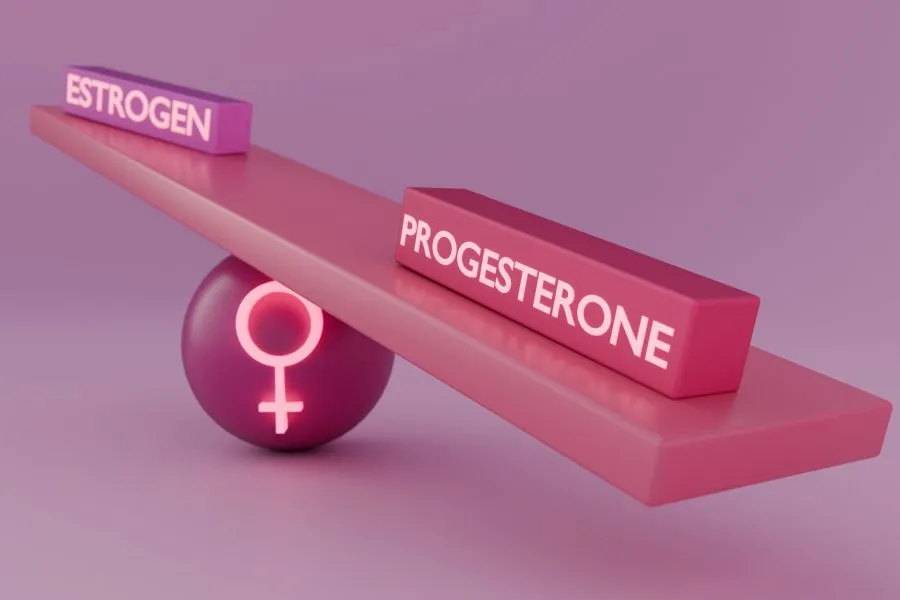 Stein explains that the complexities in women’s bodies are due to hormonal variations.Despite growing female involvement in fitness and competitive sport, a previous study found that nearly one in three women (31%) are missing out on sport during their menstrual cycle, with almost 80% of women having never received specific advice on how to fuel their bodies for exercise.
Stein explains that the complexities in women’s bodies are due to hormonal variation across their menstrual cycle, pregnancy, and menopause.
“That makes research design more intricate, but it also makes it essential. In the past, women were essentially treated as small men in some research. We have the scale and infrastructure at GSSI to conduct long-term studies that account for these biological realities.”
“Finally, there’s been a lack of baseline data. We’ve had to essentially start from scratch in some areas. But having already tested 500 female athletes on sweat rates shows that we have the commitment and capability to do this work at the scale it requires,” she concludes.
Nutrition Insight recently also spoke with an expert on how menstrual health can be optimized through nutrition, what nutrients and diet plans are suitable for each phase, the role of omegas in menstrual cramps, and the health benefits of prioritizing overall nutrition over pharmaceuticals to balance women’s monthly rhythms.